Modi Orders Indian Austerity as Iran War Strains Markets; USD Hits 182,400 Toman
دستور ریاضت اقتصادی مودی در هند همزمان با تداوم تنشهای ایران؛ دلار به ۱۸۲,۴۰۰ تومان رسید
Prime Minister Modi has urged Indians to halt gold purchases and foreign travel as the regional conflict drags on, while President Trump's rejection of peace terms has sent the Rial tumbling 3.2% against the dollar.
At time of publishing
USD
182,400
Toman
Gold 18K
20.86M
Toman / gram
Bitcoin
$81,730
US Dollar
Tether
18,157.5
Toman
Modi’s Austerity: India Braces for a Long War
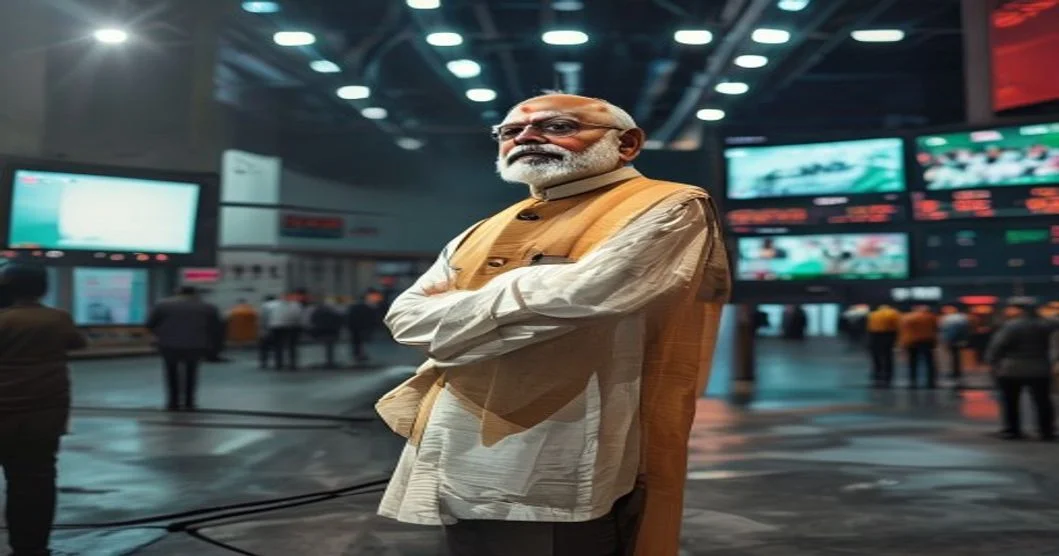
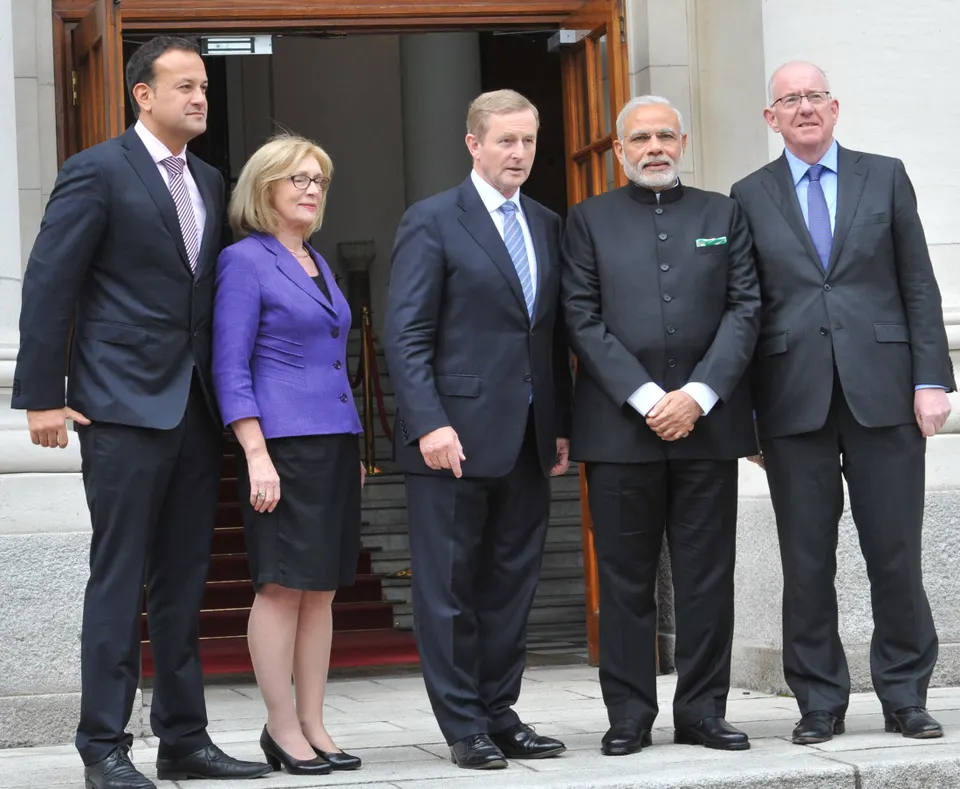
In a move that signals the deepening economic scars of the conflict in the Middle East, Indian Prime Minister Narendra Modi has made a direct appeal to his nation’s middle class, urging them to significantly reduce gold purchases and cancel non-essential foreign travel. This is not merely a symbolic request; it is a strategic attempt to protect India's foreign exchange reserves as the war in Iran continues to disrupt global energy supplies and inflate the cost of fuel. For a country that is the world's second-largest consumer of gold, such a shift in consumer behavior could have massive ripple effects on global bullion markets, which are already struggling with extreme volatility.
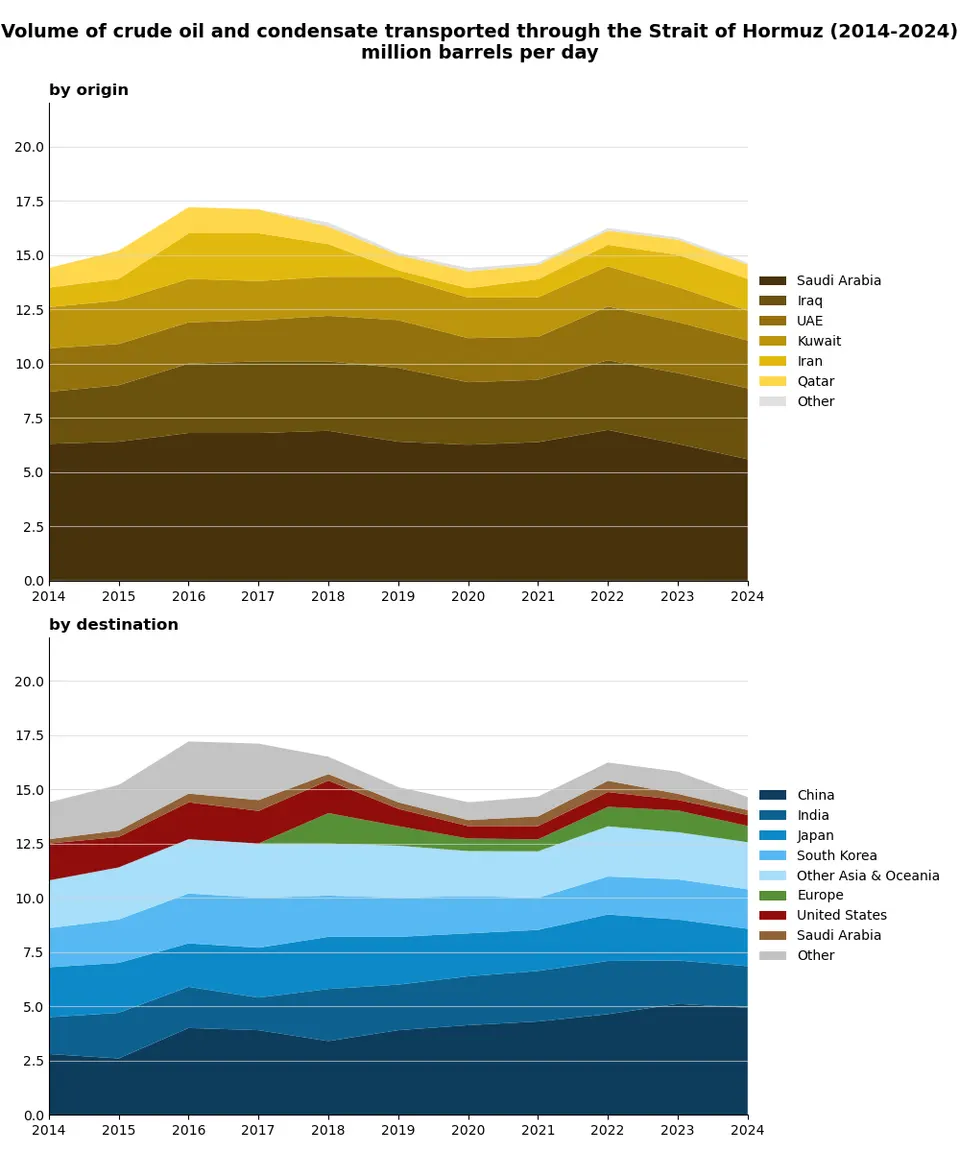
For Iranian observers, this development is a stark indicator of how the regional standoff is viewed by major trading partners. India has historically maintained a delicate balancing act with Tehran, but the current economic strain—driven by soaring shipping costs and the risk of a total blockade in the Strait of Hormuz—is forcing New Delhi to prioritize domestic stability over traditional trade ties. The call for 'sacrifice' suggests that the Indian government is preparing for a long-term disruption rather than a quick resolution, a sentiment that is mirrored in the rising prices of safe-haven assets across the globe.
Trump Rejects Peace Terms as Tensions Flare
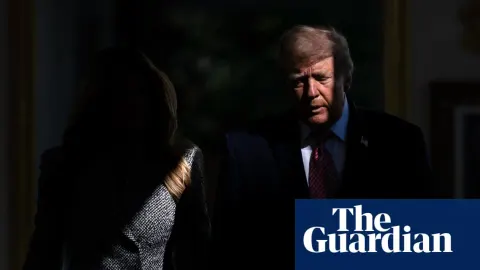
The prospect of a diplomatic breakthrough vanished today after U.S. President Donald Trump characterized a 14-point peace proposal from Tehran as "garbage" and "totally unacceptable." This blunt dismissal has effectively placed the temporary truce on life support, leading to an immediate reaction in the currency and energy markets. In Tehran, the USD rose from 176,800 to 181,321 on the buy side, with the sell rate hitting 182,400 Toman, marking a significant 3.2% depreciation of the Rial in just 24 hours. The market's reaction reflects a loss of confidence in a near-term de-escalation, as traders pivot back to a wartime footing.
This rejection has also sent oil prices on an upward trajectory, with Brent crude jumping over 1% to trade at $103.3 per barrel. The White House's refusal to entertain the current terms of the memorandum suggests that the U.S. administration is doubling down on its maximum pressure campaign, even as global energy hubs warn of a looming long-term crisis. For the average Iranian, this translates to immediate inflationary pressure; Gold 18k per gram jumped from 20,112,424 to 20,858,765 Toman (+3.7%), while the Emami coin surged 2.8% to reach the 200 million Toman milestone.
Energy Realignment: India Rejects Russian LNG
Compounding the regional energy crisis, India has officially declined Russia's offer to sell liquefied natural gas (LNG) from projects currently under U.S. sanctions. This decision, following reports of a sanctioned tanker heading toward Indian ports, highlights the immense pressure Washington is exerting on its allies to isolate sanctioned energy flows. While India needs energy to fuel its growing economy, the risk of secondary sanctions in the current geopolitical climate has proven too high, forcing New Delhi to look elsewhere for its energy security needs. This move narrows the options for sanctioned producers and tightens the global supply of gas at a critical juncture.
Meanwhile, within Iran, the head of the Atomic Energy Organization (AEOI) has informed parliament that all necessary safeguards are in place to protect nuclear facilities. He reiterated that uranium enrichment remains "non-negotiable," a stance that further complicates any potential for the peace deal that President Trump just rejected. The combination of rigid diplomatic stances and a shifting energy landscape suggests that the current stalemate is hardening into a permanent feature of the 2026 global economy, leaving little room for a return to market normalcy.
Human Rights and Regional Instability
Away from the trading floors, the human cost of the current climate continues to mount. Narges Mohammadi, the jailed Iranian Nobel Peace Prize winner, was recently transferred to a Tehran hospital following a health collapse in prison. Her deteriorating condition adds a layer of international scrutiny and diplomatic tension to an already volatile situation. For the global community, her treatment remains a benchmark for human rights in Iran, often serving as a catalyst for further sanctions or diplomatic isolation that indirectly influences market sentiment and the perceived risk of doing business in the region.
Further afield, the instability is not confined to the Middle East. In West Africa, dozens of Nigerian fishermen are feared dead following Chad air strikes targeting Boko Haram militants. While geographically distant, these events contribute to a broader global narrative of instability that dampens investor appetite for emerging markets and keeps the focus on safe-haven assets like Bitcoin, which currently holds steady at $81,730. When combined with the energy crisis and failed peace bids, these disparate events paint a picture of a world in high-stakes transition, where traditional economic models are being tested by persistent conflict.

Frequently Asked Questions
Why is India asking citizens to stop buying gold?
What caused the 3.2% jump in the USD/IRR rate today?
How is the energy crisis affecting global trade routes?
Understanding Currency Depreciation: The Toman's Plunge
The headline's stark mention of the USD hitting 182,400 Toman immediately brings to light the critical economic concept of currency depreciation. This occurs when the value of one country's currency falls relative to another currency, making foreign goods and services more expensive for domestic consumers and businesses. In simpler terms, it means you need to exchange significantly more local currency to acquire the same amount of a foreign currency, like the US dollar. Such a dramatic shift, as seen with the Iranian Toman, is a clear indicator of severe economic stress within a nation.
Currency depreciation can stem from a variety of factors, often exacerbated by geopolitical instability or internal economic challenges. Key drivers include high inflation, which erodes the purchasing power of the domestic currency; a large current account deficit, meaning a country imports more than it exports; and a loss of investor confidence, leading to capital flight. In the context of the headline, an 'Iran War' straining markets, coupled with potential sanctions and an 'energy crisis,' would severely undermine investor confidence and disrupt trade, creating immense pressure for the Toman to weaken against major currencies like the USD.
The consequences of significant currency depreciation are far-reaching. For individuals, it drastically reduces their purchasing power for imported goods, from food and medicine to technology, leading to higher domestic prices and a decline in living standards. For businesses, the cost of imported raw materials and machinery skyrockets, potentially stifling production and investment. This environment often prompts citizens to seek refuge in more stable assets, such as gold or foreign currencies, further driving up their local prices—a phenomenon hinted at by the mention of 'Emami coin price 200 million' and 'Modi gold austerity' (the latter being a government's attempt to manage its own gold reserves in times of economic strain or to curb import of gold).
Ultimately, a rapidly depreciating currency can trigger a vicious cycle of inflation, economic uncertainty, and social unrest. Governments and central banks often employ various monetary and fiscal policies to stabilize their currency, such as raising interest rates, implementing capital controls, or seeking international aid. However, in situations of extreme geopolitical pressure, these measures can be challenging to implement effectively, leaving the economy vulnerable to sustained instability.
Topics
Related Articles