France’s Farmer-Owned Retail Model Defies Iran War Inflation as US Conflict Costs Hit $29 Billion
مدل خردهفروشی کشاورزان فرانسه در برابر تورم جنگ ایران؛ هزینه ۲۹ میلیارد دلاری نبرد برای آمریکا
As the Pentagon reports a $29 billion bill for the Iran conflict, French farmers launch direct-to-consumer supermarkets to combat soaring fuel and fertilizer costs caused by the Hormuz blockade.
At time of publishing
USD
183,100
Toman
Gold 18K
20.75M
Toman / gram
Bitcoin
$80,642
US Dollar
Tether
18,058
Toman
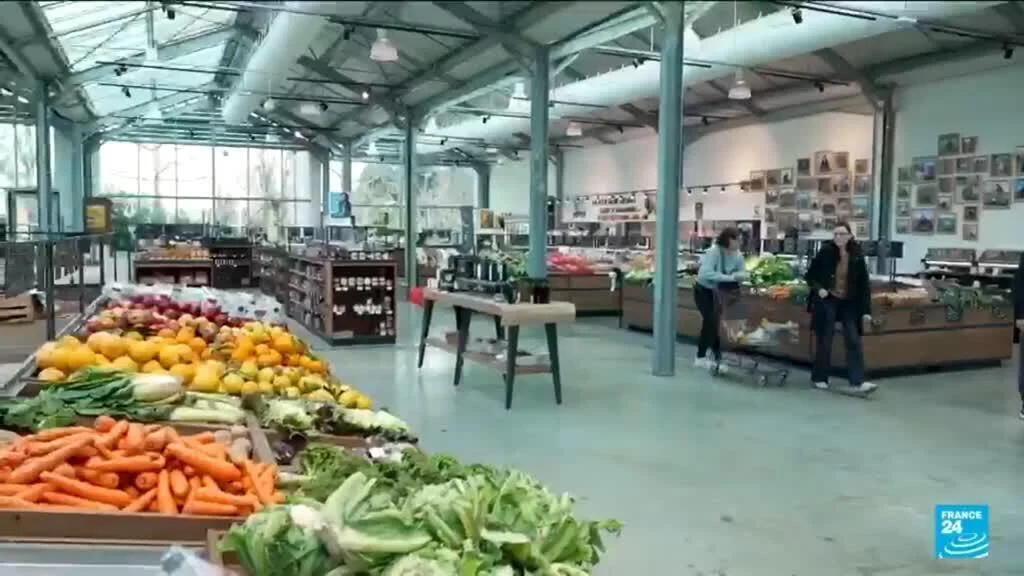
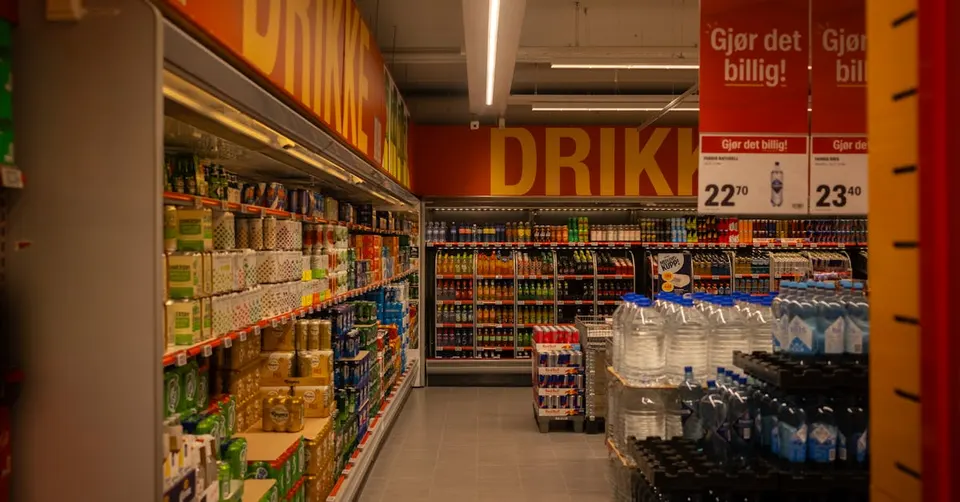
The conflict in the Middle East has reached a critical juncture where its economic ripples are felt from the local bazaars of Tehran to the rural supermarkets of southern France. As the blockade of the Strait of Hormuz continues to choke global supply chains, the cost of essential inputs like fuel and fertilizer has surged, prompting the French government to call for emergency dialogues between agricultural producers and retail giants. In a fascinating shift, French farmers have begun launching their own supermarkets to bypass traditional markups, providing a direct-to-consumer model that ensures better remuneration for producers while keeping food prices manageable for citizens struggling with war-induced inflation.
This localized response in Europe mirrors the broader economic strain seen within Iran. At 18:00 Tehran time, the US Dollar has moved from 181,800 to 183,100 Toman, marking a 0.7% increase in the last 24 hours. While the French seek structural changes in retail to survive the crisis, Iranian traders are navigating a volatile currency environment where the cost of imports is directly tied to the naval standoff in the Persian Gulf. The "Strait of Hormuz factor" is no longer just a geopolitical talking point; it is a direct driver of the price of bread in Marseille and the price of electronics in Tehran.
The Financial Toll of War and the Hormuz Standoff
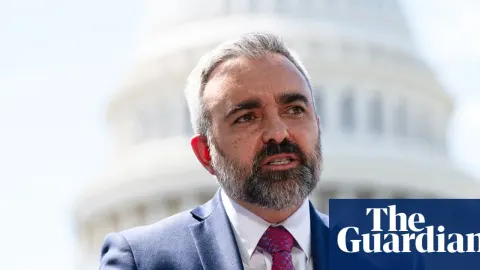
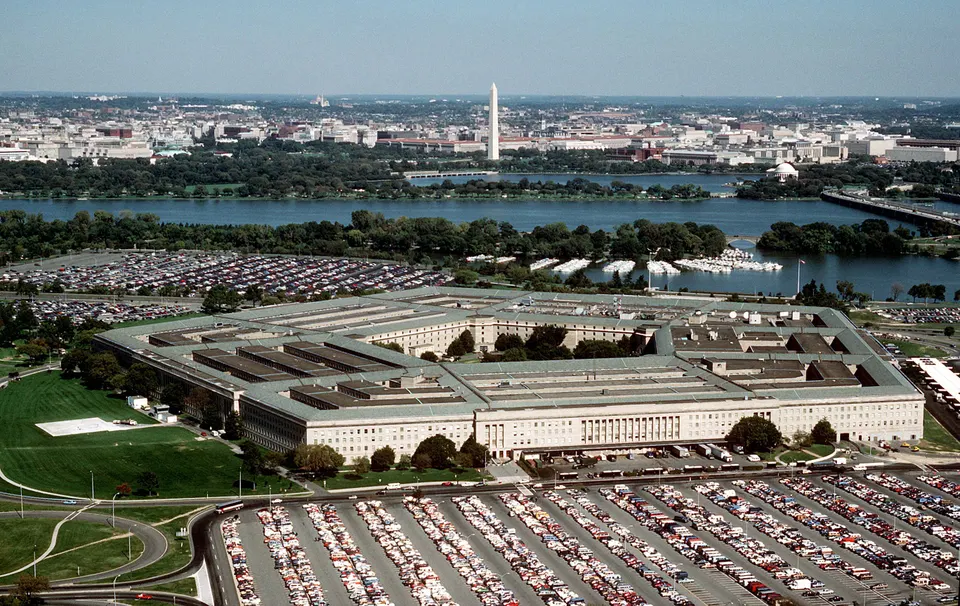
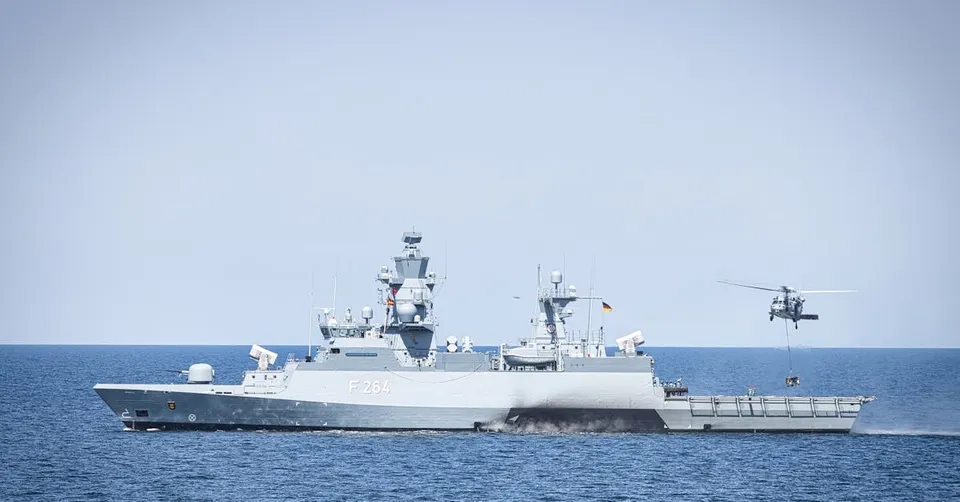
The financial toll of the ongoing military operations is becoming staggering. The Pentagon recently revealed to the US House of Representatives that the war against Iran has already cost approximately $29 billion. This admission comes as the Islamic Revolutionary Guard Corps (IRGC) Navy significantly expands its operational definitions. Mohammad Akbarzadeh, a senior IRGC official, stated that the Strait of Hormuz is now viewed as a "vast operational area" rather than a narrow waterway. This expansionist military posture has forced major energy exporters like Qatar to take drastic measures, including instructing LNG vessels to "go dark" by switching off transponders to avoid becoming targets in the escalating maritime conflict.
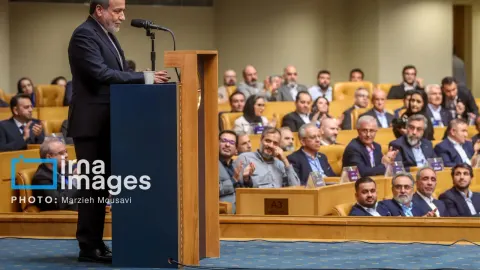
Amidst this tension, a flicker of diplomacy emerged as Iranian and Omani delegations met to discuss shipping safety. Oman has traditionally served as a mediator, and these talks represent a desperate attempt to prevent a total collapse of maritime order. However, the stakes remain high as the de facto closure of the Strait has trapped nearly 20% of global LNG flows. For the average investor, this translates to extreme volatility; while the price of Gold 18k remained stable at 20,751,881 Toman per gram, the Emami coin saw a sharp decline of 1.8%, dropping from 200,000,000 to 196,500,000 Toman, reflecting a shift in domestic liquidity and risk sentiment.
Geopolitical Shifts: Putin’s Gain and UK Turmoil
While the West grapples with the costs of war and political instability, Russia appears to be finding strategic advantages in the chaos. Despite the long-term drain of the Ukraine conflict, analysts suggest that President Putin's credibility is being bolstered by the current crisis. Russia is benefiting from the "costly energy" environment created by the Iran war, using a narrative of American failure to achieve a swift victory to strengthen its influence among non-aligned nations. The high price of oil and gas provides Moscow with a financial lifeline that offsets Western sanctions, effectively turning the Middle Eastern crisis into a geopolitical asset for the Kremlin.
In contrast, the United Kingdom is facing a domestic political meltdown. Prime Minister Keir Starmer is fighting a multi-front battle as junior ministers resign in protest of disastrous local election results. The uncertainty has already rattled bond markets, causing UK borrowing costs to jump. Adding to the sense of a changing guard, Wales has officially ended a century of Labour Party dominance by electing Plaid Cymru’s Rhun ap Iorwerth as First Minister. This internal fracture within a key Western ally further complicates the unified front the US is attempting to build against Iran, proving that the war's consequences are as much about internal political survival as they are about regional control.
Market Dynamics: Bitcoin and AI Pivot
The digital asset market is not immune to these shifts, as Bitcoin edges lower to $80,642. The slight decline follows a "hot" US inflation report and persistent jitters over the Iran conflict. Large-scale movements are also at play; MARA Holdings, a major crypto mining firm, has reportedly sold $1.5 billion worth of Bitcoin to fund its aggressive expansion into AI data centers. This move highlights a growing trend where traditional crypto powerhouses are pivoting capital toward artificial intelligence, viewing it as a more stable long-term bet amidst the geopolitical volatility that currently plagues the cryptocurrency market.
For Iranian crypto enthusiasts, the USDT rate remains a vital benchmark, currently sitting at 18,058 Toman. The combination of North Korean hackers "industrializing" crypto theft—stealing over $2 billion in 2025—and the recent collapse of memecoins like the Roaring Kitty-linked RKC serves as a reminder of the inherent risks in the space. As global markets wait for the next move in the Hormuz standoff, the flight to quality is evident, though "quality" is being redefined by the hour in a world where energy, AI, and hard currency are the only certainties.
Watch
Farmer-owned supermarket sets example for better remuneration model • FRANCE 24 English
FRANCE 24 English
Frequently Asked Questions
Why has the cost of the Iran war reached $29 billion according to the Pentagon?
How is the Strait of Hormuz blockade affecting food prices in Europe?
Why did the price of Emami coins drop while the US Dollar rose in Tehran?
What does the 'dark' shipping in Qatar mean for global energy?
Topics
Related Articles