Iran Warns of 90% Enrichment as Hormuz Blockade Chokes Global Supply Chains
هشدار ایران درباره غنیسازی ۹۰ درصدی همزمان با بحران زنجیره تأمین در تنگه هرمز
Tensions reach a boiling point as Iranian lawmakers warn of weapons-grade uranium enrichment if attacked, while the ongoing Hormuz blockade forces global giants like Japan's Calbee to alter products due to chemical shortages. In Tehran, the USD rose to 183,400 Toman as markets react to the escalating rhetoric.
At time of publishing
USD
183,400
Toman
Gold 18K
20.87M
Toman / gram
Bitcoin
$80,829
US Dollar
Tether
18,200
Toman
Nuclear Brinkmanship and the Currency Response
The geopolitical landscape in the Middle East has shifted into a higher gear of volatility this Tuesday. Ebrahim Rezaei, a senior Iranian lawmaker, has publicly warned that Tehran could pivot its nuclear program toward 90% uranium enrichment—the threshold for weapons-grade material—should the country face a military strike. This rhetoric comes at a critical juncture as the international community monitors Iran's existing stockpile of 60% enriched uranium, which experts suggest is only a short technical step away from the 90% mark. The statement appears to be a direct response to the aggressive posturing from the Trump administration, which has made preventing a nuclear-armed Iran a cornerstone of its regional strategy.
Domestic markets in Iran have responded with immediate sensitivity to these developments. The US Dollar (USD) moved from 181,800 to 183,400 Toman, marking a 0.9% increase within the last 24 hours. This uptick reflects a growing risk premium being priced into the currency as traders anticipate further sanctions or potential kinetic escalations. While Gold 18k followed suit, rising from 20,757,883 to 20,870,077 Toman (+0.5%), the Emami coin showed a slight correction, dipping from 200,000,000 to 199,000,000 Toman (-0.5%). This divergence suggests that while the broader trend remains inflationary, some high-value assets are seeing localized profit-taking or liquidity shifts.

The Hormuz Ripple Effect: From Petrochemicals to Snacks
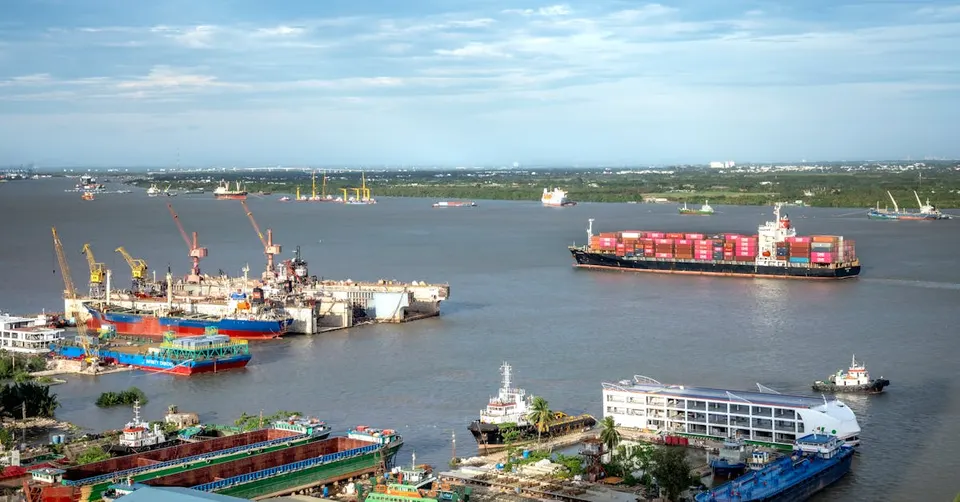
The effective closure of the Strait of Hormuz is no longer just a headline for energy traders; it is now visibly altering the global consumer landscape. In a striking example of the blockade's reach, a major Japanese snack manufacturer, Calbee, has announced it will switch to black-and-white packaging for its products. This decision stems from a critical shortage of specialized inks, which rely on petrochemical precursors that are currently trapped behind the maritime blockade. The disruption highlights how deeply integrated the Persian Gulf's exports are with the global manufacturing supply chain, affecting sectors far beyond the traditional oil and gas industry.
Simultaneously, the economic fallout is being felt across Asia's industrial hubs. Independent 'teapot' refiners in China have been forced to slash their production rates to near 50%, down from 55% just a month ago, as the cost of securing crude through alternative routes crushes their profit margins. This supply-side pressure is compounded by warnings from former World Bank officials, such as David Malpass, who have urged Beijing to stop hoarding food and fertilizers. The accumulation of these essential commodities by China suggests a long-term preparation for a fractured global trade environment, further signaling that the current maritime crisis may not have a swift resolution.
Global Resource Shifts and Legal Precedents
While the Middle East dominates the news cycle, a landmark legal decision in Australia is setting a new precedent for the global mining industry. The Federal Court has ordered mining giant Fortescue to pay a record $150 million in compensation to the Yindjibarndi traditional owners for cultural and social harm caused by the Solomon Hub iron ore mine. This payout is the largest of its kind in native title history and marks a significant shift in how resource extraction companies must account for heritage and indigenous rights. For global investors, this signals an era of increased ESG (Environmental, Social, and Governance) liabilities that could affect the valuation of major mining projects worldwide.
---
In the tech and security sector, Binance has reported a significant victory in the ongoing war against digital fraud. The exchange claimed its AI-powered security protocols have thwarted over $10 billion in potential losses since 2025, blacklisting tens of thousands of malicious addresses. This development comes as crypto markets remain relatively resilient despite the geopolitical chaos, with Bitcoin (BTC) holding at $80,829. The integration of AI into financial security is becoming the standard defense mechanism as criminal networks become more sophisticated in their attempts to exploit the decentralized finance ecosystem.

Frequently Asked Questions
Why is the USD/IRR rising despite the gold coin price falling?
What is the technical significance of 90% uranium enrichment?
How does the Strait of Hormuz blockade affect non-energy products like snacks?
What does the Fortescue payout mean for global mining stocks?
Understanding Maritime Choke Points and Global Energy Security
The news headline touches upon a critical concept in international trade and geopolitics: Maritime Choke Points. These are narrow sea channels or passages that are strategically important for global shipping, especially for the transport of energy resources like oil and natural gas. Their geographical constraints mean that a significant volume of global trade must pass through a relatively small area, making them vulnerable to disruption.
The most prominent example from the headline is the Strait of Hormuz. Located between Iran and Oman, it is the sole sea passage from the Persian Gulf to the open ocean. An astounding one-fifth of the world's total oil consumption and a substantial portion of global liquefied natural gas (LNG) pass through this strait daily. Its narrowness – just 21 miles (33 km) at its narrowest point – combined with the immense volume of traffic, makes it an indispensable yet highly vulnerable artery for the global energy supply.
Any threat to block or disrupt traffic in the Strait of Hormuz, as implied by Iran's warning, immediately sends ripples through global energy markets. Such a blockade would lead to sharp spikes in oil and gas prices, significant delays in shipments, and potentially severe shortages in energy-dependent economies worldwide. Beyond the immediate economic impact, it escalates geopolitical tensions, forcing nations to consider military and diplomatic responses to ensure the free flow of trade. Understanding maritime choke points like Hormuz is crucial for comprehending the fragility of global supply chains and the intricate link between geography, energy, and international security.
Topics
Related Articles