Pentagon Revises Iran War Bill to $29B as US Political Tensions Boil Over Hakeem Jeffries Comments
افزایش هزینه جنگ با ایران به ۲۹ میلیارد دلار در پنتاگون؛ تنشهای نژادی در واشینگتن بالا گرفت
The Pentagon has admitted the two-month cost of the conflict with Iran has surged to $29 billion, while US domestic politics fracture over racially charged remarks. Meanwhile, global markets struggle with a three-year inflation peak and a persistent energy crisis.
At time of publishing
USD
180,800
Toman
Gold 18K
20.38M
Toman / gram
Bitcoin
$80,217
US Dollar
Tether
18,050.1
Toman
The Soaring Cost of Conflict and Political Fracture
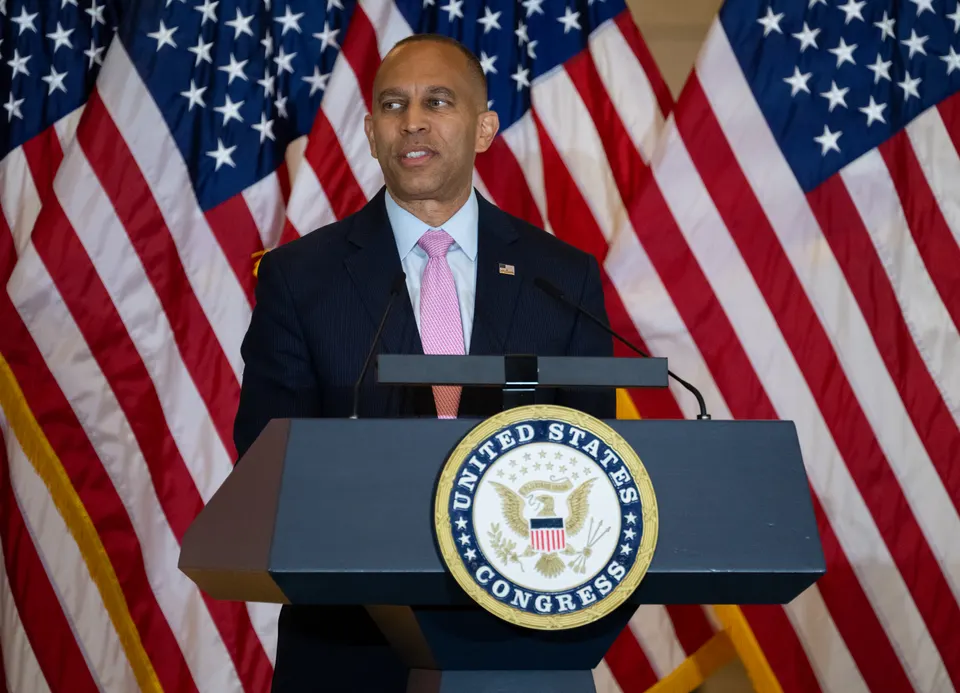
The American political landscape is fracturing just as the financial toll of the regional conflict becomes clearer. Republican Congresswoman Jen Kiggans is facing intense pressure to resign after appearing to agree with a radio host’s racially charged comments regarding House Minority Leader Hakeem Jeffries. While Kiggans claims she was merely suggesting Jeffries stay out of Virginia politics, the backlash has become a lightning rod for broader tensions in Washington. This domestic friction comes at a precarious time as the Biden administration and Republican challengers spar over the future of American involvement in the Middle East, with Donald Trump recently describing current ceasefire proposals as being on "life support."
More critically for global observers, the Pentagon has revised its estimate for the cost of the ongoing operations involving Iran. Initially pegged at $25 billion for roughly two months of spending, Jules Hurst III, the Pentagon’s chief financial official, admitted today that internal estimates have surged to nearly $29 billion. This massive expenditure is beginning to weigh heavily on US fiscal policy, with debates intensifying over how long such a burn rate can be sustained without triggering a deeper domestic economic crisis. For Iranian readers, this indicates a US military posture that is becoming increasingly expensive and politically contentious, which may eventually force a shift in strategic priorities or negotiation leverage.
Market Meltdown: Inflation Hits 3-Year High
Global markets are currently processing a toxic cocktail of high inflation and energy supply shocks. The latest US Consumer Price Index (CPI) report shows inflation hitting a three-year high in April, a direct consequence of the ongoing regional instability and the disruption of global trade routes. In Tehran, the currency market saw a slight cooling today, with the USD moving from 181,800 to 180,800 Toman, a decrease of 0.6%. However, the broader economic outlook remains grim as the cost-of-living adjustment (COLA) for US Social Security is now projected to rise significantly in 2027 due to surging energy and grocery prices—a ripple effect that will inevitably influence global USD liquidity and interest rate expectations.
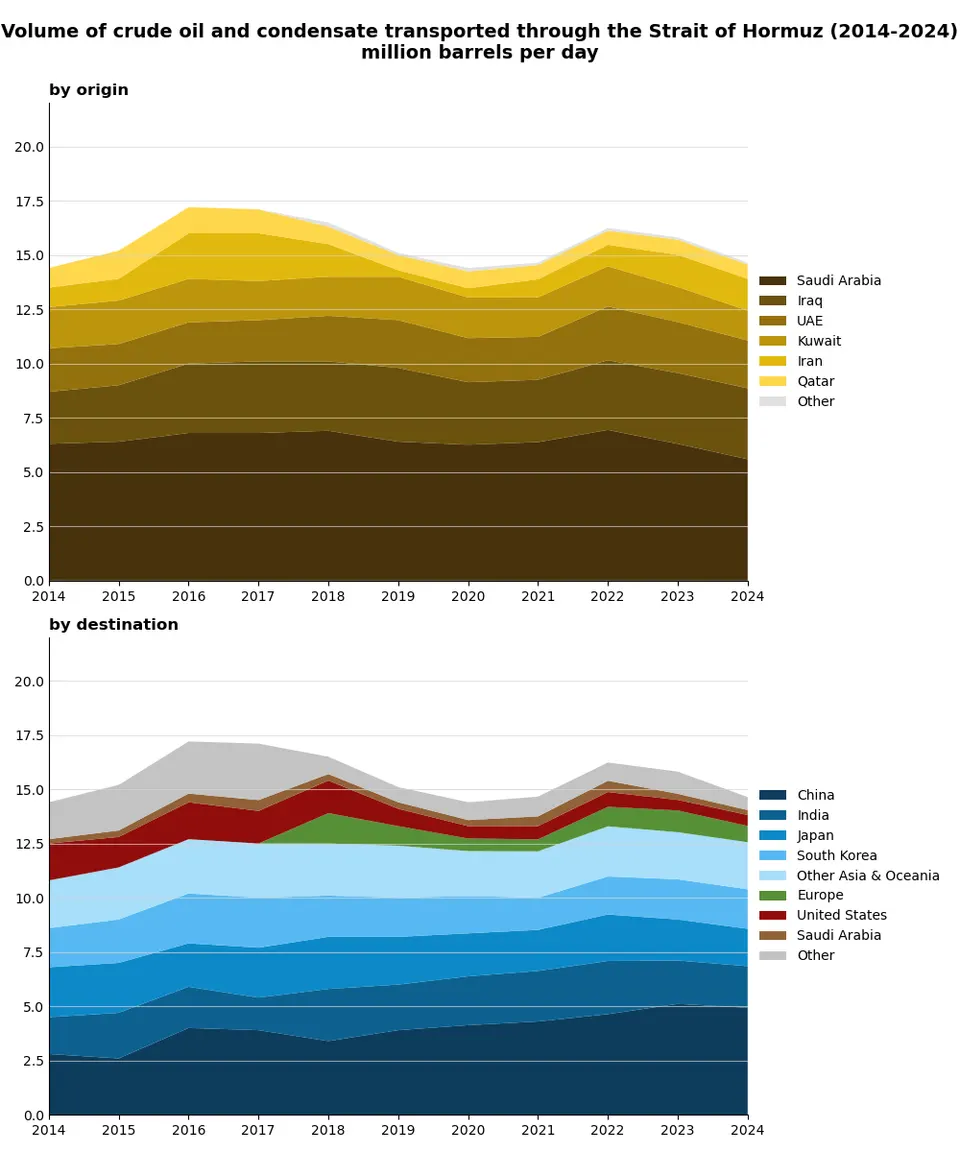
The energy sector is bearing the brunt of the Strait of Hormuz blockade. With no Qatari LNG shipments passing through the chokepoint for months until very recently, major importers like Japan and South Korea are being forced back toward coal power generation. This regression in green energy goals underscores the desperation of global powers to secure any form of energy as oil prices flirt with the $100 mark. Gold prices in Iran also reflected this volatility, with 18k gold dropping from 20,757,883 to 20,376,056 Toman (-1.8%), suggesting a momentary liquidity grab as investors reposition for a long-term inflationary environment driven by high energy costs.
Regional Justice and the Information War
On the legal and narrative front, the conflict is entering a new phase of institutionalization. Israel’s parliament has officially passed a law establishing a special military tribunal for those involved in the October 7 attacks. This move, which includes the possibility of the death penalty, is being framed by Israeli lawmakers as a necessary step for national healing, though it has drawn sharp criticism from international human rights groups. These groups warn that the measure bypasses standard fair-trial protections, potentially setting a precedent for military-led justice that could further inflame regional tensions and complicate future prisoner exchange negotiations.

Simultaneously, the information war continues to produce bizarre distractions that mask the gravity of the situation. Recent viral images claiming to show Iranian "kamikaze dolphin drones" have been thoroughly debunked as AI-generated fabrications. While the idea of weaponized marine life sounds like science fiction, the speed at which these images spread highlights the heightened state of paranoia and the sophisticated use of generative AI to manipulate public perception. This phenomenon aligns with warnings from former media executives about the rise of "creator journalism," where personality-led content and unverified viral hits are increasingly replacing traditional, verified news reporting, making it harder for the public to discern fact from wartime propaganda.
Frequently Asked Questions
Why did the Pentagon increase its Iran war cost estimate to $29 billion?
How is the US inflation rate affecting the Iranian Toman?
What is the significance of the 'kamikaze dolphin drone' story?
Why are Japan and South Korea turning back to coal power?
The Geopolitical and Economic Significance of the Strait of Hormuz
The Strait of Hormuz is not just a body of water; it's a critical geopolitical choke point, a narrow maritime passage connecting the Persian Gulf to the open ocean (the Gulf of Oman and Arabian Sea). Its strategic importance stems from its geography: at its narrowest point, it is only about 21 miles (33 kilometers) wide, with shipping lanes just two miles (three kilometers) in either direction. This seemingly small waterway is the sole maritime outlet for the vast oil and natural gas reserves of countries like Saudi Arabia, Iran, Iraq, Kuwait, Qatar, and the UAE. Understanding its role is crucial for grasping the economic and security implications of any regional tension.
Economically, the Strait of Hormuz is unparalleled. It is the world's most important oil transit choke point, through which approximately one-fifth of global petroleum liquids and roughly a quarter of the world's liquefied natural gas (LNG) pass daily. Tankers carrying crude oil and refined petroleum products destined for major economies in Asia, Europe, and North America navigate these waters constantly. Any disruption, even a minor one, can send shockwaves through global energy markets, leading to immediate spikes in oil prices and creating significant economic instability worldwide.
The concept of a "blockade" or major disruption in the Strait of Hormuz is therefore a grave concern for international security and the global economy. Such an event, whether caused by military conflict, piracy, or political decree, would severely restrict the flow of energy, potentially triggering a global energy crisis. This could lead to widespread inflation, impact industrial production, and strain international relations as nations scramble to secure alternative, often more expensive, energy supplies. The strategic vulnerability of this waterway underscores why major global powers maintain a significant naval presence in the region and why any escalation of tensions is watched with extreme caution.
Topics
Related Articles