
Kuwait Foils IRGC Infiltration as Gulf Tensions Surge; US Bond Yields Hit 5% Amid War-Driven Inflation
خنثیسازی عملیات نفوذ در کویت و تنش در خلیج فارس؛ بازدهی اوراق قرضه آمریکا به ۵ درصد رسید
Kuwait has accused Iran's Revolutionary Guard of a failed infiltration attempt on Bubiyan Island, adding a fresh layer of risk to an already volatile Persian Gulf. Meanwhile, global markets are reeling as US Treasury yields hit 5%, driven by persistent inflation and the economic fallout of regional conflict.
At time of publishing
USD
180,700
Toman
Gold 18K
20.41M
Toman / gram
Bitcoin
$80,282
US Dollar
Tether
18,059.9
Toman
Gulf Tensions Escalate: The Bubiyan Island Infiltration
The geopolitical landscape of the Persian Gulf shifted dramatically this evening following reports from the Kuwaiti Interior Ministry regarding a failed infiltration attempt. According to official statements, Kuwaiti security forces engaged in a direct exchange of fire with a group of armed Iranians who arrived at Bubiyan Island aboard a rented fishing vessel. The Kuwaiti government has explicitly accused the Islamic Revolutionary Guard Corps (IRGC) of orchestrating the operation, leading to the arrest of four individuals. This incident marks a significant escalation in regional friction, coming at a time when the broader Middle East is already grappling with the economic and military fallout of ongoing conflicts.
For the Iranian reader, this development is more than just a border skirmish; it is a direct signal of heightened regional isolation that could weigh heavily on future diplomatic negotiations. Bubiyan Island is a strategic asset for Kuwait, and any perceived threat to its sovereignty by Iranian forces typically triggers a swift response from the Gulf Cooperation Council (GCC) and their international allies. While the USD/IRR exchange rate in Tehran saw a slight technical correction today, dropping from 181,800 to 180,700 (-0.6%), such security incidents often create a price floor, as they fuel fears of renewed sanctions or military retaliations that disrupt trade routes.

Global Markets Shaken as US Treasury Yields Hit 5%
Across the Atlantic, the economic consequences of the regional instability are manifesting in the heart of the global financial system. US Treasury yields have surged to the 5% mark, a level not seen in months, as investors dump government debt in response to stubbornly high inflation. The primary driver of this inflationary spike is the rising cost of energy, directly linked to the disruptions caused by the conflict involving Iran. As Brent crude nears the $110 mark, the cost of living for Americans is climbing, forcing the bond market to price in a 'higher-for-longer' interest rate environment that punishes traditional safe-haven assets.
This shift in the US bond market has profound implications for global liquidity. When US yields rise, they attract capital away from emerging markets and speculative assets like gold and crypto. In Tehran, we are already seeing the reflection of this global cooling; Gold 18k per gram fell by 1.7% to 20,414,146 Toman, while the Emami coin dropped by 1.5% to 197,000,000 Toman. Despite the geopolitical heat, the sheer gravity of US monetary tightening is currently acting as a counterweight, preventing a runaway rally in local hard assets for the time being.
---
The Battle for AI: Sam Altman Takes the Stand
In the technology sector, the high-stakes legal drama between OpenAI CEO Sam Altman and Elon Musk has reached a fever pitch in a California federal courtroom. Altman took the stand today to defend the company’s transition from a non-profit research lab to a commercial powerhouse—a move Musk alleges was a betrayal of OpenAI’s founding principles. The trial is uncovering internal documents and communications that reveal the intense personal and professional rivalries at the top of the AI industry. This isn't just a corporate dispute; it is a fundamental debate over whether the most powerful technology in human history should be open-source or proprietary.

For investors following the 'AI Bubble,' this trial serves as a reality check. While the 'Magnificent Seven' tech stocks have dominated the market for years, the legal and regulatory risks surrounding AI are becoming impossible to ignore. Market analysts are now pointing toward 'HALO' stocks—high capital-intensity, asset-heavy companies—as a necessary hedge against the volatility of the tech sector. These companies, which focus on physical infrastructure and proven revenue streams, offer a sanctuary for those worried that the AI-driven rally may have overextended itself in the face of rising global interest rates.
Market Realities: Gold and Currency Trends
The local Iranian market is currently navigating a period of paradoxical stability. Despite the news of the Bubiyan infiltration, the US Dollar in Tehran moved from 181,800 down to 180,700, a decrease of 0.6%. This suggests that the market had already priced in a high level of risk and is currently seeing a minor retracement as traders wait for a formal response from Tehran. However, the drop in gold prices is more pronounced, with the Emami coin losing 3 million Toman in value over the last 24 hours. This downward trend is a direct reflection of the global gold ounce price, which is struggling against the 5% yields offered by US Treasuries.
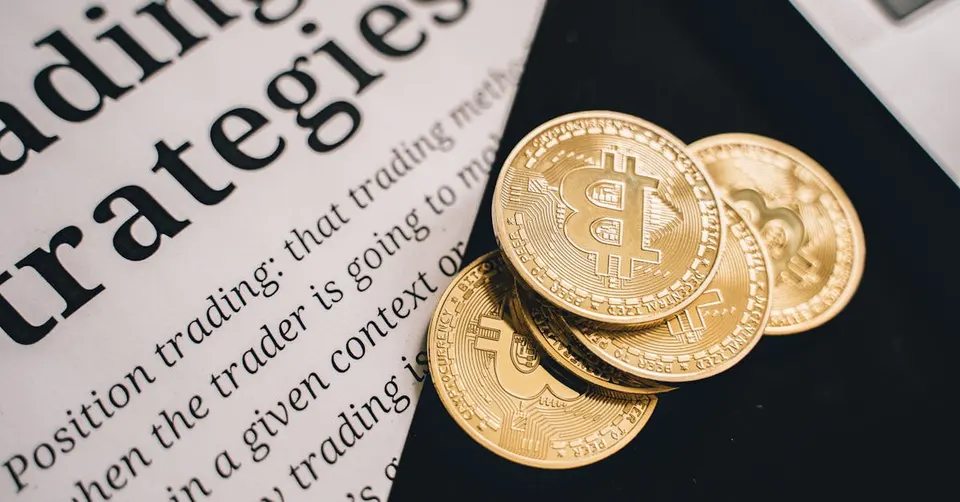
What this means for the average saver is a shift in strategy. The era of 'blind buying' into gold as a hedge against every news headline may be temporarily paused as global macro factors—specifically US inflation—take the driver's seat. If the conflict in the Gulf escalates further, we may see a decouple where the Rial weakens despite global trends, but for the next few hours, the market is likely to remain in a 'wait-and-see' mode. Investors should keep a close eye on the $110 oil price threshold, as any move above that will likely trigger another wave of inflation that no central bank can easily ignore.
Frequently Asked Questions
Why did the US Dollar drop in Tehran despite the Kuwait news?
What is the significance of Bubiyan Island in this conflict?
How do 5% US Treasury yields affect the price of gold in Iran?
What are 'HALO' stocks and why are they relevant now?
Understanding Bond Yields in an Era of Inflation and Geopolitical Risk
The recent surge in US Treasury yields to 5%, alongside concerns about "war-driven inflation," highlights a critical economic concept: Bond Yields. A bond is essentially a loan made by an investor to a borrower, typically a government or corporation, in exchange for regular interest payments and the return of the principal amount at maturity. The "yield" represents the total return an investor receives from the bond over its lifetime, expressed as a percentage of its market price. When headlines report rising yields, it signals a significant shift in the financial landscape, impacting everything from government borrowing costs to mortgage rates.
Understanding bond yields requires grasping their inverse relationship with bond prices. When bond prices fall, their yields rise, and vice-versa. This dynamic is heavily influenced by inflation. Inflation erodes the purchasing power of money over time, meaning the fixed interest payments a bond offers become less valuable. To compensate for this loss, investors demand a higher yield on new bonds, or they sell existing bonds with lower yields, driving down their prices and consequently pushing their yields up. The "war-driven inflation" mentioned in the headline suggests that geopolitical events can disrupt supply chains, increase energy costs, and create market uncertainty, all of which fuel inflationary pressures.
In response to persistent inflation, central banks often raise benchmark interest rates. Higher interest rates make newly issued bonds more attractive, as they offer better returns. This further incentivizes investors to sell older, lower-yielding bonds, driving down their prices and pushing their yields higher to match the new market reality. Furthermore, geopolitical risks themselves can add a "risk premium" to yields. When global stability is uncertain, investors may demand higher returns for lending money, reflecting the increased perceived risk of future economic instability or default.
The implications of rising bond yields are far-reaching. For governments, higher yields mean increased borrowing costs, potentially straining national budgets. For businesses, corporate bond yields often move in tandem with government bonds, leading to higher costs for capital investment. Consumers may also feel the pinch through higher mortgage rates and other lending products. In such an environment, investors often seek safe-haven assets like gold, which historically tends to perform well during periods of high inflation and economic uncertainty, as a hedge against the eroding value of traditional fixed-income investments.
Topics
Related Articles