Iran Rejects Kuwait Claims; Bitcoin Forecasted to Hit $126K Amid Geopolitical Tensions
ایران ادعای کویت را رد کرد؛ پیشبینی بیتکوین به ۱۲۶ هزار دلار در بحبوحه تنشهای ژئوپلیتیکی
Iran has vehemently denied accusations from Kuwait regarding hostile actions, asserting its innocence on the international stage. Meanwhile, geopolitical shifts, including the ongoing Iran war and increased AI spending, are fueling optimistic forecasts for Bitcoin, with one analyst predicting a surge to $126,000.
At time of publishing
USD
181,200
Toman
Gold 18K
20.48M
Toman / gram
Bitcoin
$81,046
US Dollar
Tether
17,993.6
Toman
Iran Rejects Kuwait's 'Baseless' Allegations Amid Regional Tensions
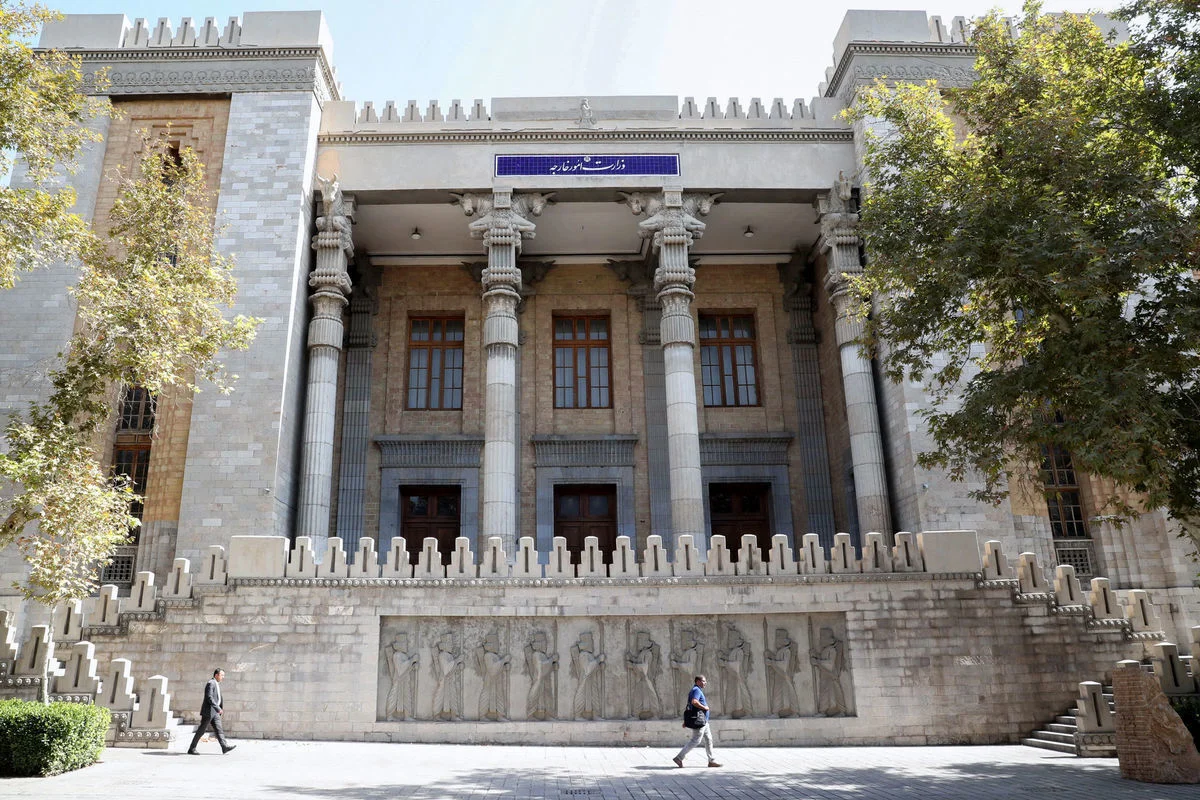
Iran's Ministry of Foreign Affairs has issued a strong rebuttal to claims made by Kuwaiti authorities, dismissing allegations of Iran planning hostile actions against the neighboring nation as "baseless." The statement from Tehran underscores a period of heightened diplomatic sensitivity in the Gulf region, with Kuwait's Ministry of Interior and Foreign Affairs reportedly raising concerns. This diplomatic exchange occurs against a backdrop of ongoing regional instability, which Iran's foreign ministry spokesperson, Esmaeil Baqaei, has characterized as a "defining battle between 'good and evil'" involving the US and Israel.
This rejection of Kuwait's claims is significant for several reasons. Firstly, it signals Iran's intent to counter what it perceives as external pressure and fabricated accusations, aiming to maintain its diplomatic standing. Secondly, the timing, coinciding with a UN resolution supported by 112 nations calling for free navigation in the Strait of Hormuz and an end to Iranian attacks, suggests a coordinated effort to isolate Iran diplomatically. The Iranian government's firm stance is crucial for its domestic audience, projecting an image of strength and resilience against perceived foreign interference, which could indirectly impact currency expectations and investor confidence within Iran.
---
Bahrain-Led UN Resolution on Hormuz Gains Broad Support, Signaling Regional Pressure
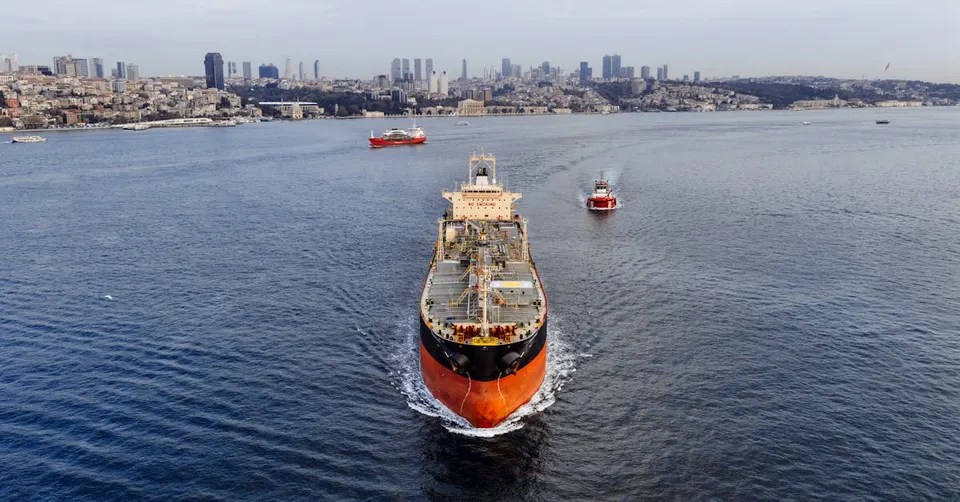
A United Nations resolution spearheaded by Bahrain, calling for unimpeded navigation through the Strait of Hormuz and an cessation of attacks on Gulf neighbors, has garnered support from 112 nations. This broad international backing highlights a unified stance against actions that threaten maritime security and regional stability. The resolution directly addresses concerns over Iran's activities in the vital waterway, a critical chokepoint for global oil trade.
The widespread adoption of this resolution indicates a significant diplomatic victory for Bahrain and its allies, putting increased pressure on Iran. For Iran, this represents a challenge to its regional influence and freedom of movement within the Strait. The resolution's emphasis on "free navigation" and "an end to Iranian attacks" is a clear message to Tehran that its actions are under intense international scrutiny. This diplomatic pressure could have tangible effects on trade routes and potentially influence future economic policies or sanctions, impacting Iran's economic outlook and regional trade relationships.
---
Bitcoin Poised for Surge to $126K, Driven by Geopolitics and AI Investment
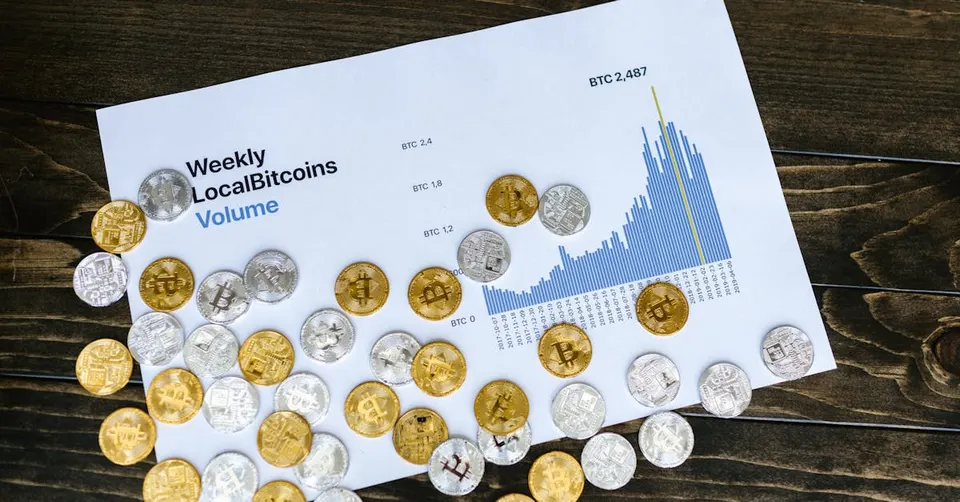
Despite recent market volatility, a prominent analyst, Hayes, has issued a bullish forecast for Bitcoin, predicting a potential surge to $126,000 by the end of the year. This optimistic outlook is largely attributed to a confluence of geopolitical events and significant investment in artificial intelligence. Hayes suggests that increased military spending globally, coupled with a potential shift by US allies towards prioritizing infrastructure investment over traditional U.S. Treasurys and equities, will lead to further currency devaluation and consequently boost cryptocurrencies like Bitcoin.
The ongoing "Iran war" is cited as a significant factor contributing to this geopolitical uncertainty, which often correlates with increased demand for safe-haven assets and alternative investments. Furthermore, substantial spending in the AI sector is seen as a catalyst for economic shifts, potentially driving innovation and investment that benefits digital assets. For cryptocurrency investors, this forecast signals a potentially lucrative period, reinforcing the narrative of Bitcoin as a hedge against inflation and geopolitical instability. The expected rise in Bitcoin's value could also influence the demand for stablecoins like USDT, particularly for individuals seeking to preserve or grow wealth in volatile economic climates.
---
Australia to Deploy Surveillance Aircraft to Strait of Hormuz Mission
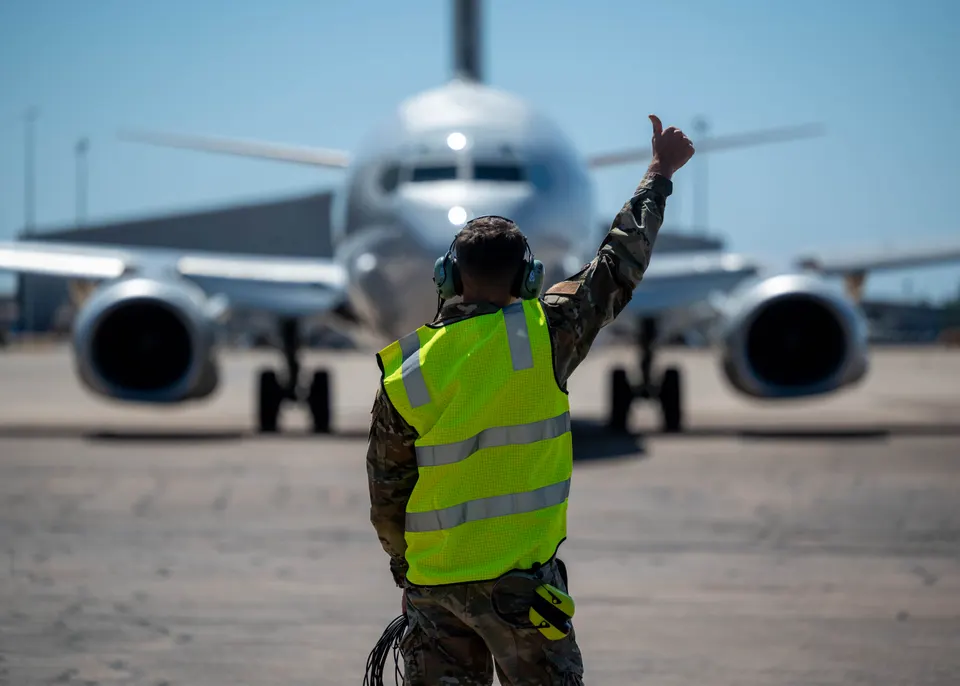
Australia has announced its commitment to join an international mission aimed at securing the Strait of Hormuz, pledging to contribute a sophisticated E-7A Wedgetail surveillance aircraft. Prime Minister Albanese stated that this deployment underscores Australia's dedication to ensuring freedom of navigation in the critical maritime chokepoint. The contribution of the Wedgetail, an aircraft known for its advanced radar and surveillance capabilities, is intended to bolster the multinational effort to maintain safe passage for shipping.
This decision by the Australian government reflects a growing international consensus on the importance of safeguarding the Strait of Hormuz, particularly in light of recent tensions and disruptions. By participating in this mission, Australia aligns itself with a coalition of nations seeking to de-escalate regional conflicts and ensure the unimpeded flow of global commerce. The deployment of advanced military assets signals a serious commitment to regional security and could have implications for Australia's diplomatic relations with various powers involved in the region. For global markets, such initiatives are crucial for maintaining confidence in the stability of energy supplies originating from the Middle East, thereby mitigating potential price shocks.
Frequently Asked Questions
What specific allegations did Kuwait make against Iran?
What is the significance of the UN resolution on the Strait of Hormuz?
What factors are driving the bullish Bitcoin forecast?
What role will Australia's E-7A Wedgetail play in the Strait of Hormuz mission?
How does the "Iran war" relate to the Bitcoin forecast?
Topics
Related Articles