US Strikes Iran, Water Crisis Looms, and Markets Brace for Escalation
حملات آمریکا به ایران، بحران آب و بازارهای آماده برای تشدید تنشها
The US has intensified its strikes against Iran, hitting vital infrastructure including bridges and a key port, prompting retaliation against allies. Meanwhile, a critical water supplier in the UK warns of imminent collapse due to funding shortages, and global oil prices surge amid escalating geopolitical risks in the Persian Gulf.
At time of publishing
USD
190,700
Toman
Gold 18K
18.47M
Toman / gram
Bitcoin
$62,723
US Dollar
Tether
192,469
Toman
US Escalates Strikes on Iran, Retaliation Ensues
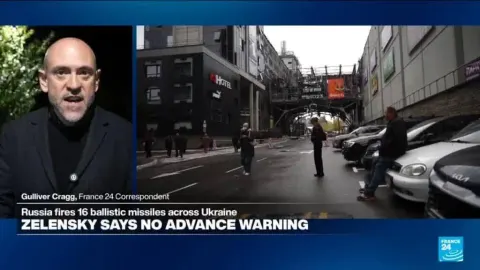
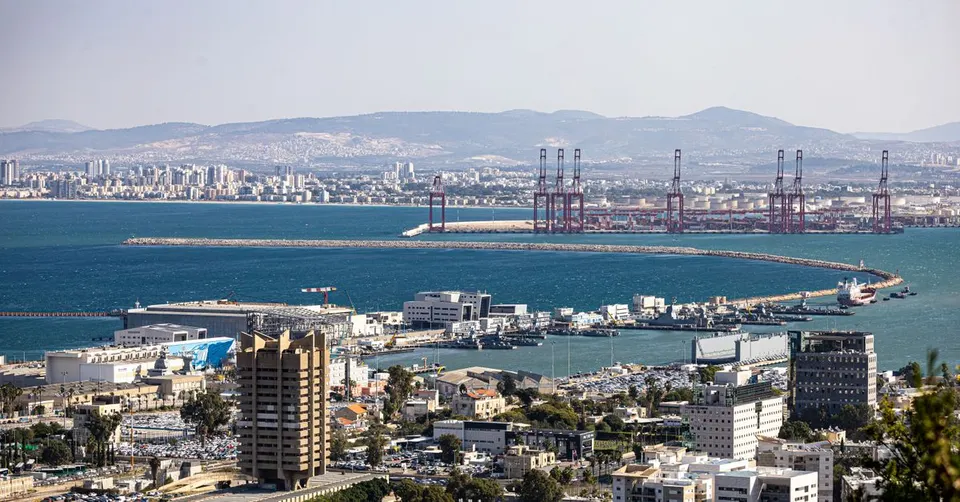
The United States significantly broadened its military actions against Iran on Friday, launching airstrikes that targeted critical infrastructure including bridges, energy facilities, and a key port. Iranian state television reported that at least seven people were killed in strikes on bridges in the southern Hormozgan province, which are vital for the transit to Bandar Abbas, Iran's primary port. Further US strikes reportedly destroyed a tower in Chabahar port on the Gulf of Oman and hit electrical infrastructure and the Iranshahr airport.
In response to these escalating attacks, Iran launched its own strikes against US allies in the Middle East, signaling a dangerous intensification of the regional conflict. The US strikes, which come after a period of reduced tensions due to perceived improvements in oil flow through the Strait of Hormuz, have effectively reintroduced a significant geopolitical risk premium into the oil market. This renewed military action suggests that diplomatic channels, as alluded to in discussions about potential Iran-U.S. talks, remain fraught with peril. The implications for regional stability and global energy markets are profound, with potential disruptions to vital shipping lanes.
---
UK Water Supplier Faces Collapse Amid Funding Crisis
South East Water, a major utility provider serving 2.4 million customers in the UK, has issued a stark warning about its future viability, stating it may not have sufficient funds to operate beyond July 2027. The company's annual report revealed "material uncertainty" over its ability to continue as a going concern, citing a challenging year marked by significant financial penalties and the departure of its chief executive.
While the company claims it has enough liquidity to meet its obligations for the next three years, it explicitly states the need for "new loan facilities" thereafter. This precarious financial situation for a critical infrastructure provider raises serious questions about the regulatory oversight and financial health of the UK's privatized water sector. The potential collapse of such a large utility could have severe consequences for its customers, impacting essential services and potentially requiring government intervention, with ripple effects on consumer confidence and the broader economy.
---
Oil Prices Surge as Red Sea and Hormuz Routes Face New Threats
Global oil prices have seen their strongest weekly gain in months, with September WTI crude rallying over 11% as a significant geopolitical risk premium has been rapidly rebuilt into the market. After trading near $72.50 at the week's start, prices climbed above $80, a sharp reversal from the previous two weeks where optimism about increased oil flow through the Strait of Hormuz had suppressed prices.
This renewed tension stems from Iran's alleged directive to Yemen's Houthi rebels to prepare for disruptions in the Red Sea shipping route, should the US proceed with attacks on Iranian infrastructure. With missiles and drones reportedly deployed near the Bab el-Mandeb Strait, Iran appears to be employing a pincer strategy, leveraging its influence in the Strait of Hormuz and now threatening the southern entrance to the Red Sea. This dual threat to major global oil transit points underscores the fragility of energy supply chains and the immediate impact of geopolitical instability on commodity markets, with China announcing retail price hikes for gasoline and diesel in response to the global price surge.
Frequently Asked Questions
What specific infrastructure did the US target in Iran?
What is the financial situation of South East Water?
Why are oil prices rising so sharply?
What is Iran's response to the US strikes?
What is the significance of the Bab el-Mandeb Strait in the current situation?
Geopolitical Chokepoints: The Vulnerability of Global Energy Supply
Geopolitical chokepoints are narrow maritime passages that are crucial for international trade, particularly for the transport of energy resources like oil and natural gas. Their strategic importance stems from the sheer volume of global commerce that must pass through them, making them potential flashpoints in times of geopolitical tension. Any disruption, blockage, or threat to these waterways can have immediate and far-reaching consequences for global supply chains, energy prices, and economic stability. Understanding these chokepoints is key to grasping the intricate relationship between geopolitics and global markets.
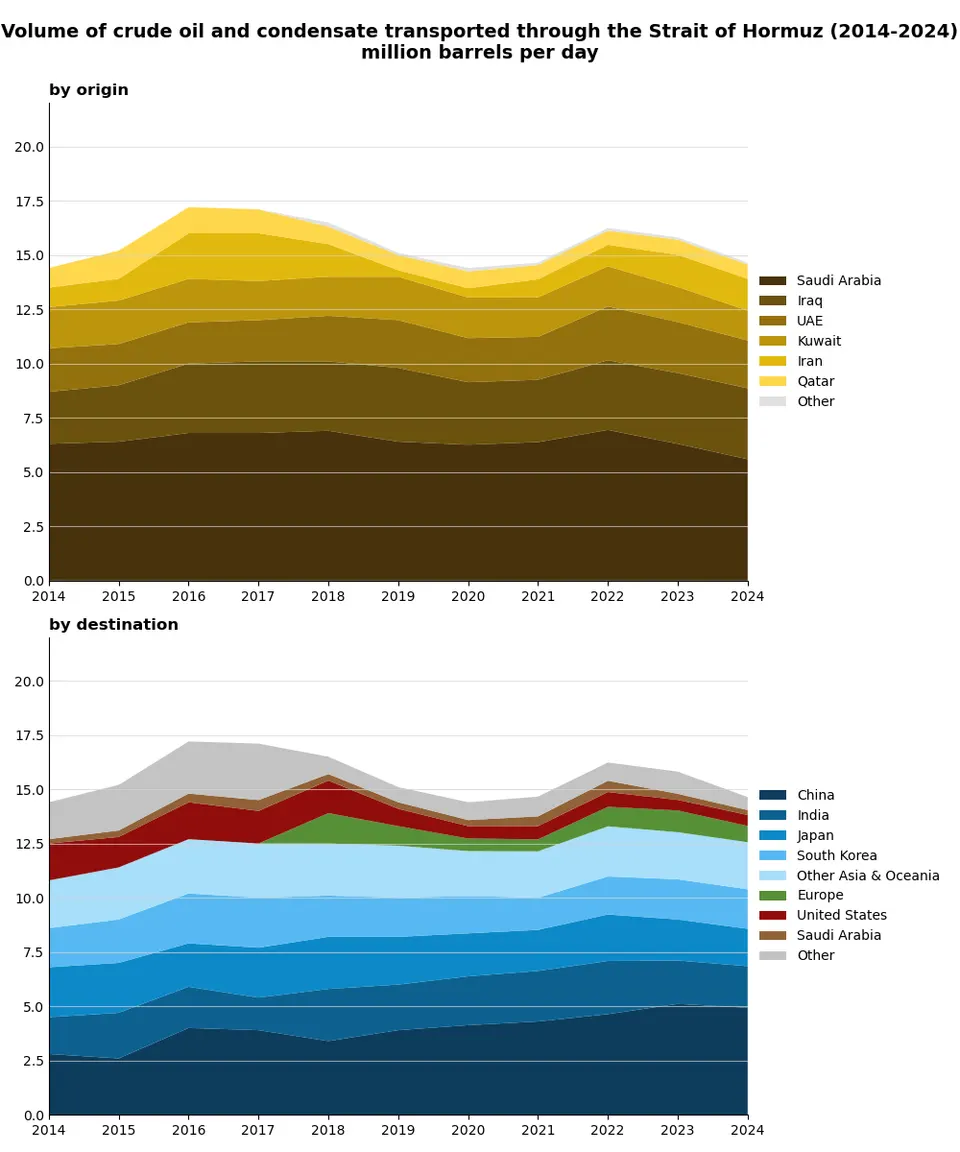
Perhaps the most famous and critical of these is the Strait of Hormuz, a narrow passage connecting the Persian Gulf to the open ocean. Over one-fifth of the world's total petroleum consumption and a significant portion of liquefied natural gas (LNG) transit this strait daily. Bordered by Iran and Oman, its strategic vulnerability is amplified by regional conflicts and political disputes. Threats to shipping in the Strait of Hormuz, whether from direct military action or proxy activities, can trigger sharp increases in oil prices due to fears of supply disruption, impacting economies worldwide.
Beyond Hormuz, other vital chokepoints include the Suez Canal and the Bab el-Mandeb Strait, which together facilitate Red Sea shipping. Recent events, such as attacks on commercial vessels in the Red Sea, demonstrate how disruptions in these areas force ships to take longer, more expensive routes around Africa. This not only increases shipping costs and transit times but also elevates insurance premiums, ultimately affecting the cost of goods—including energy—for consumers globally. Such incidents underscore the interconnectedness of global trade and the fragility of its critical arteries.
The concept of geopolitical risk, therefore, is intimately tied to the security of these chokepoints. When nations or non-state actors threaten these passages, they introduce uncertainty into global markets, leading to speculative trading, price volatility, and increased costs for businesses and consumers. For a curious reader, recognizing these maritime bottlenecks provides a fundamental understanding of how regional conflicts, even those seemingly distant, can directly influence the price of gasoline at the pump or the stability of international energy supplies, highlighting the delicate balance required for global energy security.
Strait of Hormuz - Wikipedia
en.wikipedia.org
World Oil Transit Chokepoints - U.S. Energy Information Administration (EIA)
eia.gov
Geopolitical Risk: Definition, Types, and Impact on Markets - Investopedia
investopedia.com
Red Sea attacks: What are the Houthis doing and what is the impact on global trade? - BBC News
bbc.com