Trump-Xi Summit Stalemate Leaves Hormuz in Limbo; Gold Prices Retreat 3% in Tehran
بنبست در مذاکرات ترامپ و شی در پکن؛ ریزش ۳ درصدی قیمت طلا در بازار تهران
The high-stakes Beijing summit between Donald Trump and Xi Jinping has concluded with 'fanfare but little clarity,' leaving markets on edge regarding the Strait of Hormuz. Meanwhile, gold prices in Iran have dropped by nearly 3% as regional tensions and global shifts weigh on the precious metal.
At time of publishing
USD
180,400
Toman
Gold 18K
19.87M
Toman / gram
Bitcoin
$79,024
US Dollar
Tether
17,949.7
Toman
The Beijing Stalemate: Trump and Xi Fail to Pivot on Hormuz
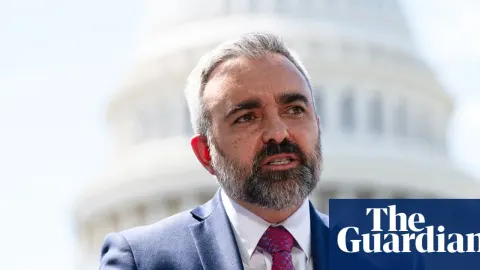
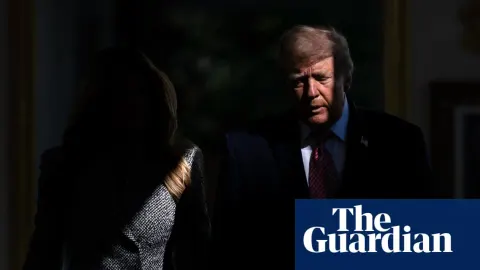
President Donald Trump has concluded his whirlwind trip to Beijing, a visit marked by grand rhetoric but a distinct lack of concrete solutions regarding the world's most pressing flashpoints. While Trump claimed he and Xi Jinping 'settled a lot of different problems,' the reality on the ground suggests a stalemate. Specifically, there was no indication that the two leaders resolved the ongoing crisis in the Strait of Hormuz or reached a consensus on Taiwan. This lack of clarity has sent ripples through global markets, as investors had hoped for a breakthrough that would stabilize energy shipping lanes and reduce the risk of a broader conflict involving Iran.
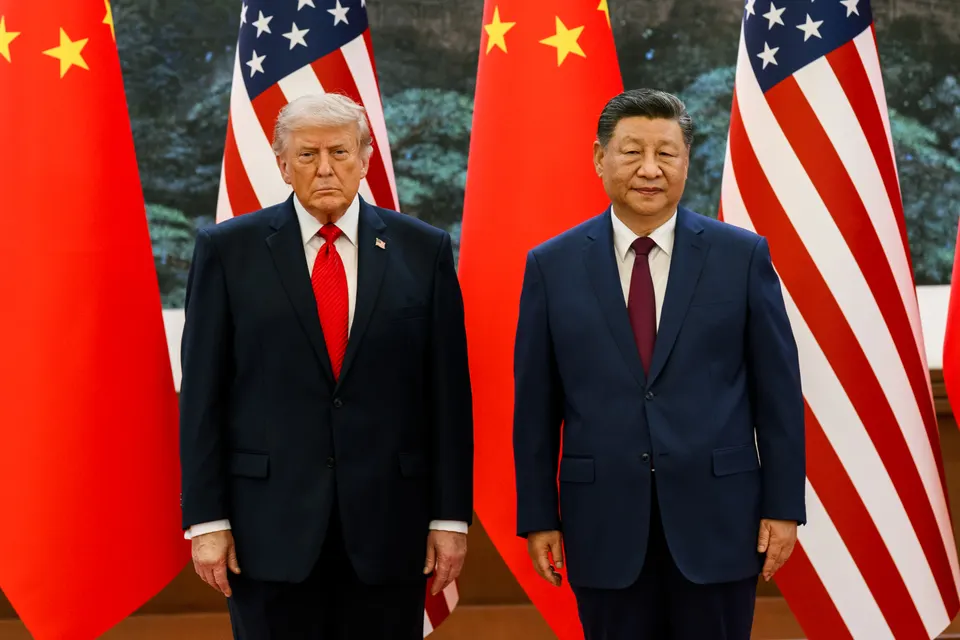
The market reaction was swift and unforgiving. Stocks tumbled and the bond rout deepened as it became clear that China would not yet commit to pressuring Iran for a full reopening of the Strait. Interestingly, even as he negotiated, disclosure filings revealed that Trump made significant personal investments in Boeing and Nvidia—two companies poised to benefit from any potential trade deals with China. For the Iranian reader, this means the geopolitical risk premium remains embedded in the economy, keeping the USD/IRR rate at a high plateau of 180,400 Toman, even as other assets fluctuate.
Gold Markets Recoil as Internal Stability Becomes Focus
In the Iranian domestic market, gold has seen a significant correction over the last 24 hours. The price of 18k gold per gram moved from 20,459,855 to 19,871,646 Toman, marking a sharp -2.9% decline. This retreat comes despite the lack of a diplomatic breakthrough in Beijing, suggesting that the domestic market may have been overextended or is pricing in a temporary cooling of immediate military escalations. While the Emami coin remained stable at 197,000,000 Toman, the drop in bullion prices reflects a shift in local sentiment as traders wait for the next move from the Federal Reserve and the impact of the newly cleared 'Clarity Act' in the U.S. Senate.
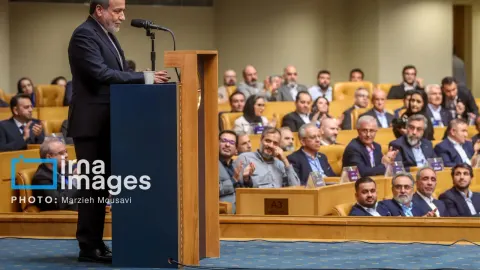
Simultaneously, the Iranian government is emphasizing internal cohesion. Foreign Ministry spokesperson Esmaeil Baqaei recently highlighted the role of the Kurdish population as the 'backbone of Iran’s power' and the guardians of its borders. By focusing on the resilience of Kurdestan, Tehran is signaling to both domestic and foreign audiences that its border security remains robust despite external pressures. This emphasis on internal unity is a critical component of Iran's strategy to maintain economic confidence and prevent further currency volatility in the face of ongoing international sanctions and the stalemate in U.S.-China relations.
Global Security and the Return of Cultural Soft Power
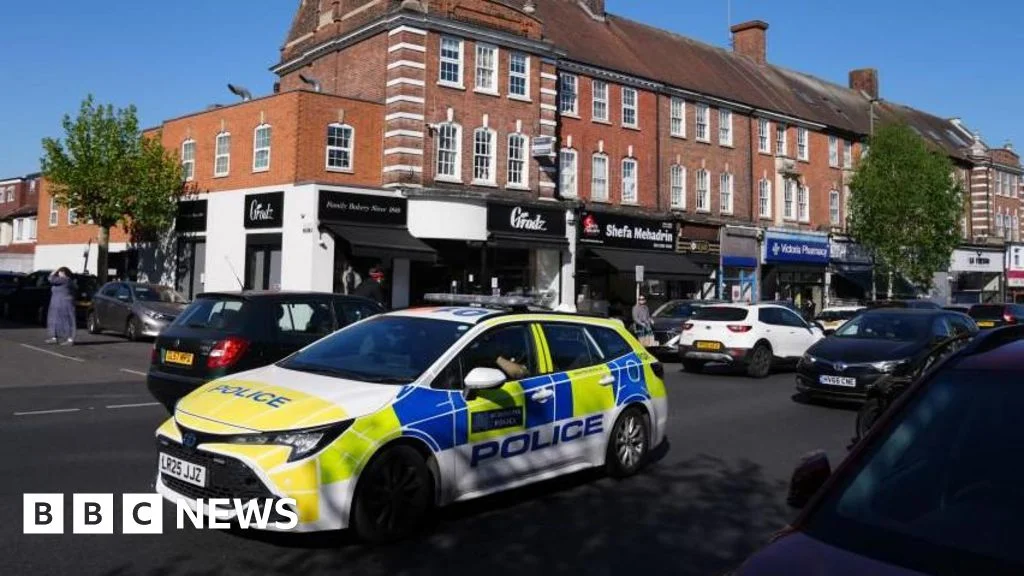
In London, legal proceedings are moving forward in a case that has gripped the Iranian and Jewish diasporas. Essa Suleiman, the 45-year-old suspect accused of a stabbing attack in Golders Green, is set to stand trial next year. The incident, which targeted members of the Jewish community shortly after an attack on a member of the Somali community, has heightened security concerns across the UK capital. For Iranians living abroad, such events underscore the volatile nature of communal tensions in Europe, which often mirror the geopolitical frictions occurring in the Middle East. The trial will be closely watched for its implications on hate crime legislation and public safety in multi-ethnic hubs.
On a lighter note, the global cultural calendar is shifting toward the 2026 Cannes Film Festival, which promises a high-profile return to 'soft power' diplomacy. French legends Catherine Deneuve and Marion Cotillard are set to dominate the Croisette, while John Travolta makes a surprising directorial debut. While seemingly distant from the world of finance, the return of such massive cultural events often signals a desire for global 'normalcy.' However, for the Iranian film industry—historically a powerhouse at Cannes—the current political climate and travel restrictions continue to pose significant challenges for artists seeking to bridge the gap between Tehran and the international stage.
Tech Volatility: Cerebras IPO and the AI Hardware Race
In the technology sector, the high-profile IPO of chipmaker Cerebras has provided a masterclass in market volatility. After a blowout opening day where shares surged 89% above their initial price, the stock has begun to pull back as investors reassess the long-term sustainability of the AI hardware boom. This volatility is a mirror of the broader uncertainty in the tech world, particularly as companies like Nvidia—which Trump himself has recently invested in—navigate the complex web of export controls and shifting demand from China. For tech-focused investors in Iran, these fluctuations are a reminder that even the most promising AI ventures are not immune to the gravity of macroeconomic shifts.

Frequently Asked Questions
Why did gold prices drop in Iran despite the diplomatic stalemate in Beijing?
What was the outcome of the Trump-Xi summit regarding the Strait of Hormuz?
How is the USD/IRR exchange rate reacting to these global events?
What is the significance of the Cerebras stock pullback for tech investors?
The Geopolitical Lifeline: Understanding the Strait of Hormuz
The Strait of Hormuz is a narrow, strategically vital waterway connecting the Persian Gulf to the Arabian Sea and the open ocean. Situated between Iran on the north coast and Oman's Musandam peninsula to the south, its geographical constraints make it one of the world's most critical maritime chokepoints. Roughly 21 miles (33 km) wide at its narrowest point, with shipping lanes just two miles (3 km) wide in either direction, this strait is indispensable for global trade and energy security.
Its economic significance cannot be overstated. The Strait of Hormuz is the world's most important oil transit chokepoint, with an estimated one-fifth of global petroleum consumption and a quarter of global liquefied natural gas (LNG) passing through it daily. Tankers carrying crude oil and refined products from major producers like Saudi Arabia, Iran, Iraq, Kuwait, Qatar, and the UAE must navigate these waters. Any disruption here, whether due to accident, conflict, or political blockade, could send immediate and severe shockwaves through international energy markets, leading to soaring oil prices, increased shipping costs, and significant global economic instability.
This vital waterway is also a flashpoint for geopolitical tensions. Iran, with its extensive coastline along the northern side of the strait, has historically threatened to close it in response to international sanctions or military pressure. Such threats, even if not fully acted upon, create substantial geopolitical risk premiums in global commodity markets, particularly for oil. The presence of major naval forces from various nations underscores the high stakes involved in maintaining its free passage.
Understanding the Strait of Hormuz's role is key to interpreting global economic and political signals. When diplomatic efforts, such as a high-level summit, appear to reduce the perceived risk of conflict or disruption in such a critical region, the demand for safe-haven assets like gold can decrease. This can lead to a retreat in gold prices, as observed in Tehran, reflecting a temporary easing of global anxieties. Conversely, heightened tensions around the strait would typically prompt investors to flock to gold, driving its price upwards, illustrating the direct link between this geographical chokepoint and market sentiment.
Topics
Related Articles