Cannes Sparkle Meets Market Murmurs: Travolta Debuts as Gold Slumps 3% Amid Hormuz Stalemate
درخشش کن در سایه رکود بازار: اولین کارگردانی تراولتا همزمان با سقوط ۳ درصدی طلا و بنبست هرمز
John Travolta makes his directorial debut at Cannes while global markets reel from a failed US-China breakthrough regarding the Strait of Hormuz. In Tehran, gold prices have plummeted over 3% as investors weigh the impact of new Federal Reserve leadership and ongoing regional tensions.
At time of publishing
USD
180,400
Toman
Gold 18K
19.84M
Toman / gram
Bitcoin
$79,148
US Dollar
Tether
17,969.9
Toman
Travolta’s Flight of Fancy Amid Geopolitical Turbulence
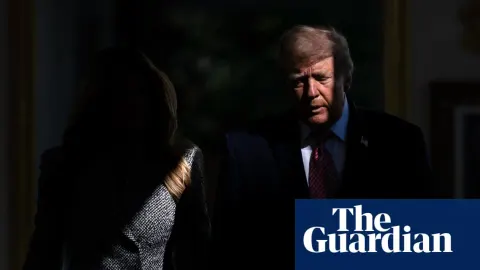
While the world’s financial eyes were fixed on the tense negotiations in Beijing, the 79th Cannes Film Festival provided a stark contrast of Hollywood glamour. John Travolta, the legendary star of Pulp Fiction and Grease, officially unveiled his directorial debut, Propeller One-Way Night Coach. The film, based on a children’s book Travolta wrote for his son, explores the golden age of aviation—a subject close to the heart of the licensed pilot. Cultural Editor Eve Jackson reported from the scene that the premiere was one of the most star-studded events of the season, momentarily distracting the global elite from the deteriorating security situation in the Middle East.
However, for Iranian observers, this cultural milestone serves as a reminder of the soft power dynamics at play. While cinema celebrates human achievement, the underlying reality for the Iranian economy remains tied to the hard power struggles discussed in Beijing. The contrast between the celebratory atmosphere in France and the rigid diplomatic stance regarding the Strait of Hormuz highlights the dual reality Iranians navigate: a desire for global cultural integration versus the isolationist pressures of ongoing sanctions and regional conflict.
Gold Retreats as Fed Transition Rattles Investors
In the Tehran markets, the afternoon session saw a significant correction in precious metals. Gold 18k/gram moved from 20,459,855 to 19,835,172 Toman, marking a sharp -3.1% decline. This drop comes despite the USD/IRR remaining virtually flat at 180,400 Toman. The divergence suggests that the local gold market is reacting more to international signals than to immediate currency fluctuations. Specifically, the imminent transition of the Federal Reserve leadership to Kevin Warsh has sent ripples through global bond markets, with rising yields making non-yielding assets like gold less attractive to institutional holders.
For the average Iranian saver, this 3% drop is a double-edged sword. While it offers a slightly more accessible entry point for those looking to preserve capital, it also signals a period of high volatility. The market is currently pricing in the failure of President Trump to secure a commitment from China to pressure Iran over the Strait of Hormuz. As global investors pivot toward the safety of high-yield US bonds, the "war premium" on gold appears to be softening, at least temporarily, as traders realize that the current stalemate may become a long-term status quo rather than an immediate escalatory explosion.
The Hormuz Deadlock and the Semiconductor Cold War
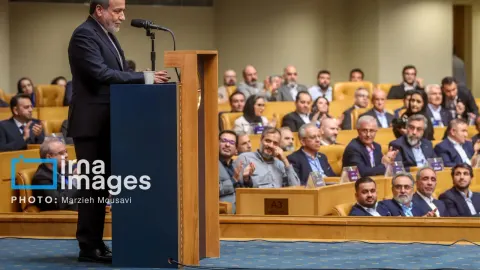
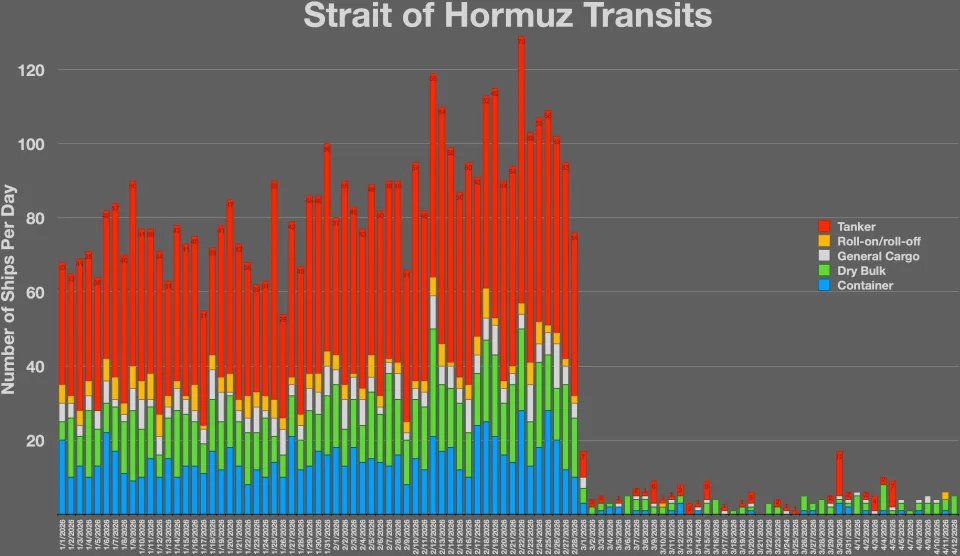
Geopolitical tensions reached a fever pitch today as Foreign Minister Abbas Araghchi reiterated Iran’s "historical duty" as the protector of the Strait of Hormuz. This statement followed reports that the Trump-Xi summit in Beijing ended without a concrete agreement on maritime security. While the US sought Chinese intervention to ensure the free flow of oil, Beijing remained pragmatic, refusing to use its leverage over Tehran without significant concessions on semiconductor exports. US Trade Representative Jamieson Greer confirmed that advanced Nvidia H200 chips remain off-limits for China, effectively stalling any grand bargain that could have eased regional tensions.
This deadlock has immediate consequences for the energy sector and tech markets. While Pakistan managed a diplomatic feat by securing LNG shipments through the Strait via mediation, other energy buyers are not so lucky. The failure to de-escalate has kept crude oil prices above $100, which paradoxically provides a revenue cushion for sanctioned exporters while fueling global inflation. For tech-savvy Iranians and the local crypto community, the continued US-China friction over AI chips means that the digital divide is widening, potentially affecting the availability and price of high-end hardware used for everything from mining to infrastructure.
Crypto Markets Slide as Inflation Fears Resurface
Bitcoin has mirrored the broader market anxiety, tumbling from recent highs to approximately $79,148. The decline is largely attributed to rising bond yields and a renewed fear that the Federal Reserve will maintain a hawkish stance under its new leadership. As the "War of Whales" trading competition opens with a $5 million prize pool, the irony is not lost on retail investors who are seeing their portfolios shrink. The crypto market, which many hoped would act as a hedge against geopolitical instability, is currently behaving more like a high-risk tech stock, sensitive to the same liquidity drains affecting the S&P 500.
For Iranian crypto users, the stability of USDT (Tether) remains the primary concern. With the Toman price for USDT holding steady at 17,970, the digital dollar remains the preferred vehicle for capital flight and international trade. However, the broader slump in Bitcoin and Ethereum (now at $2,216.61) suggests that the "risk-on" sentiment that fueled the early 2026 rally is evaporating. Investors are now looking for clarity on US export controls and the final composition of the Fed board before making their next move, leaving the market in a state of watchful waiting.
Frequently Asked Questions
Why did gold prices drop in Tehran despite high geopolitical tension?
What was the outcome of the Trump-Xi summit regarding the Strait of Hormuz?
How is Bitcoin performing amid the current regional instability?
What did Abbas Araghchi say about the security of the Strait of Hormuz?
Gold as a Safe-Haven Asset: More Than Just Geopolitical Risk
Gold has long been revered as a "safe-haven asset," a financial refuge investors flock to during times of economic uncertainty, political instability, or market turmoil. Its appeal stems from its historical role as a store of value, its tangible nature, and its perceived immunity to the inflationary pressures that can erode the value of fiat currencies. When headlines scream of geopolitical stalemates, such as the one mentioned in the Strait of Hormuz, the conventional wisdom suggests that gold prices should rise as investors seek to protect their wealth from potential fallout.
However, the relationship between geopolitical risk and gold prices is far more nuanced than a simple cause-and-effect. While a crisis can indeed trigger a rush to gold, its price is simultaneously influenced by a complex interplay of other powerful factors. The strength of the US dollar, for instance, plays a significant role; as gold is priced in dollars, a stronger dollar makes gold more expensive for holders of other currencies, potentially dampening demand. Real interest rates, which reflect the true return on savings after inflation, also impact gold's appeal. When real rates are high, interest-bearing assets become more attractive, increasing the opportunity cost of holding non-yielding gold.
Therefore, a scenario where gold slumps even amidst a geopolitical stalemate, as highlighted in the headline, suggests that these other market forces are exerting a stronger influence. Perhaps a strengthening dollar, anticipation of central bank interest rate hikes, or a market interpretation that the stalemate, while concerning, is unlikely to escalate into a full-blown crisis, are overriding the typical safe-haven demand. This demonstrates that investors must look beyond singular events and consider the broader economic landscape and prevailing market sentiment to understand gold's intricate price movements.
Understanding gold's multifaceted drivers is crucial for any investor seeking to diversify their portfolio and hedge against various risks. It's a reminder that while safe havens offer protection, their efficacy and price performance are never guaranteed and are always subject to the dynamic forces of global finance.
Topics
Related Articles