Wrestling Legend Honored Amid Oil Shock Profits and Beijing’s Great Power Game
بزرگداشت اسطوره کشتی در میان سوداگران شوک نفتی و بازی بزرگ قدرت در پکن
Iran commemorates the late Abdollah Movahed as global markets analyze the winners of the 'Iran War Oil Shock.' Meanwhile, a high-stakes Putin-Xi summit looms in Beijing following Trump's recent visit.
At time of publishing
USD
180,500
Toman
Gold 18K
19.84M
Toman / gram
Bitcoin
$77,766
US Dollar
Tether
17,935.2
Toman
The Legacy of a Champion: Iran Honors Abdollah Movahed
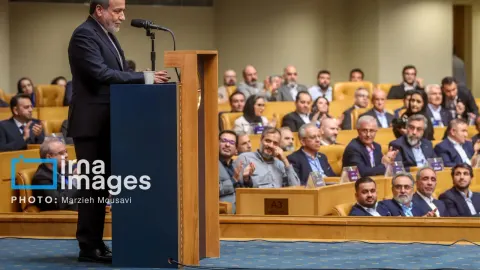
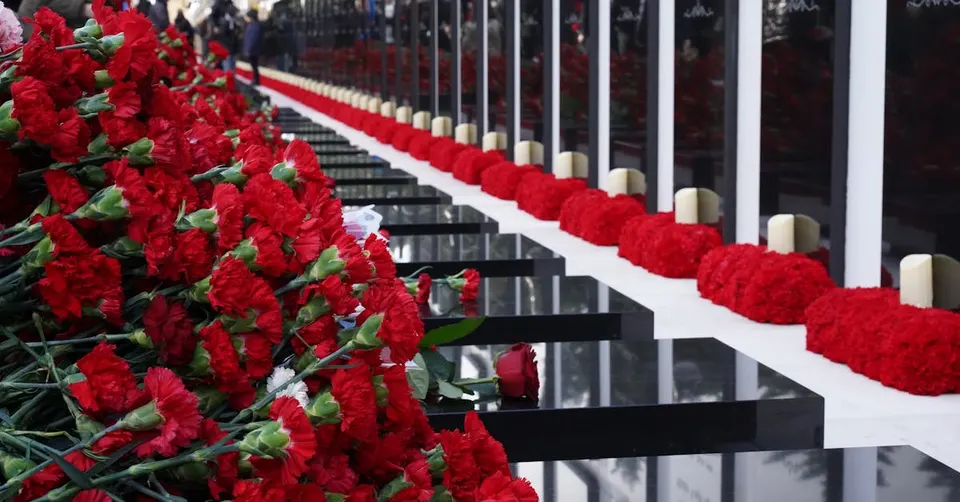
At 14:00 Tehran time, the nation pauses to remember one of its greatest sporting icons. The commemoration ceremony for the late Abdollah Movahed, a six-time world and Olympic gold medalist, was held at the Noor Mosque in Fatemi Square. Movahed, who passed away recently at the age of 86, was not just an athlete but a symbol of national resilience and the "Pahlavani" spirit. His legacy, often intertwined with that of his close friend Gholamreza Takhti, remains a cornerstone of Iranian identity, especially during times of external pressure and economic hardship.
The gathering at Noor Mosque serves as a reminder of the cultural weight that sports icons carry in the Islamic Republic. In a period where the headlines are dominated by currency fluctuations and geopolitical brinkmanship, the celebration of Movahed’s life offers a moment of collective reflection. For the Iranian public, these figures represent a standard of excellence and integrity that transcends the volatile nature of modern politics and the daily struggle against inflation.
Winners and Losers of the 'Iran War Oil Shock'
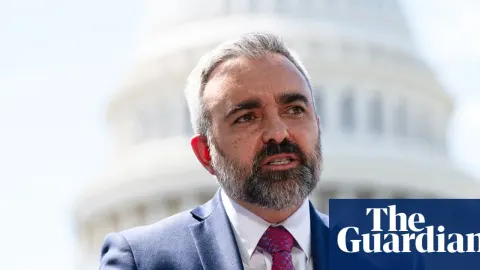
As the regional conflict continues to simmer, a new analysis from major financial outlets has begun to map the winners and losers of the so-called "Iran War Oil Shock." While the Iranian economy faces significant hurdles, specific global players are reaping massive profits from the resulting price volatility. Data indicates that nations with significant spare capacity and those capable of circumventing traditional shipping routes have seen a surge in revenue. In the local market, the USD/IRR exchange rate has shown a slight uptick, moving from 180,400 to 180,500 (+0.1%), reflecting a cautious but steady demand for hard currency as a hedge against uncertainty.
Conversely, the gold market in Tehran is experiencing a corrective phase. Gold 18k/gram has dipped from 19,890,345 to 19,839,558 (-0.3%), while the Emami coin saw a sharper decline from 197,000,000 to 195,000,000 (-1.0%). This downward movement in gold, despite the geopolitical tension, suggests that some investors may be liquidating positions to cover margins elsewhere or shifting toward the dollar as it maintains its strength. The "oil shock" is not just about the price at the pump; it is a fundamental restructuring of global capital flows that leaves the Iranian consumer caught between rising import costs and a fluctuating domestic gold market.
Beijing’s Great Game: Putin, Xi, and the Trump Shadow
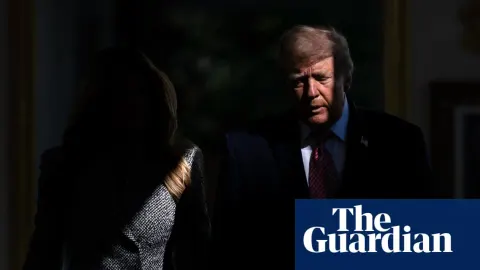
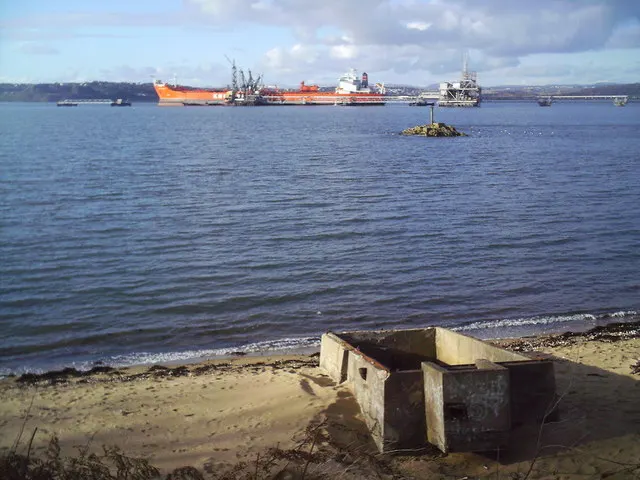
Geopolitics is entering a critical phase as the Kremlin announces President Vladimir Putin’s upcoming visit to Beijing to meet with Xi Jinping. This summit occurs just days after Donald Trump’s high-profile trip to the Chinese capital, creating a complex triangular diplomatic dance. For Iran, the outcome of these talks is existential. As Russia and China deepen their "no-limits" partnership, Tehran looks to these powers as vital economic lifelines against Western sanctions. The meeting is expected to cover everything from the war in Ukraine to the ongoing tensions in the Persian Gulf, with China positioning itself as the ultimate arbiter of global stability.
The timing is particularly sensitive as the US moves closer to implementing the CLARITY Act, which could further isolate Iran’s financial channels. However, the warm diplomatic optics between Trump and Xi suggest that Beijing is keeping its options open. If China decides to trade its support for Iran for concessions from Washington on trade or Taiwan, the economic pressure on Tehran could intensify. Iranian policymakers are watching these developments closely, understanding that the value of the Toman and the stability of the regional oil trade are increasingly decided in the boardrooms of Beijing rather than the halls of the UN.
Global Tensions Spill Over: London on High Alert
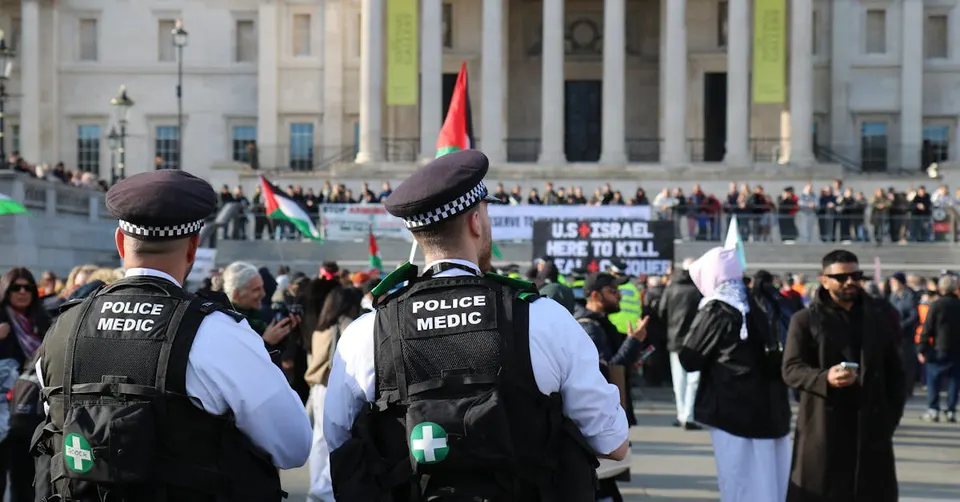
Beyond the corridors of power, the streets of London are witnessing one of the largest police deployments in years. Over 4,000 extra officers have been mobilized as rival far-right and pro-Palestine marches coincide with Nakba Day. The Metropolitan Police are struggling to maintain a thin blue line between groups that represent the polarized extremes of the global response to the Middle East crisis. This domestic unrest in the UK is a direct reflection of the heightened stakes in the Iran-Israel conflict, showing how regional wars now have immediate, physical consequences in Western capitals.
For the markets, this social instability in a major financial hub like London adds another layer of risk. While it may not directly impact the USD/IRR rate today, it contributes to a general sense of global fragility that keeps institutional investors on edge. The Bitcoin market has already felt the sting of this uncertainty, with BTC dropping to $77,766 after a massive $550 million long flush triggered by fears of prolonged high interest rates and geopolitical instability. As the world watches London, the underlying message is clear: the conflict involving Iran is no longer localized; it is a global phenomenon affecting everything from urban security to digital asset valuations.
Frequently Asked Questions
Who was Abdollah Movahed and why is he significant now?
Why did the price of the Emami coin drop by 1% today?
What is the 'Iran War Oil Shock' mentioned in the news?
How did the crypto market react to the current geopolitical climate?
Understanding Energy Geopolitics
Energy geopolitics is a critical concept that examines the intricate relationship between energy resources, international relations, and global power dynamics. At its core, it explores how the production, distribution, and consumption of energy—particularly fossil fuels like oil and natural gas—shape diplomatic strategies, economic policies, and even military interventions worldwide. Nations rich in energy resources often wield significant geopolitical influence, while energy-importing countries must navigate complex supply chains and political alliances to secure their needs, making energy a constant factor in the global balance of power.
Oil, in particular, has historically been a central player in energy geopolitics due to its strategic importance, concentrated reserves, and vital role in transportation and industry. Major powers frequently use access to or control over energy supplies as a tool for leverage, forming strategic alliances or challenging existing global orders. For instance, high-level meetings such as the "Putin Xi Jinping Beijing meeting" often involve discussions on energy cooperation, pipeline projects, and strategies to potentially circumvent Western-dominated energy markets, reflecting "Beijing's Great Power Game" to reshape global influence through economic and energy ties.
These geopolitical maneuvers can have profound economic consequences, leading to phenomena like "Oil Shock Profits" for some nations or companies, while causing severe disruptions for others. An "Iran oil shock 2026," for example, would likely trigger significant volatility in global markets and have a direct, often detrimental, impact on Iran's domestic economy. Such shocks can drastically affect national budgets, trade balances, and crucially, the "USD to IRR exchange rate," leading to inflation and economic instability as the value of the national currency fluctuates against international benchmarks.
Understanding energy geopolitics is thus essential for comprehending not only the headlines about global energy prices but also the underlying forces driving international conflicts, economic shifts, and the strategic decisions of nations. It sheds light on why certain regions are focal points of international attention and how the pursuit of energy security continues to shape the geopolitical landscape, influencing everything from trade agreements to military postures and the stability of national currencies.
Topics
Related Articles