Al-Qassam Commander Martyred in Gaza as Manhattan Arrest Links Quds Force to Global Terror Plot
شهادت فرمانده القسام در غزه و بازداشت متهم مرتبط با نیروی قدس در منهتن؛ ثبات نسبی قیمتها در بازار تهران
The martyrdom of a top Al-Qassam commander in Gaza has sent shockwaves through the region, while a major US security operation unsealed charges against an Iraqi suspect allegedly linked to Iran's Quds Force. Despite these geopolitical fires, Tehran's currency and gold markets saw minor downward corrections over the last 24 hours.
At time of publishing
USD
180,100
Toman
Gold 18K
19.80M
Toman / gram
Bitcoin
$77,883
US Dollar
Tether
17,895.6
Toman
Al-Qassam Commander Martyred Amid Intensifying Gaza Conflict
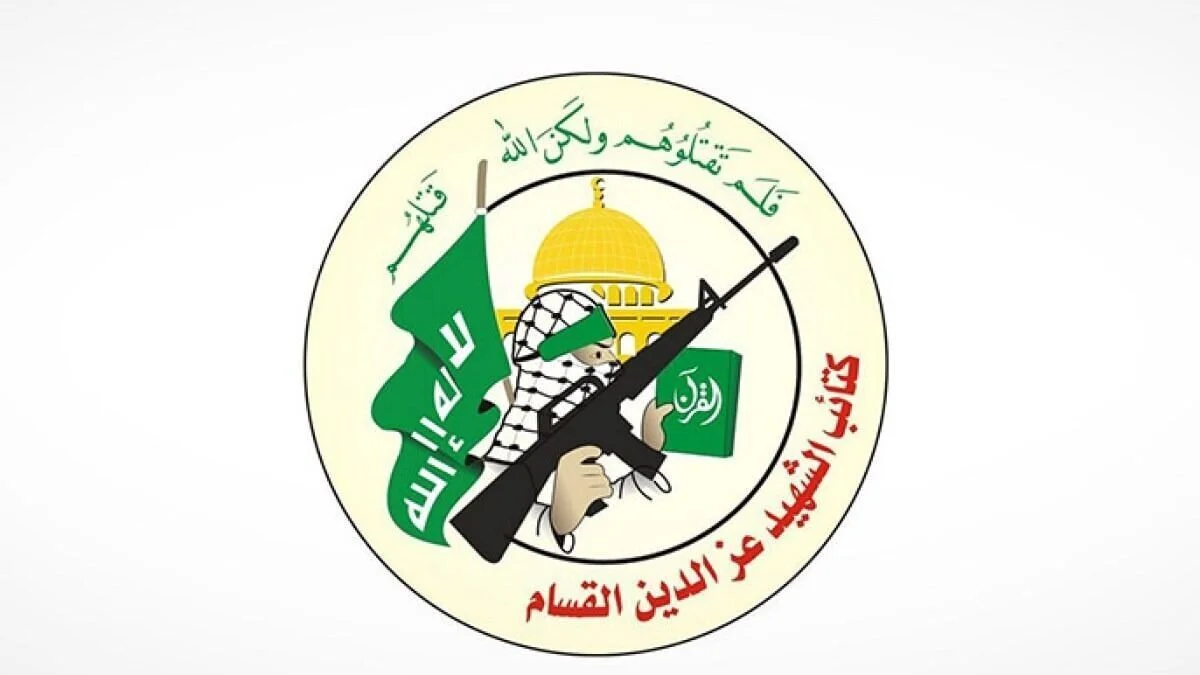
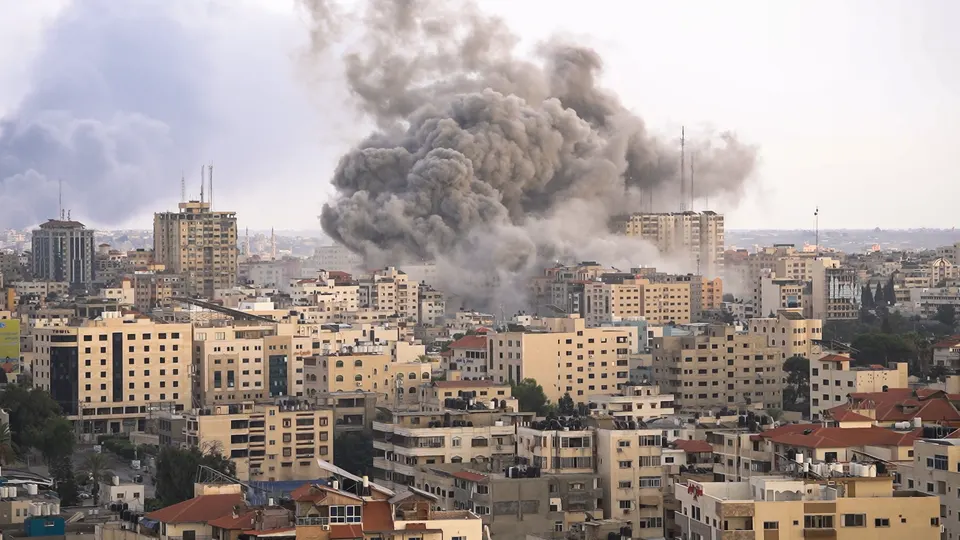
The Shahid Izz ad-Din al-Qassam Brigades, the military wing of Hamas, officially confirmed today that Izz ad-Din al-Haddad, a prominent commander of the brigades, was martyred during an Israeli airstrike in Gaza City. This targeted assassination marks a significant escalation in the ongoing conflict, as Al-Haddad was considered a key operational figure within the resistance's military hierarchy. The loss is expected to trigger a fresh wave of retaliatory actions, potentially widening the scope of the regional confrontation that has already strained global energy supplies and shipping lanes.
For Iranian observers and markets, this development adds a layer of uncertainty to the geopolitical risk premium. While the martyrdom of high-ranking officials often sparks immediate volatility, the market reaction in Tehran has been uncharacteristically muted this hour. Traders are likely weighing the possibility of a broader regional response against the current economic exhaustion. The event reinforces the 'war footing' that has defined the Middle Eastern economy for the past three months, keeping safe-haven assets like gold at historic highs even as local prices see minor technical corrections.
Manhattan Indictment: Alleged Quds Force Links to Global Plot
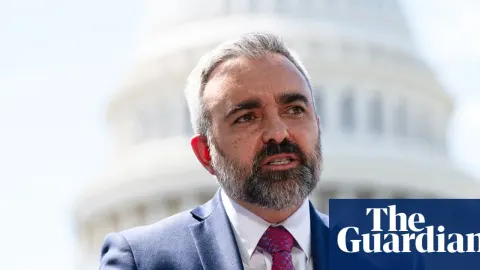
In a development described by security analysts as 'astonishing but not surprising,' US federal authorities in Manhattan have unsealed a criminal complaint against Mohammad Baqer Saad Dawood al-Saadi. The Iraqi national is accused of organizing a string of 18 terrorist attacks across the UK, Europe, and Canada since the beginning of the current regional war. The complaint alleges that Al-Saadi has deep ties to the Iranian Revolutionary Guard’s Quds Force, suggesting a coordinated campaign targeting diplomatic and religious sites, including a synagogue and the US consulate in Toronto.
This legal move by the US Department of Justice comes at a delicate time for Iranian diplomacy. The allegations of firebombings and arson across Belgium, France, and Germany could provide the necessary political capital for European nations to implement harsher economic sanctions or designate the IRGC as a terrorist organization in its entirety. For the Iranian economy, this signals a potential tightening of the 'sanctions noose,' which often correlates with long-term pressure on the Toman, regardless of short-term daily fluctuations.
Tehran Market Analysis: Toman and Gold Ease Despite Global Tensions
Despite the heavy geopolitical news cycle, the Iranian domestic market has shown a surprising degree of resilience over the past 24 hours. The USD sell rate in Tehran moved from 180,400 to 180,100 Toman, representing a minor decrease of 0.2%. This suggests that the market had already priced in much of the current regional tension, or that central bank interventions are effectively managing the liquidity flow. However, the broader economic sentiment remains cautious, as high global gas prices and inflation continue to stress consumer spending power both domestically and abroad.
In the precious metals sector, the correction was more pronounced. Gold 18k per gram fell from 19,890,345 to 19,795,696 Toman (-0.5%), while the Emami coin saw a more significant drop from 197,000,000 to 194,000,000 Toman, a 1.5% decrease. This dip in coin prices reflects a cooling of the speculative 'bubble' that had formed earlier in the week. Investors appear to be shifting some capital toward more liquid assets or simply waiting for a clearer signal from the ongoing diplomatic maneuvers in the region.

Crypto & AI: Bitcoin ETF Bleed and the XRP Speculation
The digital asset market is facing its own set of challenges as spot Bitcoin ETFs recorded a massive $1 billion outflow over the past week, snapping a six-week streak of inflows. This capital rotation appears to be heading toward AI-driven tech stocks as macro uncertainty weighs on crypto sentiment. Bitcoin currently sits at $77,883, struggling to maintain its upward momentum as institutional investors de-risk their portfolios in the face of persistent inflation data and the 'Iran war' narrative impacting global trade.
Meanwhile, the intersection of AI and markets has produced intriguing forecasts for Ripple (XRP). Analysis using Claude AI suggests that if XRP ETFs were to see inflows reaching $5 billion, the token's price trajectory could decouple from the broader market lethargy. However, for the average Iranian crypto holder, the primary concern remains the USDT/IRT rate, which currently stands at 17,896 Toman. The stability of the Tether rate relative to the free-market USD suggests that demand for digital dollars remains a primary hedge against local currency devaluation.
Frequently Asked Questions
How did the martyrdom of the Al-Qassam commander affect the Toman?
What are the implications of the Manhattan indictment for Iran?
Why is the Emami coin price dropping faster than the USD?
What is causing the $1 billion outflow from Bitcoin ETFs?
Understanding a War Economy
A "war economy" describes a state where a nation's economic activity is primarily directed towards sustaining a conflict or surviving under severe external pressure, such as extensive international sanctions. In such an environment, traditional market forces are often overridden by state control, resource allocation shifts dramatically towards strategic sectors (defense, essential goods), and the well-being of the civilian population often takes a backseat to national survival. This concept isn't limited to declared military conflicts; it also applies to situations where a country faces prolonged economic warfare through embargos and financial restrictions, forcing it to operate under siege-like conditions.
Iran's economy, for instance, frequently operates under conditions akin to a war economy due to decades of international sanctions. These sanctions, imposed by various global powers, severely restrict Iran's access to international banking, trade, and investment, effectively isolating it from much of the global financial system. This external pressure creates immense strain on the national currency, leading to significant depreciation of the Iranian Rial against major currencies like the USD, and driving citizens to seek refuge in tangible assets like gold as a hedge against inflation and economic uncertainty.
The consequences of operating under such a model are far-reaching. Resources that might otherwise be invested in infrastructure, healthcare, or education are often diverted to maintain strategic capabilities or ensure the supply of essential goods through unconventional channels. This environment fosters high inflation, encourages the growth of black markets, and creates significant challenges for ordinary citizens struggling with rising costs of living and limited economic opportunities. The government, in turn, must constantly innovate and adapt to circumvent restrictions, often relying on state-controlled entities and informal networks to sustain the economy.
Ultimately, a war economy demands extraordinary resilience from both the state and its populace. While it can foster self-sufficiency and strategic autonomy in certain sectors, it also comes at a high cost to economic development, social welfare, and integration into the global economy. Understanding this framework is crucial for comprehending the complex interplay of geopolitics, national security, and daily economic realities in countries like Iran, where the lines between peace and economic warfare are often blurred.
Topics
Related Articles