FBI Nominee Scrutiny and Iraq’s New PM Shift Regional Tides as Gold Prices Soften in Tehran
جنجال پیرامون گزینه مدیریت افبیآی و آغاز به کار نخستوزیر جدید عراق؛ افت ۱.۸ درصدی قیمت سکه امامی
Scrutiny over Kash Patel's conduct at a US military memorial raises questions about leadership stability, while Iraq's new Prime Minister signals a diplomatic reset with Tehran. In the markets, Emami coin prices dropped 1.8% as global energy disruptions trigger a worsening fertilizer and food security crisis.
At time of publishing
USD
179,900
Toman
Gold 18K
19.77M
Toman / gram
Bitcoin
$78,159
US Dollar
Tether
17,867.8
Toman
Scrutiny Intensifies Over Kash Patel Amid US Leadership Shifts
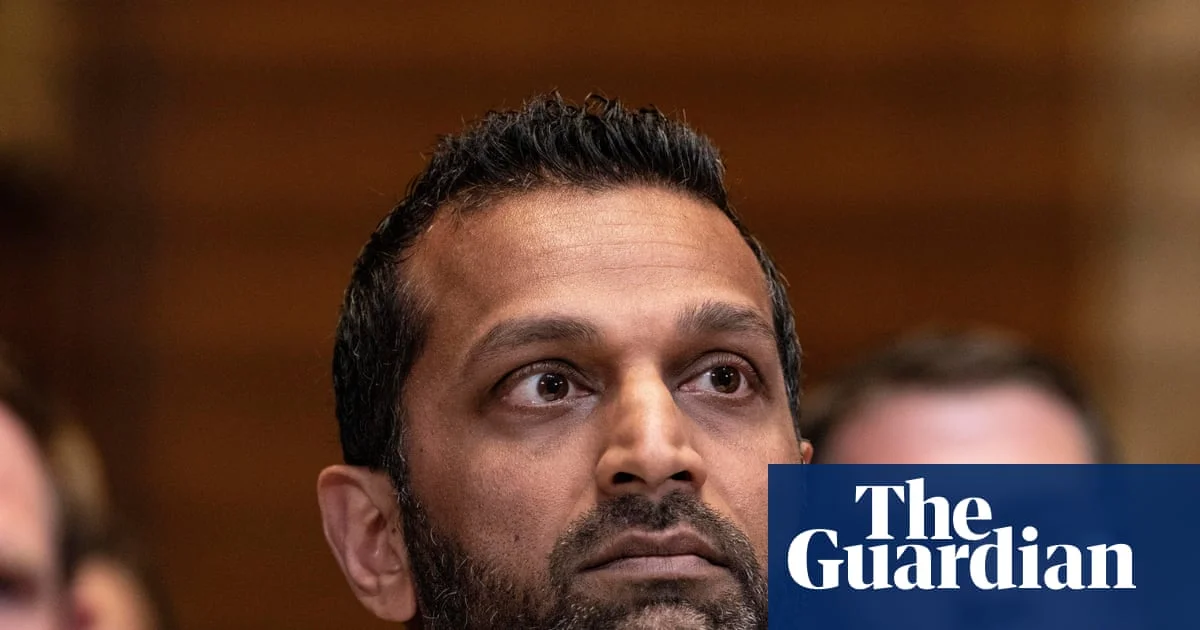
Kash Patel, the nominee for FBI Director, is facing intense scrutiny following reports of a "VIP snorkeling excursion" at the USS Arizona memorial in Hawaii. The site, which serves as a final resting place for over 1,000 US sailors and marines from the 1941 Pearl Harbor attack, is treated with extreme reverence. Reports from the Associated Press, citing government emails, suggest the outing occurred during a summer trip, raising questions about the professional conduct and temperament of a man slated to lead the United States' premier domestic intelligence and law enforcement agency. For observers in Tehran and the wider Middle East, Patel is known as a staunch "America First" hardliner whose appointment could signal a more aggressive and unpredictable US intelligence posture toward regional adversaries.
The timing of this controversy is critical as the US administration attempts to project stability amidst ongoing geopolitical friction. If Patel’s confirmation is derailed or if the FBI becomes embroiled in internal ethics scandals, it could weaken the US’s domestic focus and potentially shift its foreign policy priorities. Critics argue that such conduct demonstrates a lack of respect for military history, while supporters view the scrutiny as a politically motivated attempt to block a disruptor. Regardless of the outcome, the instability within the top tiers of US intelligence often translates into market volatility, as investors weigh the risks of a less coherent American security strategy in the Persian Gulf.

Iraq’s New Premier Signals Diplomatic Reset with Tehran
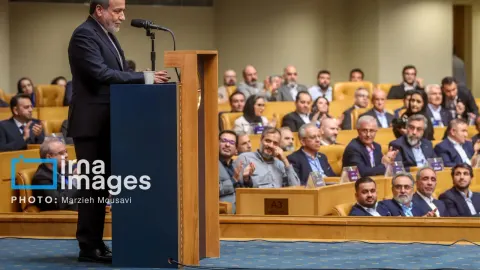
Iraq’s newly appointed Prime Minister, Ali Faleh al-Zaidi, has used his first formal address to signal a significant shift in Baghdad’s foreign policy. Emphasizing a vision based on "mutual respect," al-Zaidi pledged to expand Iraq's regional and international ties while restoring the nation’s standing in global affairs. This rhetoric is particularly resonant in Tehran, where the relationship with Baghdad is a cornerstone of regional security and economic strategy. A premier who seeks to balance ties between Arab neighbors, Western powers, and Iran could provide a much-needed buffer against the escalating tensions that have plagued the region in recent months.
For the Iranian economy, a stable and friendly government in Iraq is more than a diplomatic win; it is a vital economic lifeline. Iraq remains a primary destination for Iranian non-oil exports and a key partner in energy cooperation. Al-Zaidi’s focus on mutual respect suggests a move away from the zero-sum games of previous administrations, potentially leading to smoother trade corridors and more consistent cross-border financial flows. If this diplomatic reset holds, it could alleviate some of the pressure on the Toman, which often reacts to the stability of the "Suleimaniyah" and Baghdad currency markets.
The Fertilizer Crisis: A Looming Threat to Global Food Security
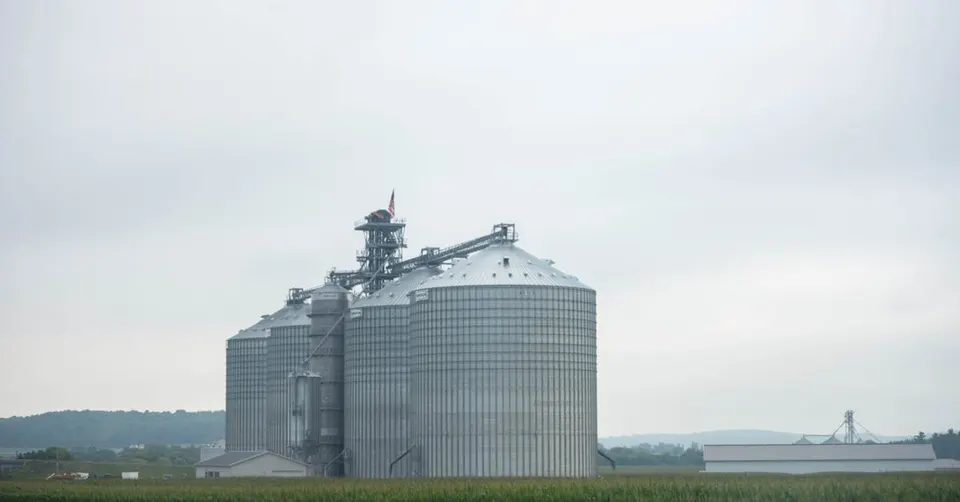
A new report from the International Energy Agency (IEA) warns that the world is currently facing the worst oil disruption in history, following recent military escalations in the Middle East. This energy shock has triggered a secondary crisis in the fertilizer industry, as high natural gas prices and trade disruptions between Asia and Europe have forced production cuts. Fertilizer is a critical input for global agriculture, and the current shortage threatens to lead to severe food scarcity in the coming months. This "silent killer" of economies could drive global inflation higher, even as central banks struggle to maintain control over interest rates.
In Iran, the impact of a global fertilizer shock is twofold. While Iran is a significant producer of petrochemicals and fertilizers, the disruption of global trade routes and the increase in shipping costs affect the domestic cost of living. As global food prices rise, the pressure on the Iranian government to provide subsidies increases, further straining the national budget. This macro-environment explains the persistent demand for "safe-haven" assets like gold, even when local prices experience short-term corrections. Investors are looking past the daily fluctuations and focusing on the long-term inflationary risks posed by a fractured global supply chain.
Market Analysis: Gold Softens as ‘HALO’ Stocks Offer New Hedge
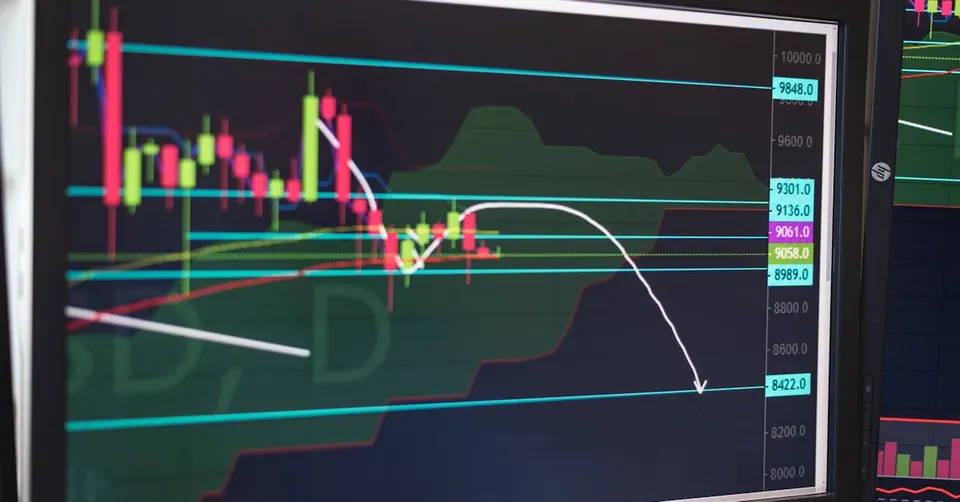
The Tehran market saw a notable cooling of prices this Saturday. The USD/IRR exchange rate moved from 180,400 to 179,900, representing a minor 0.3% decrease. However, the more significant movement was in the gold sector, where the Emami coin dropped from 197,000,000 to 193,500,000 Toman, a decline of 1.8%. This correction follows a period of intense speculative buying and suggests a temporary stabilization as traders digest the latest regional diplomatic signals. Despite this local dip, the global price of gold remains elevated at $4,541.20 per ounce, reflecting deep-seated international anxiety.
Meanwhile, institutional investors are increasingly turning toward "HALO" stocks—high capital-intensity, asset-heavy companies—as a hedge against the perceived AI bubble. While tech darlings like Cerebras have dominated headlines with massive IPOs, they have also shown significant cash-burn rates. In contrast, HALO stocks provide a more stable foundation during periods of high inflation and energy volatility. For Iranian investors, this global trend mirrors the local preference for tangible assets. When the "paper wealth" of tech or speculative crypto feels overextended, the market inevitably returns to the fundamental value of gold, energy, and heavy industry.
Geopolitical Casualties: From Bangkok to the DR Congo
Beyond the corridors of power in Washington and Tehran, the world has faced a series of tragic reminders of the fragility of modern infrastructure and public health. In Bangkok, a freight train plowed into city traffic, killing at least eight people and sparking a massive fire after a safety barrier failed to deploy. This incident highlights the infrastructure deficits that continue to plague rapidly growing urban centers. Simultaneously, the Democratic Republic of Congo has warned of a highly lethal Ebola outbreak with no available vaccine, a development that could trigger new global health concerns if not contained quickly.
These events, while geographically distant from the Middle East, contribute to a general sense of global instability that keeps markets on edge. For the reader in Iran, these stories serve as a reminder that geopolitical risk is not limited to sanctions or military conflict; it also encompasses the health of global trade routes and the resilience of international systems. As the world becomes more interconnected, a rail disaster in Thailand or a health crisis in Africa can have ripple effects on global sentiment, reinforcing the cautious, "risk-off" behavior currently seen in the Toman and gold markets.
Frequently Asked Questions
Why did the price of Emami coin drop by 1.8% today?
Who is Kash Patel and why is his scrutiny relevant to Iran?
How does the global fertilizer crisis affect the Iranian economy?
What are 'HALO' stocks mentioned in the market analysis?
Topics
Related Articles