Bangkok Rail Tragedy and Nigerian Mass Kidnappings Rattle Global Sentiment as Gold Prices Soften in Tehran
فاجعه ریلی در بانکوک و آدمربایی گسترده در نیجریه؛ عقبنشینی قیمت طلا و سکه در بازار تهران
A horrific train collision in Bangkok and a mass kidnapping of schoolchildren in Nigeria have dominated global headlines, while Iranian markets see a slight cooling in gold and currency prices.
At time of publishing
USD
180,100
Toman
Gold 18K
19.80M
Toman / gram
Bitcoin
$77,954
US Dollar
Tether
17,909.7
Toman
Tragic Rail Collision in Bangkok Leaves Eight Dead
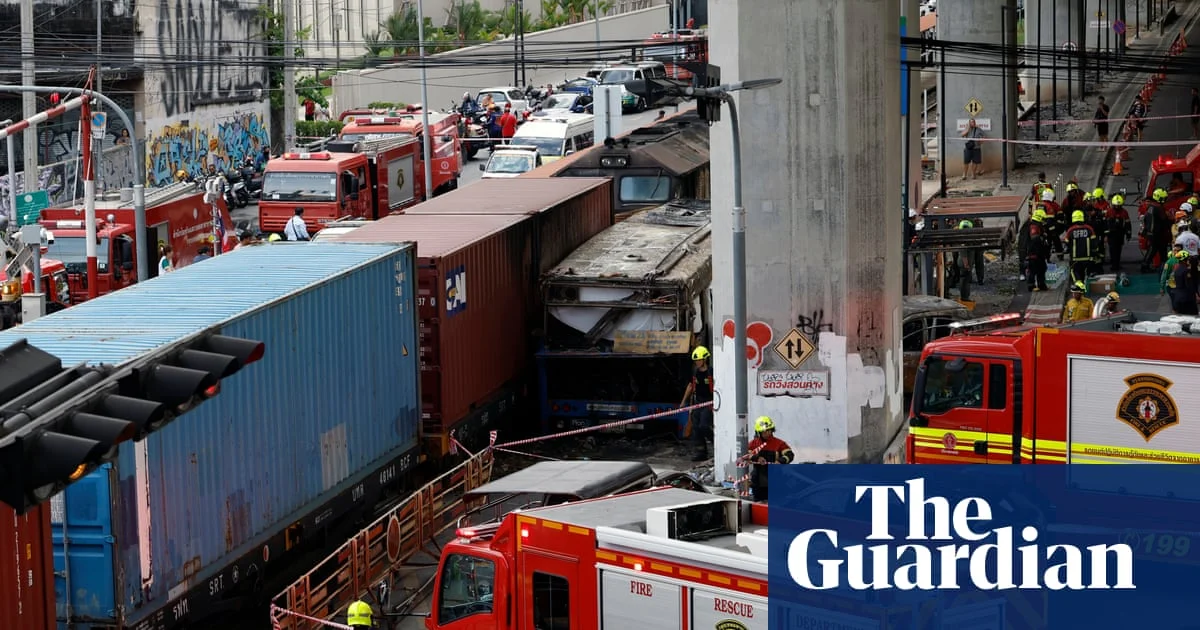
A devastating accident occurred at a rail crossing near Bangkok’s Makkasan station, where a freight train collided with a passenger bus, resulting in at least eight fatalities and 32 injuries. According to Thai authorities, the impact was so severe that it triggered a massive fire, which quickly spread to nearby cars and motorcycles. Emergency responders and firefighters were dispatched to the scene close to the airport rail link, working for hours to contain the blaze and extract victims from the charred remains of the vehicles. This incident has raised immediate concerns regarding infrastructure safety in one of Southeast Asia's busiest transit hubs.
Beyond the immediate human cost, the accident highlights the persistent risks in Thailand’s transportation network, which often struggles with unregulated crossings and aging rail infrastructure. For international observers and investors, such events can lead to increased pressure on the Thai Ministry of Transport to accelerate modernization projects. While the immediate impact on global markets is localized, it underscores the logistical vulnerabilities in regional trade routes and the high cost of delayed infrastructure upgrades in rapidly urbanizing nations.

Mass Kidnapping of Schoolchildren in Nigeria's Borno State
In a chilling escalation of regional instability, more than 50 schoolchildren, including toddlers, were kidnapped in the town of Mussa, located in Nigeria's Borno state. While no group has officially claimed responsibility, the region has long been a stronghold for insurgent groups like Boko Haram and ISWAP. The attack has devastated the local community and sent shockwaves through the Nigerian government, which is facing renewed criticism over its inability to secure educational institutions in the northern territories. This mass abduction serves as a grim reminder of the deteriorating security landscape in West Africa.
For the global community, this event is more than a humanitarian crisis; it is a signal of growing geopolitical risk in a region critical to energy and mineral exports. Persistent instability in Nigeria, Africa’s most populous nation, often translates into a higher risk premium for emerging market assets. Furthermore, the targeting of children and educational centers suggests a shift toward more aggressive tactics by extremist groups, potentially necessitating a shift in international military and intelligence cooperation to prevent a total collapse of security in the Sahel region.
Domestic Markets: Gold and Coin Prices Lead the Retreat
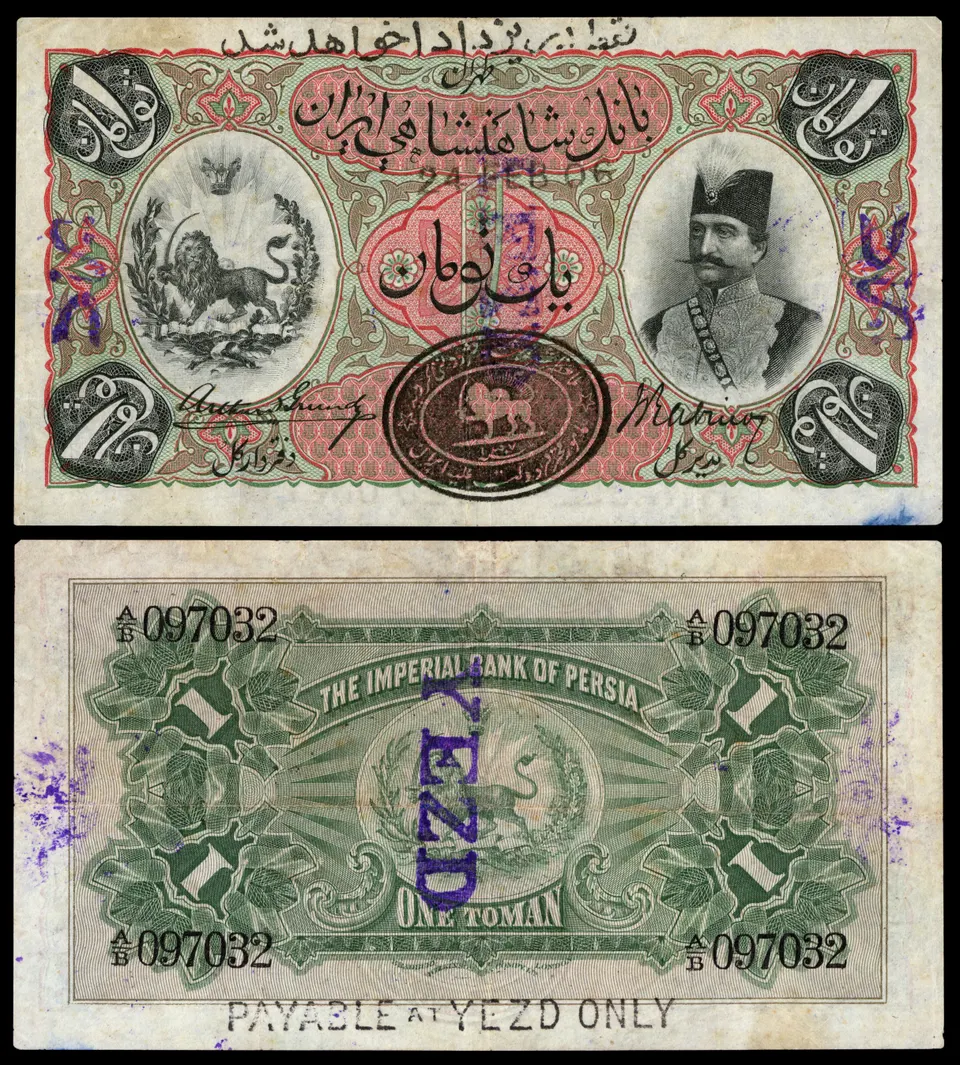
The Iranian market is experiencing a notable correction this Saturday evening. The USD/IRR exchange rate, which has been a primary concern for local traders, saw a slight dip from 180,400 to 180,100 Toman, representing a 0.2% decrease. However, the more significant movement was observed in the gold sector. Emami coin prices fell from 197,000,000 to 194,000,000 Toman, a sharp 1.5% decline within a 24-hour window. Gold 18k also followed suit, dropping from 19,890,345 to 19,795,696 Toman per gram (-0.5%).
This softening of prices suggests a period of profit-taking among investors who had flooded into safe-haven assets earlier in the week. Despite the global gold ounce remaining high at $4,541.20, the local Iranian market seems to be reacting to a temporary easing of immediate regional tensions and a recalibration of domestic demand. For the average Iranian saver, this dip offers a momentary reprieve, though the underlying inflationary pressures and global geopolitical uncertainty remain the dominant long-term drivers of the Toman's value.
Industrial Insights: Neo Performance and Rare Earth Stability
On the corporate front, Neo Performance Materials released its Q1 earnings, providing a crucial snapshot into the health of the rare earth and advanced materials sector. As a key player in the supply chain for electric vehicles and high-tech electronics, Neo’s performance is often viewed as a bellwether for the broader tech industry. The highlights from the earnings call suggest that while demand remains robust, supply chain complexities and fluctuating raw material costs continue to challenge profit margins. This is particularly relevant as global powers like the U.S. and China continue to jockey for control over critical mineral resources.
What this means for the tech-focused investor is a shift toward companies that can secure reliable, non-concentrated supply chains. The rare earth market is no longer just a niche industrial sector; it is the front line of the technological cold war. As firms like Neo navigate these waters, their ability to maintain operational efficiency amidst geopolitical friction will determine the pace of innovation in sectors ranging from renewable energy to advanced aerospace engineering. Investors are keeping a close eye on these earnings as indicators of whether the tech sector can sustain its current growth trajectory.

Frequently Asked Questions
Why did the gold price drop in Tehran despite the high global ounce?
What is the significance of the train accident in Bangkok for regional trade?
How do the kidnappings in Nigeria affect global emerging markets?
Why is Neo Performance Materials' earnings call important for tech investors?
Gold as a Safe-Haven Asset: Navigating Global Uncertainty
In times of widespread economic instability or geopolitical turmoil, investors often seek refuge in assets perceived to be stable and reliable. This brings us to the concept of gold as a safe-haven asset. Gold has historically served as a store of value, maintaining its purchasing power across centuries and various economic systems. Unlike fiat currencies, which are backed by government decree, or stocks, whose value is tied to corporate performance, gold possesses intrinsic value and is not subject to the same counterparty risks. Its tangible nature and universal acceptance make it a preferred choice when confidence in traditional financial markets wavers.
The mechanism behind gold's safe-haven appeal is straightforward: when crises erupt—be it a major rail tragedy, regional conflict, or widespread economic fear—investors tend to sell off riskier assets like equities and bonds. The capital from these sales often flows into assets considered less volatile, with gold being a prime candidate. This increased demand drives up its price. The headline's mention of global sentiment being "rattled" by events like the Bangkok rail tragedy and Nigerian kidnappings would typically suggest an environment where gold prices might rise, reflecting this flight to safety.
However, the headline also notes that gold prices "soften in Tehran," illustrating the complex interplay of factors that influence its value. While global sentiment is a significant driver, it's not the only one. The strength of the US dollar, for instance, often has an inverse relationship with gold; a stronger dollar makes gold more expensive for holders of other currencies, potentially dampening demand. Similarly, rising interest rates can make non-yielding assets like gold less attractive compared to interest-bearing alternatives.
Local market dynamics, such as the USD to IRR exchange rate in Iran or specific supply-demand conditions, can also exert considerable influence, sometimes overriding broader global trends. Therefore, while gold's role as a safe haven is fundamental to understanding its market behavior, its price movements are a delicate balance of global fears, currency valuations, monetary policy, and local economic realities. The softening of gold in Tehran amidst global concerns highlights that even the most reliable safe haven is subject to a multifaceted array of pressures, requiring a nuanced understanding of market forces beyond just headline-grabbing events.
Topics
Related Articles