Epstein Associates Sued, Ukraine Talks Resume, GM Embraces Hybrids Amid Market Swings
اتهام شرکا و حسابدار اپستین، از سرگیری مذاکرات اوکراین، و روی آوردن جنرال موتورز به هیبریدیها در میان نوسانات بازار
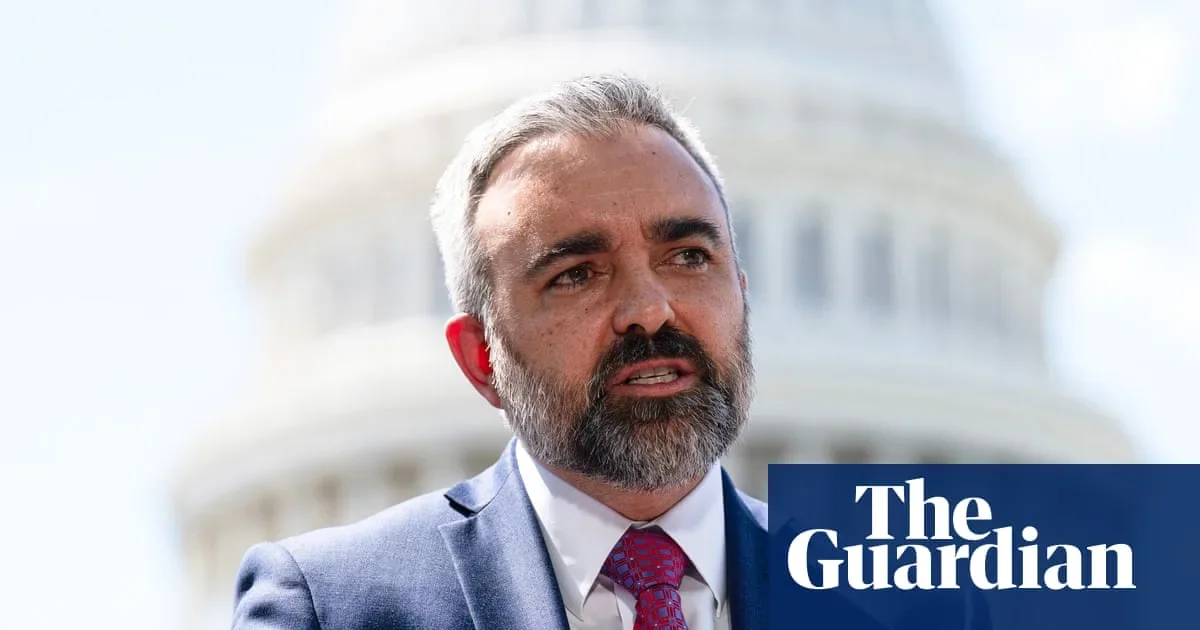
New legal action targets Jeffrey Epstein's inner circle, accusing his attorney and accountant of facilitating his crimes. Meanwhile, diplomatic efforts for Ukraine show signs of life with Russia readying for talks, and in the automotive sector, General Motors is set to introduce hybrid vehicles as US gas prices remain elevated.
At time of publishing
USD
267,900
Toman
Gold 18K
27.15M
Toman / gram
Bitcoin
$84,712
US Dollar
Tether
266,296
Toman
Epstein's Inner Circle Accused in New Mexico Lawsuit
New Mexico has filed a civil lawsuit against Jeffrey Epstein's long-time attorney, Darren Indyke, and accountant, Richard Kahn. The lawsuit accuses them of actively facilitating and concealing the late financier's criminal activities. The state is seeking to prevent Indyke and Kahn, who are also serving as co-executors of Epstein's estate, from receiving any compensation from his assets while legal proceedings are ongoing. The complaint, filed in the U.S. District Court for the District of New Mexico, names the Epstein estate and the 1953 Trust, which holds the majority of its assets, as defendants alongside the individuals.
This legal development sheds further light on the complex web of individuals allegedly involved in or aware of Epstein's extensive network of abuse and exploitation. By targeting his closest professional associates, New Mexico aims to hold those who allegedly profited from or enabled his crimes accountable. The lawsuit argues that Indyke and Kahn received substantial salaries in exchange for furthering Epstein's "criminal project," suggesting a direct link between their professional roles and the continuation of his illicit enterprises. The implications of this suit could extend to the distribution of Epstein's remaining wealth and potentially uncover further details about his operations.

---
Russia Signals Readiness for Ukraine Talks Amid Shifting Diplomacy
Russia has indicated its willingness to resume talks with Ukraine and the United States aimed at ending the ongoing conflict. This announcement follows a meeting between Russian President Vladimir Putin and Steve Witkoff, a special envoy reportedly representing the Trump administration, in St. Petersburg. The diplomatic overture suggests a potential thaw in relations, though the specifics of any proposed negotiations remain unclear. The context of this development is a broader narrative where certain U.S. figures are engaging with Russian leadership, with reports suggesting that such interactions may involve downplaying the severity of the situation in Ukraine from the U.S. side.
The situation on the ground in Ukraine remains tense, with children reportedly taking cover amidst ongoing hostilities. The U.S. administration's approach, as described by some reports, involves a strategy of "maximum pressure" on Kyiv combined with what's termed "saccharine flattery" of the Kremlin. This dual approach has drawn criticism, with accusations that the U.S. may be feeding misleading information to Russia regarding the conflict's realities. The readiness for talks, however, presents a fragile opportunity for de-escalation, though the underlying political dynamics and trust deficits between the involved parties pose significant hurdles.

---
General Motors to Introduce Hybrids as US Gas Prices Persist Above $4
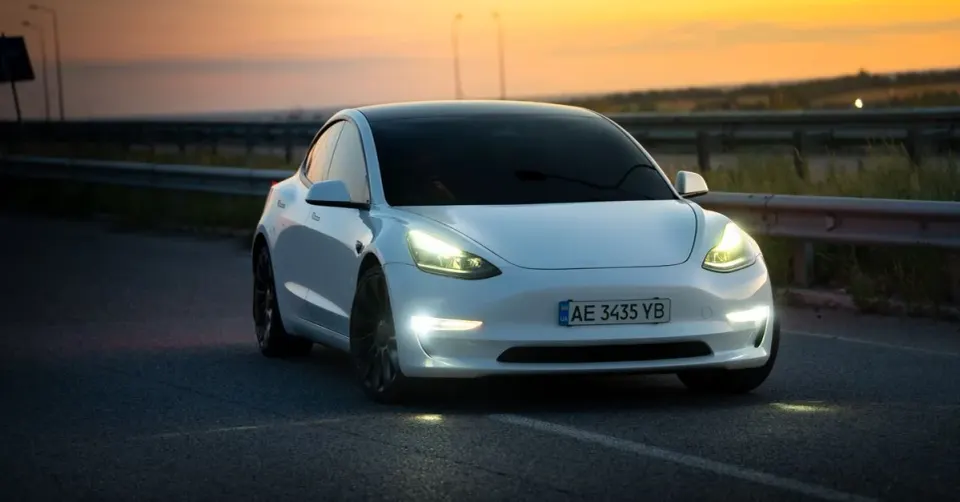
General Motors CEO Mary Barra announced that the automotive giant will be adding hybrid options across multiple vehicle segments. This strategic shift comes as gasoline prices in the United States remain stubbornly above the $4 per gallon mark, significantly higher than the previous year. Barra's comments were made during the company's third-quarter earnings call, signaling a proactive response to market conditions and consumer demand for more fuel-efficient vehicles. The move positions GM to better compete with manufacturers like Toyota, which has seen a substantial increase in electrified vehicle sales.
The decision to integrate hybrids reflects a broader industry trend and a recognition of the current economic landscape. With gas prices showing little sign of significant decline, consumers are increasingly seeking alternatives to traditional internal combustion engines. GM's commitment to hybrids, detailed further at launch, suggests an effort to balance evolving environmental concerns with the practicalities of everyday driving and existing infrastructure. This move is also seen in the context of GM's third-quarter sales performance, which saw a 6% dip in the U.S., while competitors leveraging greener technologies have shown robust growth.
Frequently Asked Questions
What are the specific accusations against Epstein's attorney and accountant?
What is Russia's current stance on negotiations with Ukraine?
Why is General Motors introducing hybrid vehicles now?
What is the significance of the new poll regarding US politics?
How Hybrid Cars Work and Why They Matter
Hybrid electric vehicles (HEVs) combine an internal‑combustion engine with an electric motor and a modest battery pack. The two power sources are managed by a sophisticated control system that decides when to run the engine, when to draw electricity, and when to recharge the battery through regenerative braking. In city driving, the electric motor often does most of the work, while on highways the gasoline engine kicks in to provide extra power and recharge the battery. This split‑fuel approach lets hybrids achieve fuel‑economy ratings 20‑40% better than comparable conventional cars, cutting drivers’ fuel bills and reducing tail‑pipe emissions.
The rise of hybrids is closely tied to fluctuating gas prices and stricter emissions regulations. When gasoline prices spike, consumers look for ways to stretch each gallon, and automakers respond by expanding hybrid line‑ups. At the same time, governments worldwide impose fuel‑efficiency standards—such as the U.S. Corporate Average Fuel Economy (CAFE) rules—that reward manufacturers for producing lower‑emission vehicles. General Motors, for example, has pledged to increase its hybrid and electric offerings, seeing hybrids as a bridge technology toward a fully electric future while still leveraging its existing manufacturing base.
Hybrid technology also illustrates a broader energy transition strategy known as “electrification of transport.” By integrating electric propulsion incrementally, hybrids reduce dependence on oil without requiring the massive charging infrastructure needed for pure battery‑electric vehicles (BEVs). This makes them especially attractive in regions where the electric grid is still developing or where long‑distance travel is common. As battery costs continue to fall, the line between hybrids and plug‑in hybrids (PHEVs) blurs, offering drivers the flexibility to charge from the grid and still benefit from gasoline backup on longer trips.
Understanding hybrids helps consumers evaluate total‑ownership costs, not just the sticker price. While hybrids can be pricier upfront, tax credits, lower fuel consumption, and reduced maintenance—thanks to less wear on the gasoline engine—often offset the premium over the vehicle’s lifetime. As the automotive market adapts to volatile fuel markets and climate goals, hybrids remain a practical, transitional technology that bridges today’s needs with tomorrow’s clean‑energy aspirations.
Topics
Related Articles