Trump's Approval Hits New Low Ahead of Midterms; Iran-Iraq Eye Tourism Boom Amid Regional Tensions
محبوبیت ترامپ پیش از انتخابات میاندورهای به پایینترین حد رسید؛ ایران و عراق به دنبال افزایش گردشگری
Donald Trump's approval rating has plummeted to a new low of 36% just two weeks before the US midterm elections, driven by voter frustration over the economy and the 'Iran war.' This political turbulence coincides with significant gains in the Iranian currency and gold markets. Meanwhile, Iran and Iraq are pushing to dramatically increase tourist exchanges, while a devastating drone strike in Sudan highlights escalating regional conflicts.
At time of publishing
USD
267,100
Toman
Gold 18K
27.08M
Toman / gram
Bitcoin
$84,614
US Dollar
Tether
265,500
Toman
Trump's Approval Tanks to 36% Ahead of Critical Midterms
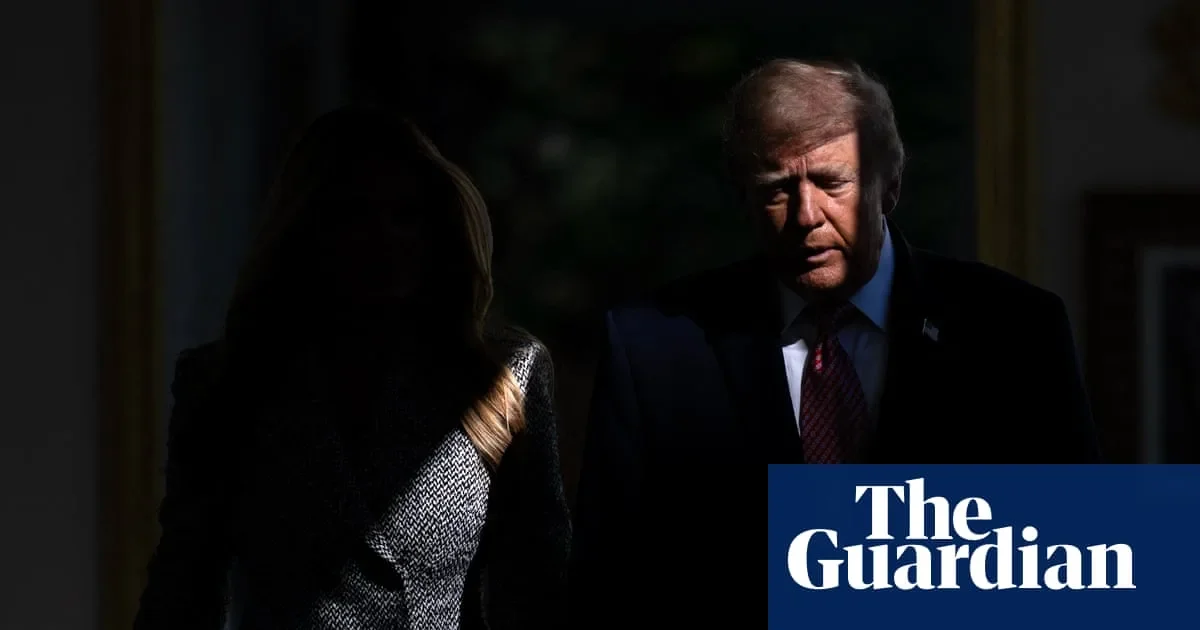
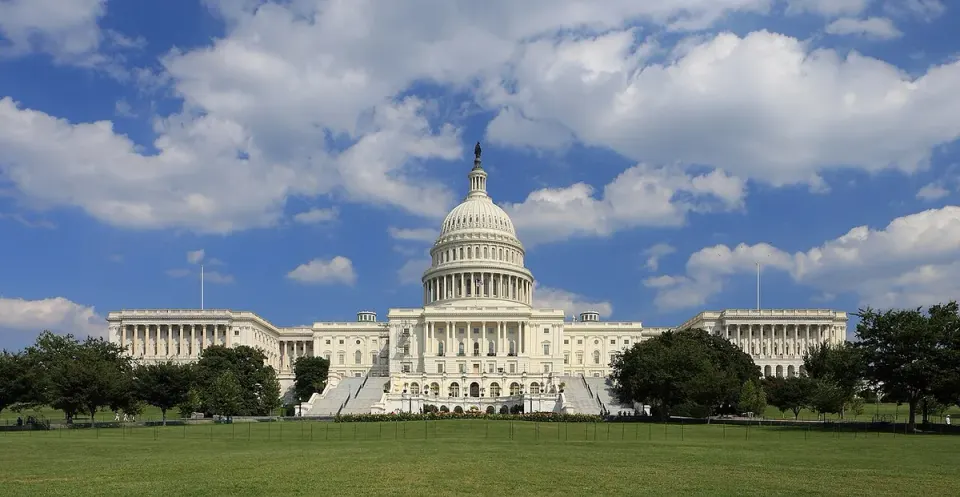
Donald Trump's approval rating has plummeted to a new low of 36% just two weeks before the crucial US midterm elections, according to a recent New York Times/Siena College poll. This significant drop reflects widespread voter dissatisfaction, with a majority expressing frustration over his administration's handling of the US economy, the rising cost of living, and what the poll terms the 'Iran war.' The survey also indicates that Democrats now hold an 11-point lead among likely voters, signaling a potentially challenging landscape for the Republican party.
This decline in approval is not merely a political statistic; it carries tangible implications for US policy, both domestic and international. A weakened executive branch, particularly if Democrats make substantial gains in Congress, could signal a shift in Washington's approach to global affairs, including its stance on Iran. The mention of the 'Iran war' in the poll likely refers to the ongoing geopolitical tensions, proxy conflicts, and economic pressures rather than a direct military engagement, but sustained public disapproval could force a reevaluation of current strategies. Such political uncertainty often reverberates through global markets, influencing investor confidence and currency stability.
For Iranian markets, the perceived instability in US politics can fuel existing anxieties. Today, the USD/IRR exchange rate moved from 263,700 to 267,100, marking a +1.3% increase, reflecting a broader sentiment that may be influenced by global political developments and domestic economic pressures. Similarly, gold prices saw notable gains, with Gold 18k/gram rising from 26,457,823 to 27,083,429 (+2.4%), and the Emami coin increasing from 266,500,000 to 269,000,000 (+0.9%). These movements suggest a flight to perceived safe havens amidst a climate of political and economic uncertainty, both domestically and internationally.
Iran and Iraq Target 10 Million Tourist Exchanges
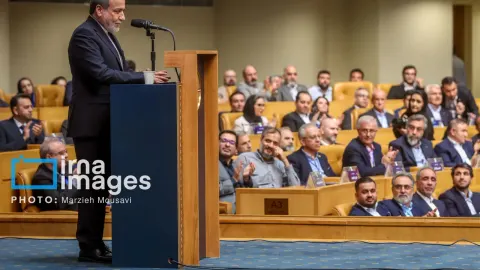
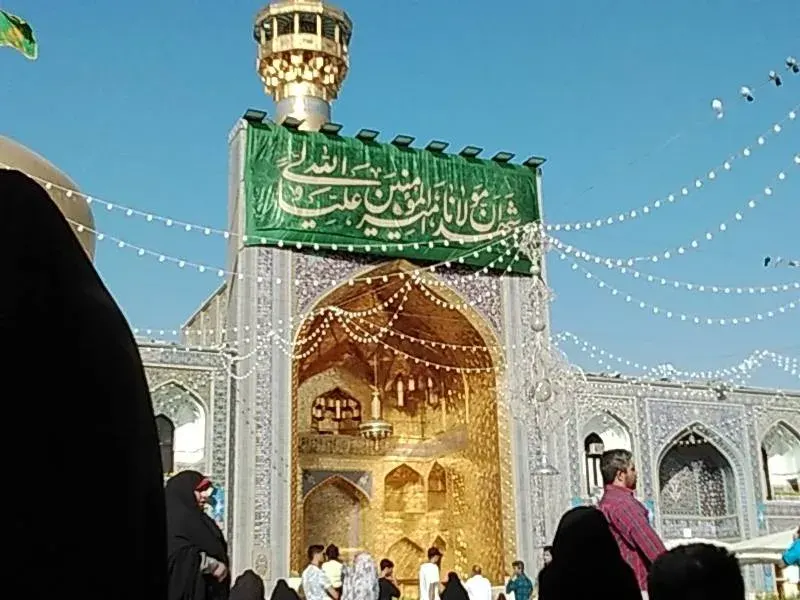
Iran and Iraq are setting an ambitious goal to increase their annual tourist exchanges to 10 million people, as announced by Iranian Tourism Minister Reza Salehi-Amiri. Speaking from Ahvaz, the minister stressed the critical need for new strategic planning and robust cross-border infrastructure to achieve this significant target. This initiative underscores a concerted effort by both nations to leverage their shared cultural and religious heritage for economic benefit.
This push for enhanced tourism is driven by deep historical and spiritual ties, particularly pilgrimage tourism, which sees millions of visitors cross the border annually. Expanding and formalizing these exchanges could provide a substantial economic boost, helping to diversify revenue streams away from a heavy reliance on oil. For Iran, in particular, a thriving tourism sector offers a vital avenue for generating foreign currency and fostering economic growth, especially in the face of persistent international sanctions. The focus on non-oil sectors signifies a strategic shift towards more sustainable and resilient economic development.
Devastating Drone Strike Kills Over 150 in Sudan's Abyei Region
A horrific drone strike in Abyei, a disputed border region central to Sudan's ongoing civil war, has reportedly killed more than 150 people. The New York Times reports that both warring factions are increasingly relying on drone technology to conduct strikes across vast distances, leading to catastrophic tolls on civilian populations. This incident tragically highlights the escalating brutality and indiscriminate nature of the conflict, where advanced weaponry is inflicting immense suffering on non-combatants.
The proliferation of drone warfare has dramatically intensified the conflict, allowing combatants to bypass traditional frontlines and strike deep into civilian areas with relative ease. This particular attack underscores the urgent humanitarian crisis unfolding in Sudan and the devastating impact of modern warfare technologies. For the international community, it raises critical questions about the regulation of drone sales and use, and the imperative for more effective mechanisms to protect civilians in conflict zones. The ongoing instability in Sudan continues to be a source of regional concern, contributing to displacement and humanitarian challenges across East Africa.
Fast-Track Trials Underway for Riot Suspects in France
In France, fast-track trials for individuals arrested during recent widespread unrest are proceeding at the Tribunal de Paris. The New York Times describes these hearings as expedited and often chaotic, reflecting the French government's swift judicial response to the disturbances that swept across the nation. This approach aims to quickly process a large volume of suspects, sending a clear message about maintaining public order.
The rationale behind these rapid trials is to deter further unrest and demonstrate the state's firm resolve in upholding law and order. By swiftly prosecuting those involved in property damage and violence, authorities hope to restore public confidence and prevent a recurrence of the widespread protests. However, the speed of these proceedings has also sparked debate among legal experts and human rights advocates, who raise concerns about the potential for due process to be compromised in the rush to deliver justice.
While a domestic French issue, the handling of social unrest and the judicial response to it offer insights into broader challenges faced by states globally. For nations like Iran, which frequently grapple with internal social pressures and protests, observing such processes in Western democracies can provide context for different governance approaches to civil disobedience and public order, albeit through distinct legal and political frameworks.
Frequently Asked Questions
What factors led to Donald Trump's approval rating dropping to 36%?
How might the US midterm election results impact Iranian markets or US policy towards Iran?
What is the significance of Iran and Iraq aiming for 10 million tourist exchanges?
What are the humanitarian implications of the drone strike in Sudan's Abyei region?
What are 'fast-track trials' in France, and why are they being used for riot suspects?
Economic Sanctions and Strategies for Resilience
Economic sanctions are powerful foreign policy tools employed by countries or international bodies to exert pressure on other governments. Their primary goal is typically to induce a change in the political, economic, or security behavior of a target nation. However, while intended to influence governments, these sanctions often have profound and widespread impacts on the daily lives of ordinary citizens, affecting their livelihoods and access to essential goods and services.
The economic consequences within a sanctioned country are often severe and far-reaching. These include significant currency devaluation (such as the fluctuations seen in the USD/IRR exchange rate in Iran), rampant inflation that erodes purchasing power, a sharp reduction in foreign investment, and severe disruptions to supply chains. These factors collectively lead to a decline in living standards and compel the targeted nation to seek alternative economic pathways and develop strategies for survival and adaptation.
In response to these pressures, countries under sanctions often develop various strategies to build economic resilience. A key approach is economic diversification, which involves reducing reliance on heavily sanctioned sectors—like oil exports, in the case of Iran—and developing non-traditional revenue streams. The promotion of tourism, as exemplified by the efforts between Iran and Iraq, can be a critical component of this strategy, providing much-needed foreign currency, creating employment opportunities, and fostering regional economic ties.
Other resilience strategies include strengthening regional trade agreements to bypass global systems controlled by sanctioning powers, fostering domestic industries for import substitution to reduce external dependency, and sometimes resorting to informal or barter systems to circumvent international financial restrictions. The overarching aim of these measures is to lessen vulnerability and build a more self-sufficient economy capable of enduring prolonged external pressures.
Topics
Related Articles