Moscow Shaken by Massive Drone Wave as Israeli Outposts Uncovered in Iraqi Desert
حمله گسترده پهپادی به قلب مسکو و افشای پایگاههای مخفی اسرائیل در صحرای عراق
Ukraine launches one of its largest drone strikes on the Moscow region, while reports emerge of secret Israeli bases in Iraq. Meanwhile, the Iranian Toman weakens slightly as regional tensions drive gold and currency prices higher.
At time of publishing
USD
181,400
Toman
Gold 18K
19.94M
Toman / gram
Bitcoin
$78,450
US Dollar
Tether
18,070
Toman
Massive Drone Swarm Targets Moscow Region
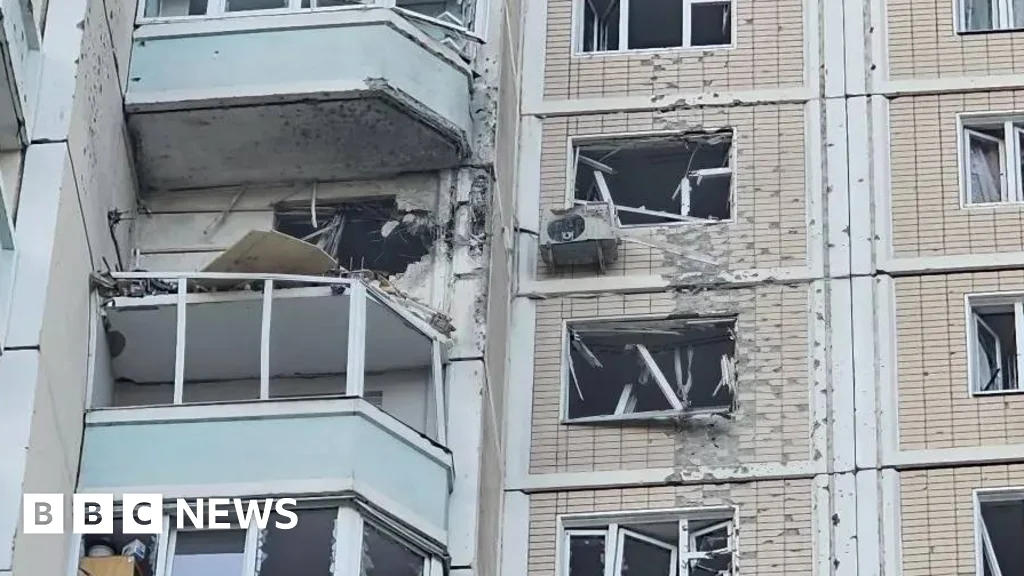
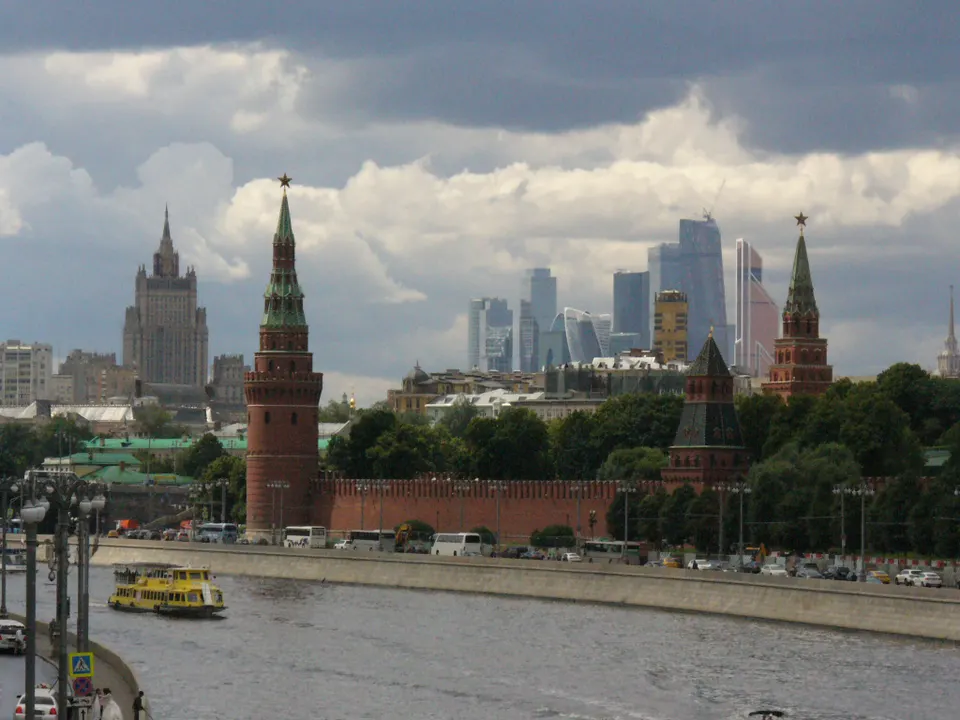
In one of the largest aerial escalations since the conflict began, Ukraine launched a massive drone offensive targeting the Moscow region and several other Russian provinces. According to Russian officials, over 550 drones were intercepted or shot down in a wave of strikes that killed at least three people in the capital's outskirts. President Volodymyr Zelenskyy described the operation as a "justified" response to Russia’s ongoing strikes against Ukrainian infrastructure, signaling a shift in Kyiv's strategy to bring the costs of the war directly to the Russian heartland.
This escalation places immense pressure on Russian air defense systems, which are now being forced to defend high-value political and economic targets far from the front lines. For global markets, this surge in kinetic activity near Moscow raises concerns about potential retaliatory strikes on energy infrastructure, which could further destabilize global oil and gas prices. The sheer volume of the drone swarm—unprecedented in its scale—suggests that Ukraine has significantly ramped up its domestic production of long-range loitering munitions, creating a new and unpredictable variable in the conflict's geography.
Secret Israeli Outposts and Cultural Damage in Iran
Geopolitical tensions in the Middle East have taken a sharp turn following reports from the New York Times regarding secret Israeli outposts in the Iraqi desert. These facilities, which reportedly operated under high secrecy for months, were allegedly used to monitor and potentially launch operations against Iranian interests. While Iraqi officials have since confirmed the existence of a second base, the discovery underscores the deepening "shadow war" between Israel and Iran, moving beyond direct missile exchanges into complex intelligence and staging operations across third-party territories.
Domestically, Iranian officials are highlighting the heavy cost of recent hostilities. The deputy cultural heritage minister reported that 149 historical sites across 18 provinces have been damaged due to what Tehran describes as "US-Israeli aggression." With losses estimated at over 75 trillion rials, the damage to Iran’s historical fabric adds a cultural dimension to the ongoing conflict. This narrative is being used by Tehran to solidify domestic sentiment and international legal claims, even as the regional security architecture remains on a knife-edge following the martyrdom of high-ranking commanders during fragile ceasefire periods.
Market Reaction: Toman Weakens as Bitcoin Slides
The Iranian financial markets are reflecting the heightened regional anxiety. During today's session, the USD/IRR exchange rate moved from 180,100 to 181,400, marking a 0.7% increase in the value of the dollar against the Toman. This upward pressure extended to the gold market, where 18k gold rose from 19,795,696 to 19,937,901 Toman per gram (+0.7%), and the Emami coin saw a 0.5% gain to reach 194,500,000 Toman. These movements suggest that local investors are seeking refuge in hard assets as headlines regarding secret bases and drone strikes dominate the news cycle.
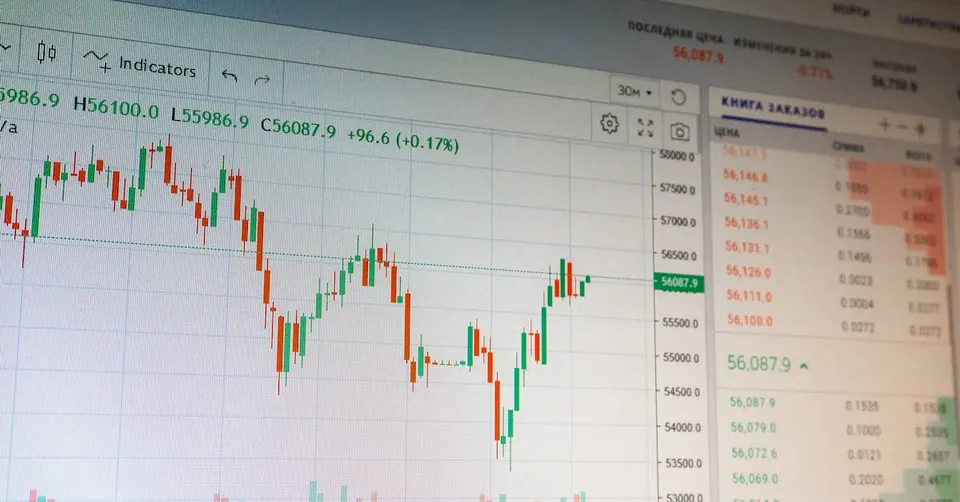
In the cryptocurrency space, Bitcoin has struggled to maintain its footing, sliding below the $79,000 mark to trade at approximately $78,450. Analysts point to a combination of macro fears and the uncertainty of the Iran-Israel conflict as primary drivers for this dip. While some institutional players, like Italy’s Intesa Sanpaolo, are doubling down on their crypto holdings, the immediate retail sentiment remains cautious. The "war premium" currently baked into Iranian asset prices reflects a broader trend of hedging against potential disruptions in trade and energy flows through the Persian Gulf.
Espionage and Sports: The Shadow War and the World Cup
Beyond the battlefield, the legal and symbolic struggle between Tehran and Washington continues. The FBI has announced a $200,000 reward for information leading to the capture of Monica Witt, a former U.S. Air Force counterintelligence specialist who defected to Iran. This move highlights the long-term nature of the intelligence war, as the U.S. continues to pursue individuals it accuses of revealing classified defense information to Iranian authorities. Such developments serve as a reminder that the confrontation is played out in courtrooms and through intelligence agencies as much as it is through military hardware.
On a more positive note, the world of sports provides a rare bridge for international engagement. FIFA Secretary-General Mattias Grafström recently met with Iranian Football Federation representatives, expressing optimism about Iran’s participation in the 2026 World Cup. While the geopolitical landscape remains fraught with tension, the potential for Iranian presence on the global stage in 2026 offers a glimpse of normalized relations. However, for the average citizen, the immediate concerns remain the fluctuating prices of basic goods and the security implications of the ongoing drone and intelligence wars across the region.
Frequently Asked Questions
What was the scale of the drone attack on Moscow?
Where were the secret Israeli outposts discovered?
How did the Iranian market react to these geopolitical events?
Understanding Proxy Warfare in a Complex World
Proxy warfare is a form of indirect conflict where major powers or states engage in hostilities through third parties, rather than confronting each other directly. These third parties can be state actors, non-state armed groups, or even political factions within a country. The primary motivation behind proxy conflicts is often to advance geopolitical interests, weaken rivals, or project influence without incurring the high costs, risks of direct military escalation, or international condemnation associated with overt intervention. It allows states to maintain a degree of deniability, making it harder to attribute responsibility and thus avoiding a full-scale war.
Historically, proxy wars were a defining feature of the Cold War, with the United States and the Soviet Union supporting opposing sides in conflicts across Asia, Africa, and Latin America. In contemporary geopolitics, the Middle East is a prominent arena for proxy conflicts, where regional powers and global actors often back various militias, political groups, or even state governments to further their strategic agendas. The recent headlines, such as drone attacks on Moscow or the alleged uncovering of foreign outposts in Iraq, can be understood within this framework, suggesting a complex web of indirect confrontations and covert operations between rival states.
The mechanisms of proxy warfare are diverse and can include financial aid, military training, provision of weapons and intelligence, diplomatic support, and even media campaigns. While seemingly a "safer" alternative to direct war for the instigating powers, proxy conflicts often lead to prolonged instability, humanitarian crises, and the proliferation of armed groups in the affected regions. They blur the lines of accountability, making conflict resolution exceedingly difficult and leaving local populations to bear the brunt of external rivalries. Understanding proxy warfare is crucial for deciphering the intricate dynamics of modern international relations and the hidden hands shaping global events.
Topics
Related Articles