Haiti Election Crisis, Trump's Fed Threat, and OpenAI Lawsuits Dominate Global Brief
بحران انتخابات هائیتی، تهدید ترامپ به فدرال رزرو و پروندههای شکایت از OpenAI در خبرنامه جهانی
Haiti faces an uncertain election scheduled for December amidst escalating gang violence, while former President Trump threatens international trade if the Federal Reserve doesn't lower interest rates. Meanwhile, OpenAI is hit with new lawsuits from survivors of a shooting incident linked to ChatGPT.
At time of publishing
USD
221,900
Toman
Gold 18K
23.14M
Toman / gram
Bitcoin
$79,603
US Dollar
Tether
220,996
Toman
Haiti on Brink as Gang Violence Threatens December Elections
Haitian officials have set a precarious election date for December 13th, a move met with widespread skepticism by experts who foresee extreme violence likely forcing a postponement. The Caribbean nation has been gripped by escalating gang warfare, leaving large swathes of the capital, Port-au-Prince, under the control of heavily armed factions. This pervasive insecurity not only cripples daily life and economic activity but also poses an insurmountable challenge to organizing free and fair elections, raising serious questions about the legitimacy and feasibility of the planned vote.
The backdrop of this political instability is a humanitarian crisis, with widespread displacement, food shortages, and a breakdown of essential services. The international community has expressed concern, but concrete actions to quell the violence and facilitate a stable electoral process have been insufficient. The decision to proceed with elections under such dire circumstances suggests a potential disconnect between official pronouncements and the harsh reality on the ground. The implications for Haiti are profound: a failed election could deepen the country's political paralysis and exacerbate the ongoing humanitarian catastrophe, potentially leading to further regional instability.
---
Trump Leverages Trade Threats in Fed Interest Rate Battle
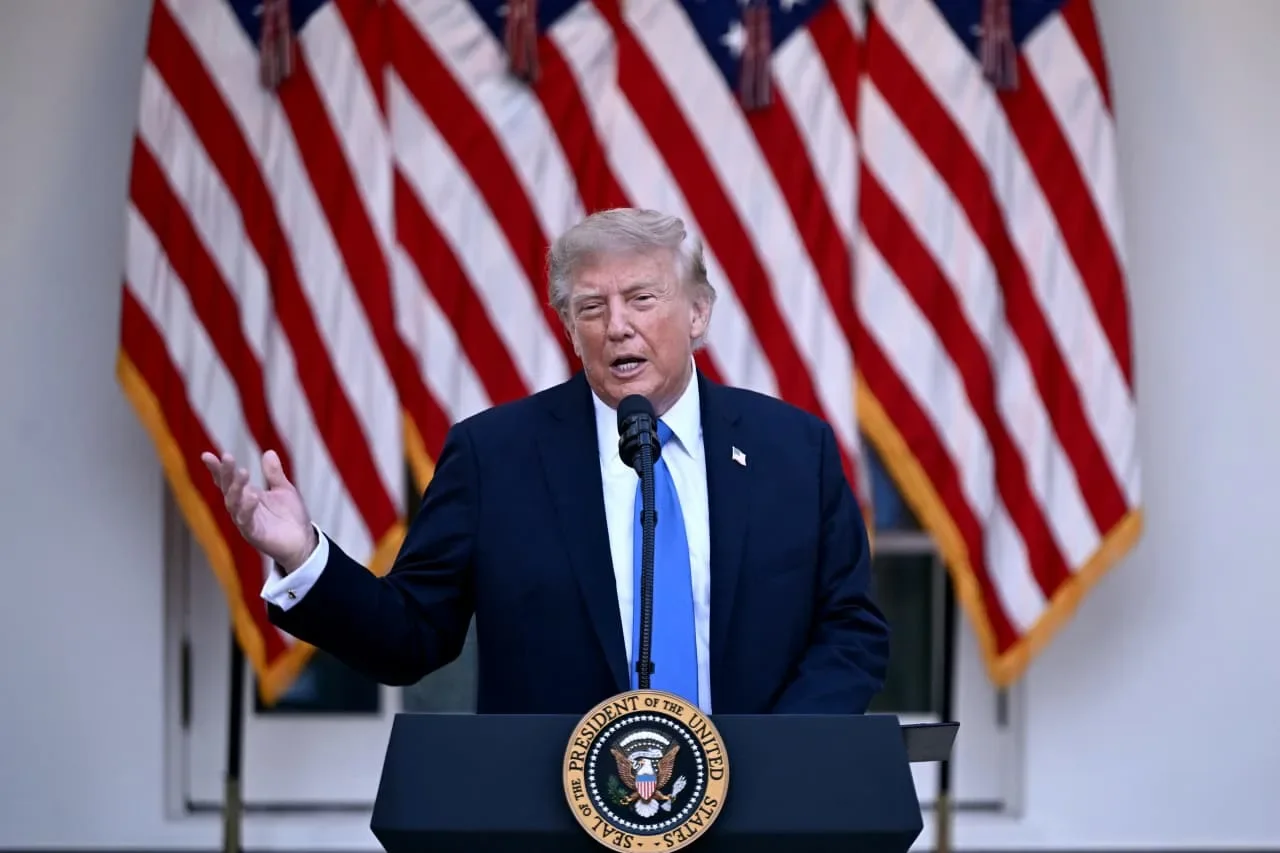
Former President Donald Trump has reignited his feud with the Federal Reserve, issuing a stark threat to halt trade with countries holding a trade surplus with the U.S. unless the central bank agrees to lower interest rates. Trump cited the recently released August jobs report, which showed robust growth, as sufficient justification for rate cuts. This ultimatum, delivered via social media, signals a willingness to leverage international economic relations as a tool to pressure domestic monetary policy, a move that economists and analysts warn could destabilize the U.S. economy.
The primary concern among financial experts is the potential for such actions to trigger market volatility and disrupt global trade flows. By linking trade policy to interest rate decisions, Trump is introducing a significant element of unpredictability into economic planning for both domestic businesses and international partners. The Federal Reserve, an independent body tasked with managing monetary policy, is likely to view such external pressure with concern, as it could undermine its mandate to maintain price stability and full employment. The potential consequences range from retaliatory trade measures by affected countries to a broader slowdown in global economic activity.
---
OpenAI Faces Lawsuits from Shooting Survivors Over ChatGPT Use
Survivors of a tragic shooting incident in Tumbler Ridge, British Columbia, have filed approximately 30 lawsuits against OpenAI, alleging negligence in the company's handling of the shooter's ChatGPT account. The lawsuits contend that OpenAI should have alerted authorities when it shut down the shooter's disturbing account eight months prior to the February attack. This legal action highlights growing concerns over the potential misuse of advanced AI tools and the responsibility of AI developers in preventing real-world harm.
The core of the legal argument appears to be that OpenAI possessed critical information about the shooter's concerning online activity through their AI platform and failed to act upon it in a manner that could have averted the tragedy. This case raises complex questions about duty of care in the digital age, particularly for companies developing powerful generative AI models like ChatGPT. The outcomes of these lawsuits could set significant precedents for AI governance, user accountability, and the legal liabilities faced by technology companies in the rapidly evolving field of artificial intelligence.

---
UN Adopts New Map Emphasizing Africa's True Scale
The United Nations General Assembly has voted to officially phase out the traditional 16th-century Mercator projection map in favor of a more accurate representation that better reflects the true size of continents, particularly Africa. Spearheaded by several African nations and co-sponsored by France, the resolution passed with overwhelming support, though the U.S. voted against it, with six other states abstaining. This decision marks a significant symbolic shift, acknowledging historical cartographic biases and promoting a more equitable global perspective.
The Mercator map, while useful for navigation due to its preservation of angles and shapes, famously distorts the relative sizes of landmasses, making equatorial regions appear smaller and polar regions larger than they are. This distortion has led to a disproportionate representation of continents, with Africa, for instance, appearing similar in size to Greenland on the Mercator projection, despite being vastly larger in reality. The adoption of the Equal Earth design, or a similar projection that prioritizes accurate area representation, is seen as a step towards correcting these historical cartographic inaccuracies and fostering a more accurate understanding of global geography, particularly for regions that have been historically marginalized or misrepresented.
Frequently Asked Questions
What is the current situation regarding elections in Haiti?
What is Donald Trump's specific threat regarding trade and interest rates?
Why are survivors suing OpenAI?
What is the significance of the UN adopting a new world map?
How the Federal Reserve Sets Interest Rates and Why It Matters
The Federal Reserve, often called the Fed, is the United States’ central bank and the primary institution responsible for monetary policy. Its most visible tool is the federal funds rate – the interest rate at which banks lend to each other overnight. By raising or lowering this benchmark, the Fed influences borrowing costs across the economy, from mortgages and car loans to corporate financing.
When the Fed raises rates, borrowing becomes more expensive, which tends to cool consumer spending and business investment. This slowdown can help curb inflation, the general rise in prices that erodes purchasing power. Conversely, cutting rates makes credit cheaper, encouraging spending and investment, but it also risks overheating the economy and fueling higher inflation. The delicate balance between these outcomes is why central bankers watch a wide array of data, including employment figures, consumer price indexes, and global economic developments.
The Fed does not set the rate arbitrarily; it uses a policy framework called “forward guidance” to signal its future intentions. By communicating expectations about where rates will move, the Fed can shape market behavior even before any actual change occurs. This transparency helps businesses and investors plan ahead, reducing uncertainty that could otherwise destabilize financial markets.
In recent years, the Fed’s decisions have been closely linked to political rhetoric. For example, former President Donald Trump repeatedly criticized the Fed for raising rates, suggesting that higher borrowing costs hurt the economy. While the Fed is independent by law, political pressure can create public debate about the trade‑offs between controlling inflation and supporting growth. Understanding how the Fed operates clarifies why such debates matter for everyday Americans and for global markets alike.