
Trump Envoys Head to Kyiv as Clancy Trial Ends in Mistrial; Oil Eyes $95 Amid Diesel Crunch
فرستادگان ترامپ در راه کییف؛ ابطال دادگاه جنجالی کلنسی و جهش نفت به سوی ۹۵ دلار
The high-profile Lindsay Clancy murder trial has ended in a mistrial after a deadlocked jury, while Donald Trump’s special envoys prepare for high-stakes shuttle diplomacy in Ukraine. Meanwhile, global oil prices are surging toward $95 as a diesel supply crisis outweighs broader economic concerns.
At time of publishing
USD
220,000
Toman
Gold 18K
22.99M
Toman / gram
Bitcoin
$79,543
US Dollar
Tether
219,659
Toman
The Clancy Mistrial: A System Deadlocked
The legal drama that has captivated the United States for weeks reached a frustrating conclusion today as the judge in the Lindsay Clancy murder trial declared a mistrial. After more than 38 hours of intense deliberations spanning seven days, the jury informed the court for the third time that they were hopelessly deadlocked. The case, which involves a Massachusetts mother accused of killing her three young children, became a national flashpoint for discussions on maternal mental health and postpartum psychosis. The defense argued that Clancy was in a state of involuntary intoxication from a cocktail of prescribed medications, while the prosecution maintained the acts were planned and intentional.
This outcome leaves the future of the case in a state of profound uncertainty. The prosecution now faces a difficult choice: they can seek a retrial with a fresh jury, offer a plea deal to Clancy’s legal team, or drop the charges entirely—though the latter seems unlikely given the severity of the case. For the public and the legal community, the mistrial underscores the immense difficulty of litigating mental health crises within a traditional criminal framework. As the court adjourned, the defense began preparations for an emergency stay, signaling that the legal maneuvering is far from over. This case continues to impact public perception of the justice system's ability to handle complex psychiatric defenses.

Trump’s Shadow Diplomacy: Witkoff and Kushner to Kyiv
In a major geopolitical shift, Donald Trump’s special envoys, Steve Witkoff and Jared Kushner, are reportedly scheduled to arrive in Kyiv this weekend. This visit follows multiple trips to Moscow and represents a direct attempt by the Trump administration to facilitate a resolution to the Russia-Ukraine conflict outside of traditional State Department channels. The timing is particularly sensitive, as Russian drone strikes recently targeted the headquarters of Ukraine’s intelligence services in the heart of the capital. The presence of high-level American envoys in a war zone suggests that a specific framework for peace talks may finally be on the table, though the details remain closely guarded.
For regional observers, particularly in Iran, this diplomatic push is of paramount importance. Any shift in the intensity or duration of the Ukraine war has immediate ripple effects on the Moscow-Tehran military and economic axis. If a ceasefire or settlement is reached, Russia’s strategic focus and resources could pivot back toward the Middle East, altering the current balance of power. Furthermore, the market's perception of geopolitical risk is fluctuating as these envoys move between capitals, contributing to the volatility seen in energy prices and safe-haven assets today. The world is watching to see if this "shuttle diplomacy" can break the stalemate where traditional diplomacy has failed.
Oil Surges as Diesel Supply Tightens Globally
Global energy markets are witnessing a significant rally, with Brent crude poised to end the week near $95 per barrel. While geopolitical tensions in Eastern Europe and the Middle East provide a constant floor for prices, the primary driver today is a severe squeeze in the refined products market. Diesel prices and refining "cracks"—the profit margin for turning crude into fuel—have surged to record highs. In the United States, diesel prices have reached an all-time peak, which is pulling the price of raw crude upward as refineries struggle to keep up with demand for middle distillates. This supply deterioration into late 2026 is creating a bullish environment for energy stocks despite broader fears of an economic slowdown.
In the Iranian domestic market, we saw a slight divergence from the global trend today. The USD sell rate in Tehran moved from 221,400 to 220,000 Toman, marking a -0.6% decrease. Similarly, 18k gold fell by -1.5%, moving from 23,345,953 to 22,992,751 Toman per gram. This local cooling of prices likely reflects a temporary shift in domestic liquidity or tactical intervention by the central bank, rather than a lack of confidence in global commodities. However, with global gold sitting at a staggering $4,437 per ounce and oil nearing $95, the pressure on the Toman remains high as import costs for essential goods are expected to rise in the coming weeks.
Trump vs. The Fed: A New Trade Ultimatum
President Trump has reignited his long-standing feud with the Federal Reserve, issuing a bold ultimatum via social media. Trump threatened to halt trade with any country where the US maintains a trade deficit unless the Federal Reserve moves to cut interest rates immediately. Citing August’s strong jobs report as evidence that the economy can handle lower rates without sparking inflation, Trump is attempting to force the central bank’s hand to lower mortgage rates and gasoline prices ahead of the midterms. This move has created a wave of uncertainty in the bond markets and has put the US dollar’s global strength under the microscope.
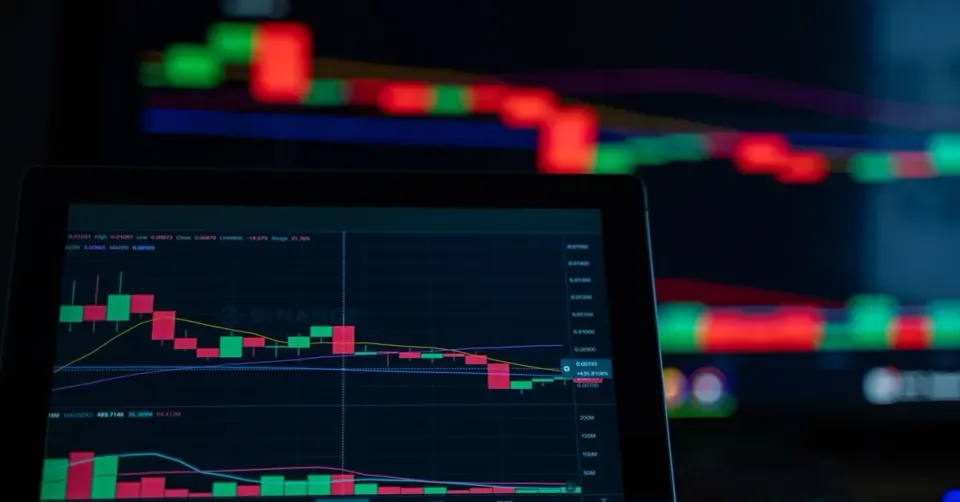
This macro-volatility has had a direct impact on the cryptocurrency sector. Bitcoin, which had been flirting with the $81,000 level earlier in the week, has slipped back to $79,543 as traders digest the implications of a potential trade war and the Fed’s likely resistance to political pressure. For Iranian investors, who often use USDT as a hedge against local currency devaluation, these swings are critical. The current environment of high global interest rates and political threats against the Fed suggests that the "safe haven" status of the dollar and Bitcoin will be tested simultaneously as we move into the final quarter of the year.
Frequently Asked Questions
چرا دادگاه لیندزی کلنسی ابطال شد؟
تأثیر سفر فرستادگان ترامپ به کییف بر ایران چیست؟
چرا قیمت نفت با وجود رکود اقتصادی در حال افزایش است؟
Understanding the Brent Crude Benchmark and Why $95 a Barrel Matters
The global oil market revolves around a handful of price benchmarks, the most prominent of which is Brent crude. Named after the Brent oil field in the North Sea, Brent is a blend of crude oils extracted from 15 different fields in the United Kingdom and Norway. It is widely used as a reference price for oil contracts in Europe, Africa, and the Middle East, and it serves as the basis for the pricing of many refined products, including diesel and gasoline.
The price of Brent is determined by a complex mix of supply‑and‑demand fundamentals, geopolitical events, and financial market dynamics. Traders watch inventory levels in key storage hubs, OPEC production decisions, refinery capacity, and even weather patterns that affect shipping routes. When any of these variables shift, the market reacts instantly, causing Brent’s spot price to fluctuate. A price level of $95 per barrel is significant because it signals tighter global supplies and often triggers higher costs for downstream fuels such as diesel, which can exacerbate regional shortages.
Because Brent is the pricing yardstick for many contracts, a rise to $95 reverberates through the entire energy value chain. Import‑dependent economies may see their import bills swell, prompting central banks to consider tighter monetary policy to curb inflation. At the same time, higher oil revenues can boost fiscal balances for oil‑producing nations, but they also raise the stakes for currency markets – for example, the Iranian rial (toman) can experience added pressure when the dollar‑denominated price of oil climbs.
Understanding Brent’s role also clarifies why a diesel crunch can emerge when crude prices surge. Refineries often adjust their crude slates to maximize profit margins; if Brent becomes expensive, they may cut runs of diesel‑heavy crude, tightening supply of the fuel that powers trucks and generators. This dynamic helps explain the headlines linking a $95 Brent price to diesel shortages in 2026.
For anyone watching energy markets, geopolitics, or inflation trends, grasping the mechanics of the Brent benchmark provides a lens through which to interpret price spikes, policy responses, and the ripple effects on everything from exchange rates to commodity investments.
Topics
Related Articles