Tehran Issues ‘New Foolishness’ Warning to Trump as Regional Gas Exports Paralyze Amid Rising Tensions
هشدار تند تهران به ترامپ در پی تهدیدات جدید؛ فلج شدن صادرات گاز در منطقه و صعود دلار
Iran's military warns of a response harsher than the 40-day war following renewed threats from Donald Trump, while the regional conflict begins to cripple Qatar's vital energy exports. Market volatility remains high as the Iranian Rial slips 0.7% against the dollar in mid-day trading.
At time of publishing
USD
181,300
Toman
Gold 18K
19.93M
Toman / gram
Bitcoin
$78,319
US Dollar
Tether
18,078
Toman
Tehran Signals Defiance Amid Trump’s Renewed Rhetoric
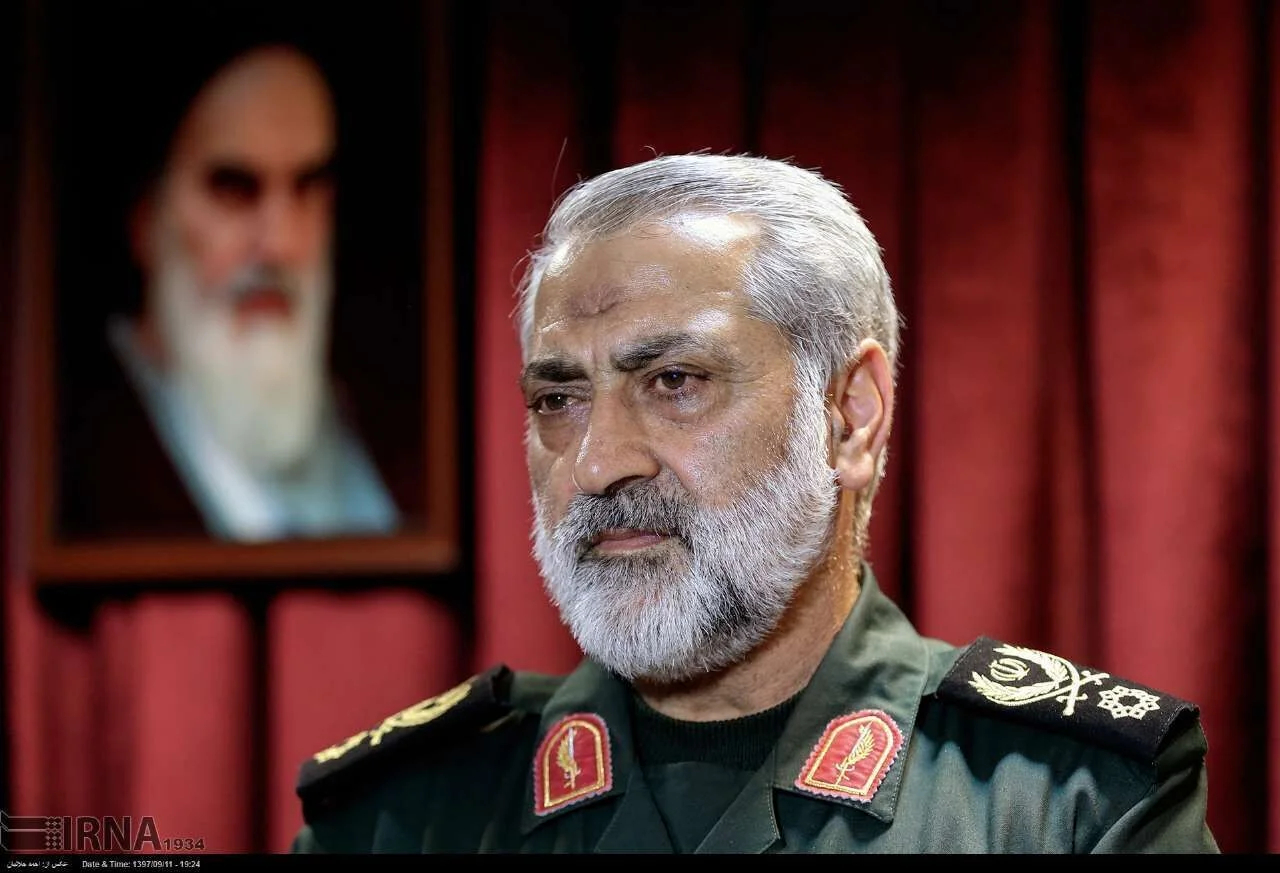
At 15:00 Tehran time, the geopolitical temperature in the Middle East has spiked following a stern warning from senior Iranian military officials. According to reports from IRNA, a military spokesman has cautioned the United States against any "new foolishness," specifically targeting the renewed threats issued by Donald Trump. This rhetoric follows a period of high-intensity friction, with Tehran suggesting that any future escalation would trigger a response even more devastating than those witnessed during the recent 40-day conflict. The Iranian leadership appears to be drawing a hard line, signaling that they are prepared for a long-term standoff if Washington pursues a policy of renewed maximum pressure. Adding to the domestic narrative, Parliament Speaker Mohammad Bagher Ghalibaf highlighted the martyrdom of an Al-Qassam Brigades commander as further proof of what he termed the "Israeli regime’s disloyalty" during ceasefire negotiations. This framing serves to solidify the internal political front, linking regional resistance movements directly to Iran’s national security strategy. For the average Iranian citizen, this high-stakes verbal sparring has immediate economic consequences. The uncertainty has already begun to manifest in the currency markets, where the USD/IRR rate rose from 180,100 to 181,300, marking a 0.7% increase within the last 24 hours.
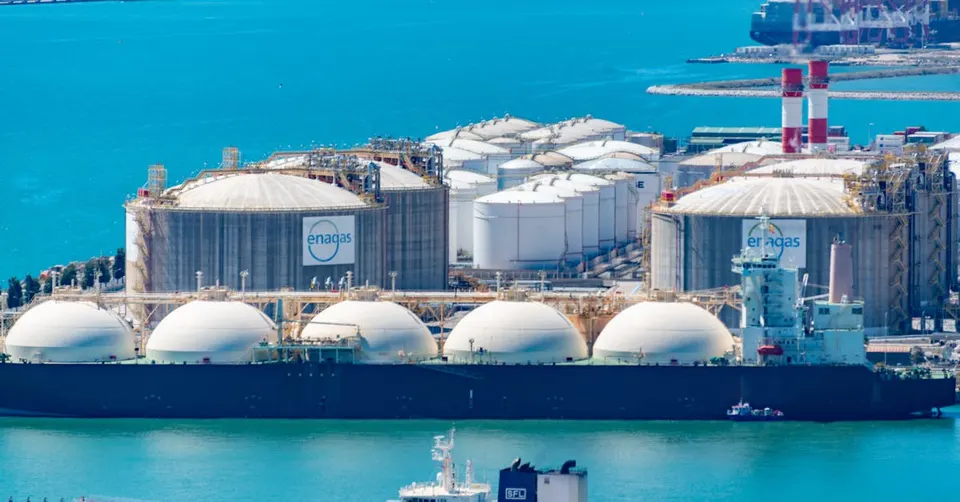
The Economic Cost of Conflict: Qatar’s Gas Exports Paralyzed
The broader regional impact of the ongoing tensions is becoming increasingly visible, with new reports suggesting that the "Iran War" context is severely crippling Qatar, traditionally one of the world’s wealthiest nations. Iranian-linked disruptions have reportedly paralyzed Qatar’s vital liquefied natural gas (LNG) exports, which serve as the backbone of its economy. This paralysis is not just a blow to Qatari wealth but a significant threat to global energy security, as European and Asian markets rely heavily on these shipments to stabilize their own power grids. The stall in gas exports is also bleeding into other sectors, halting the ambitious tourism and business pivots that Qatar had intended to anchor its post-fossil fuel future. This development illustrates the "asymmetric" nature of the current conflict. While direct military engagements are sporadic, the economic warfare conducted through the disruption of shipping lanes and energy infrastructure in the Persian Gulf and the Strait of Hormuz is creating a ripple effect. For Iran, the strategy appears to be demonstrating that if its own economy is under siege by sanctions, the entire region’s prosperity will be held in the balance. This has kept gold prices buoyant, with Gold 18k/gram rising from 19,795,696 to 19,927,051 Toman (+0.7%), as investors seek refuge in hard assets amid the regional instability.
UK Political Turmoil: The Brexit Ghost Returns
In a surprising shift of focus for global markets, the United Kingdom is facing its own internal crisis as the Labour government grapples with a burgeoning leadership rift. Culture Secretary Lisa Nandy recently dismissed calls from fellow cabinet members to rejoin the European Union, labeling the suggestion as "odd." This internal debate, sparked by Wes Streeting’s comments that Britain’s future lies back within the bloc, has reopened old wounds from the Brexit referendum a decade ago. The timing is particularly sensitive for Prime Minister Keir Starmer, who is already facing questions about his leadership following a series of local election setbacks and internal policy disputes. While seemingly distant from the tensions in the Persian Gulf, the stability of the UK government is a key component of the Western diplomatic response to Iran. A fractured British leadership limits the effectiveness of the AUKUS alliance and G7 coordination on sanctions and energy policy. Furthermore, the UK’s internal "froth and nonsense"—as Nandy described the leadership speculation—diverts political capital away from pressing international security issues. For global traders, this political volatility adds another layer of risk to the British Pound, which currently sits at a sell price of 241,650 Toman in the Tehran market, reflecting the broader global uncertainty.
Markets and Safe Havens: Gold and Bitcoin Hold Firm
As the geopolitical landscape shifts, financial markets are reacting with a classic flight to quality. Bitcoin has maintained a strong position, trading near $78,319 as retail adoption in the United States continues to surge despite the looming threat of sales from major institutional players. The cryptocurrency is increasingly being viewed by a new generation of investors as a "digital gold," a hedge against the fiat currency volatility caused by the very political rifts seen in the UK and the Middle East. However, the traditional safe haven of physical gold remains the primary choice for local Iranian investors, with the Emami coin rising from 193,500,000 to 194,500,000 Toman (+0.5%) today. The simultaneous rise in the price of the US Dollar and Gold in the domestic market suggests a high level of anxiety regarding the next 48 hours. With Trump’s rhetoric escalating and Tehran’s military on high alert, the psychological barrier of the 182,000 Toman level for the Dollar is being closely watched. Traders are advised to remain cautious, as the market is currently driven more by headlines and perceived risk than by underlying economic fundamentals. The coming hours will be critical in determining whether this is a temporary spike or the beginning of a new upward trend in the cost of foreign exchange.
Frequently Asked Questions
Why is the Iranian Rial losing value today?
How does the paralysis of Qatar's gas exports affect the global market?
What is the significance of the internal UK debate on rejoining the EU?
Geopolitical Risk in Energy Markets
The recent headlines highlighting rising tensions in the Middle East and their potential to paralyze regional gas exports underscore a critical economic concept: Geopolitical Risk in Energy Markets. This term refers to the potential for political events, conflicts, or instability in key energy-producing or transit regions to disrupt the supply or demand of energy resources. Given that the Middle East holds a significant portion of the world's proven oil and gas reserves and contains vital shipping lanes, it stands as a primary epicenter for such risks, with far-reaching global implications.
Geopolitical risks manifest in various ways, directly impacting energy flows and prices. For instance, military confrontations or threats to maritime chokepoints, such as the Strait of Hormuz – through which a substantial portion of the world's seaborne oil and liquefied natural gas (LNG) passes – can immediately trigger fears of supply shortages. Sanctions imposed on energy-producing nations, like those on Iran, can restrict their ability to export, removing significant volumes from the global market. Furthermore, internal political instability within a major producer can lead to disruptions in extraction, processing, or transportation infrastructure, further tightening global supply.
The consequences of heightened geopolitical risk in energy markets are profound. They typically lead to increased volatility in oil and gas prices, as markets react swiftly to perceived threats to supply. This volatility can fuel inflation, impact economic growth globally, and create significant uncertainty for businesses and consumers alike. Importing nations become acutely aware of their energy security vulnerabilities, often prompting them to seek diversification of supply sources or invest in strategic reserves. The interconnectedness of global energy markets means that a crisis in one region can send ripple effects across the entire world, affecting everything from manufacturing costs to household heating bills.
Understanding geopolitical risk is therefore essential for anyone seeking to comprehend global economic dynamics. It's not merely about military posturing or diplomatic spats; it's about recognizing how these events directly translate into tangible economic impacts on energy availability and cost. As tensions ebb and flow in critical regions, so too does the stability of global energy supplies, making this a perpetually relevant and vital concept to grasp for international relations, economics, and even daily life.
Topics
Related Articles