Iran Launches War Crimes Probe Into School Attacks as US Warns of Energy Market Intervention
آغاز پیگرد قانونی «جنایات جنگی» در پرونده مدارس میناب؛ هشدار تهران درباره مداخلات جدید آمریکا در بازار انرژی
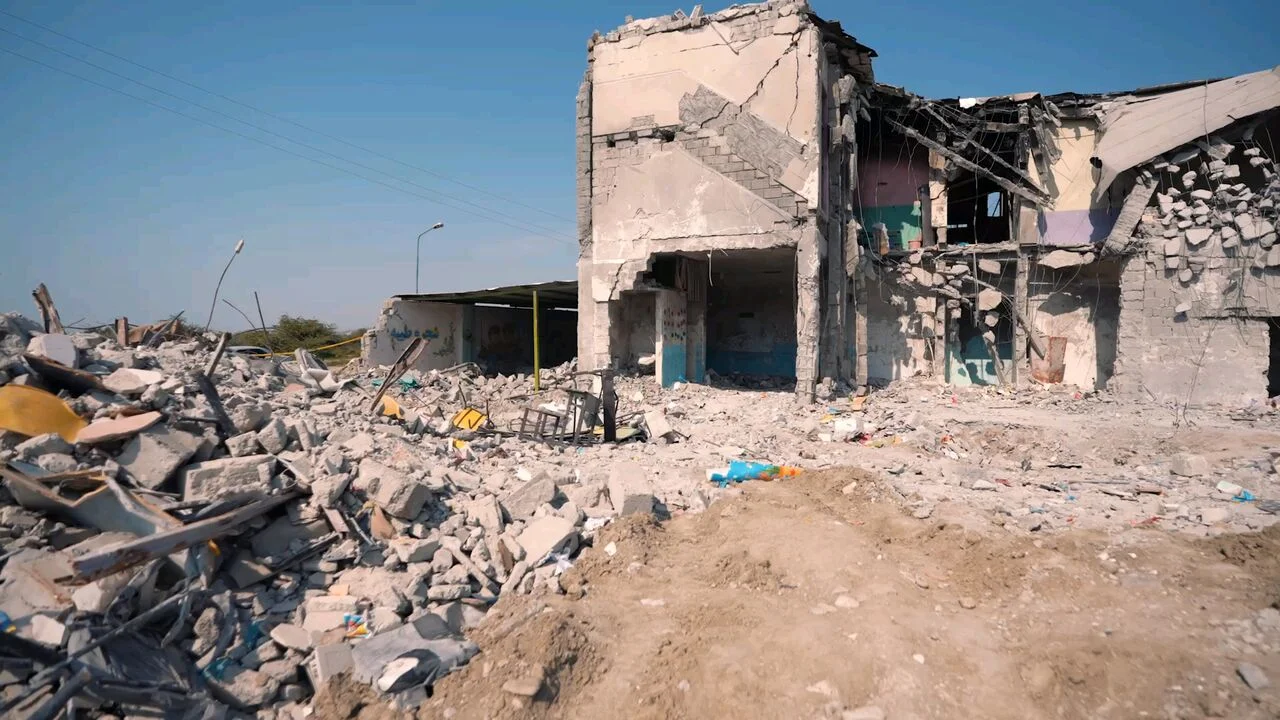
Iranian judicial authorities have initiated a formal legal process against the perpetrators of the Minab school attacks, labeling the incident a war crime. Simultaneously, Tehran warns that Washington may use global energy stability as a pretext for future military escalations.
At time of publishing
USD
181,400
Toman
Gold 18K
19.94M
Toman / gram
Bitcoin
$78,467
US Dollar
Tether
18,048.8
Toman
Legal Action Commences Over Minab School Attacks
The Chief Justice of Iran’s Hormozgan Province has officially announced the start of a formal punishment process for those behind the recent attacks on schools in Minab. According to reports from Bandar Abbas, the judicial system has registered a specific complaint categorized under war crimes, targeting what it describes as "US-Zionist" actions. This move signals a significant escalation in how Tehran intends to handle domestic security breaches, shifting the narrative from a local criminal matter to an international legal dispute. By framing these incidents as war crimes, the Iranian judiciary is attempting to leverage international law to hold foreign entities and their proxies accountable for regional instability.
For the Iranian public, this legal shift is intended to project a sense of robust state protection and a refusal to allow external interference to go unpunished. The registration of this case in the international framework suggests that Tehran is preparing a broader "lawfare" strategy, aiming to counter psychological and physical pressures through the global court system. This development comes at a time when domestic sentiment is highly sensitive to security issues, and the government is keen to demonstrate that its reach extends beyond its borders when it comes to seeking justice for its citizens.

Tehran Warns of New US Pretexts for Conflict
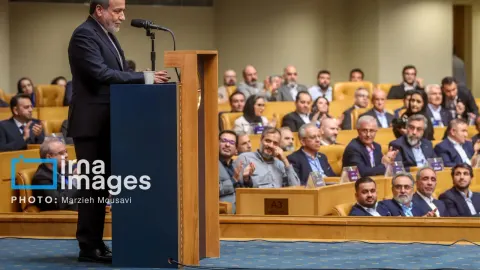
Foreign Ministry spokesperson Esmaeil Baghaei has issued a stern warning regarding what he calls the United States' next "lie" to justify military intervention. Tehran claims that Washington is preparing to use the preservation of global energy market stability as a primary pretext for future aggression against Iran. This rhetorical shift by the US is viewed by Iranian officials as a calculated move to gain international support for sanctions or naval maneuvers by framing them as necessary for the world economy. Baghaei emphasized that any attempt to destabilize the region under the guise of protecting energy flows would be met with significant resistance.
In tandem with these warnings, Deputy Foreign Minister for Legal and International Affairs Kazem Gharibabadi stated that Iran is also pursuing legal cases against US-Israeli attacks on Iranian cultural heritage sites. These maneuvers indicate that Iran is bracing for a sustained period of hybrid confrontation. By addressing both energy security and cultural heritage in international forums, Tehran is attempting to build a multi-layered defense against what it perceives as a coordinated effort to erode its sovereignty and economic standing. This strategy aims to delegitimize US actions before they manifest as physical blockades or strikes.

Market Volatility and the Rise of Institutional Crypto
In the last 24 hours, the Iranian currency market has experienced a moderate uptick in volatility. The USD rose from 180,100 to 181,400 Toman, marking a +0.7% increase. This movement was mirrored in the gold market, where 18k gold per gram climbed from 19,795,696 to 19,937,901 Toman (+0.7%), while the Emami coin saw a +0.5% rise to 194,500,000 Toman. These price shifts reflect a cautious market reaction to the intensifying geopolitical rhetoric and the potential for renewed disruptions in regional trade routes. Investors are increasingly seeking refuge in hard assets as the dialogue between Tehran and Washington remains combative.
On the global stage, a significant shift in institutional crypto adoption is taking place in Japan. Major brokerages, including SBI Securities and Rakuten Securities, are reportedly planning to launch crypto investment trusts for retail investors. This move, expected to be fully regulated by 2028, signals a massive pivot toward digital assets by traditional financial powerhouses. While Bitcoin currently pauses near the $78,467 level, the long-term sentiment is being bolstered by these institutional entries, which provide a layer of legitimacy and liquidity that was previously lacking in the Japanese market.

AI Integration Reaches the Service Sector
The integration of artificial intelligence into daily life is moving beyond software and into the physical service industry. In a recent breakdown of tech trends, it was highlighted that AI-driven chatbots are now becoming standard at drive-thrus for major global chains like McDonald's. These systems are no longer just rudimentary voice recognition tools; they have evolved into sophisticated agents capable of handling complex orders, upselling products, and managing customer frustrations. This shift is expected to drastically reduce overhead costs for multinational corporations while fundamentally altering the entry-level labor market.
While the technology offers efficiency, it also raises significant questions about the future of employment in the hospitality and service sectors. For business owners and tech investors, this represents the "real-world" monetization of large language models. The success of these drive-thru bots is seen as a precursor to more widespread AI adoption in retail and customer service environments globally. As these systems become more autonomous, the boundary between human-led service and automated interaction continues to blur, forcing a re-evaluation of labor laws and consumer privacy standards in the digital age.
Frequently Asked Questions
Why is the Minab school attack being classified as a war crime?
How is the USD/IRR market reacting to these geopolitical warnings?
What is the significance of Japan's move into crypto investment trusts?
The Geopolitics of Energy
The "Geopolitics of Energy" describes the complex interplay between political power, geographical factors, and energy resources, primarily oil and natural gas. It recognizes that energy is not merely a commodity but a strategic asset, profoundly influencing international relations, economic stability, and national security. Countries rich in energy resources often wield significant diplomatic and economic leverage, while energy-dependent nations frequently shape their foreign policies to secure reliable supplies. This dynamic creates a landscape where energy routes, production hubs, and consumption patterns become critical points of geopolitical contention and cooperation.
In this framework, energy market interventions, like those mentioned in the headline regarding the U.S. and Iran, are often strategic moves. Major powers might intervene to stabilize markets, prevent hostile actors from gaining undue influence, or use energy as a tool of economic pressure. For instance, sanctions on energy exports aim to curb a target country's revenue, while threats of market intervention can signal a commitment to maintaining global supply and price stability, often in response to perceived threats to these supplies. The tension between Iran and the U.S., particularly concerning oil production and trade, exemplifies how energy resources are central to their broader geopolitical rivalry.
The stability of global energy markets is therefore a cornerstone of international economic health and security. Disruptions, whether from conflict, natural disaster, or deliberate political action, can trigger price volatility, economic slowdowns, and even social unrest worldwide. Consequently, nations and international bodies invest heavily in strategies to ensure diversified energy sources, secure transit routes, and maintain strategic reserves. Understanding the geopolitics of energy is crucial for comprehending why disputes over distant oil fields or shipping lanes can have immediate and far-reaching impacts on economies and political landscapes across the globe.
Topics
Related Articles