Pezeshkian Urges Regional Unity Against Terror as Global Retailers Warn of Conflict-Driven Inflation
فراخوان پزشکیان برای اتحاد منطقهای همزمان با هشدار غولهای خردهفروشی از تبعات اقتصادی جنگ
President Pezeshkian calls for a united front among neighbors to secure the region, while global giants Walmart and Target warn that rising energy costs from the conflict are reshaping consumer habits.
At time of publishing
USD
181,150
Toman
Gold 18K
19.91M
Toman / gram
Bitcoin
$77,998
US Dollar
Tether
18,052.3
Toman
Pezeshkian’s Security Doctrine: A Call for Regional Autonomy
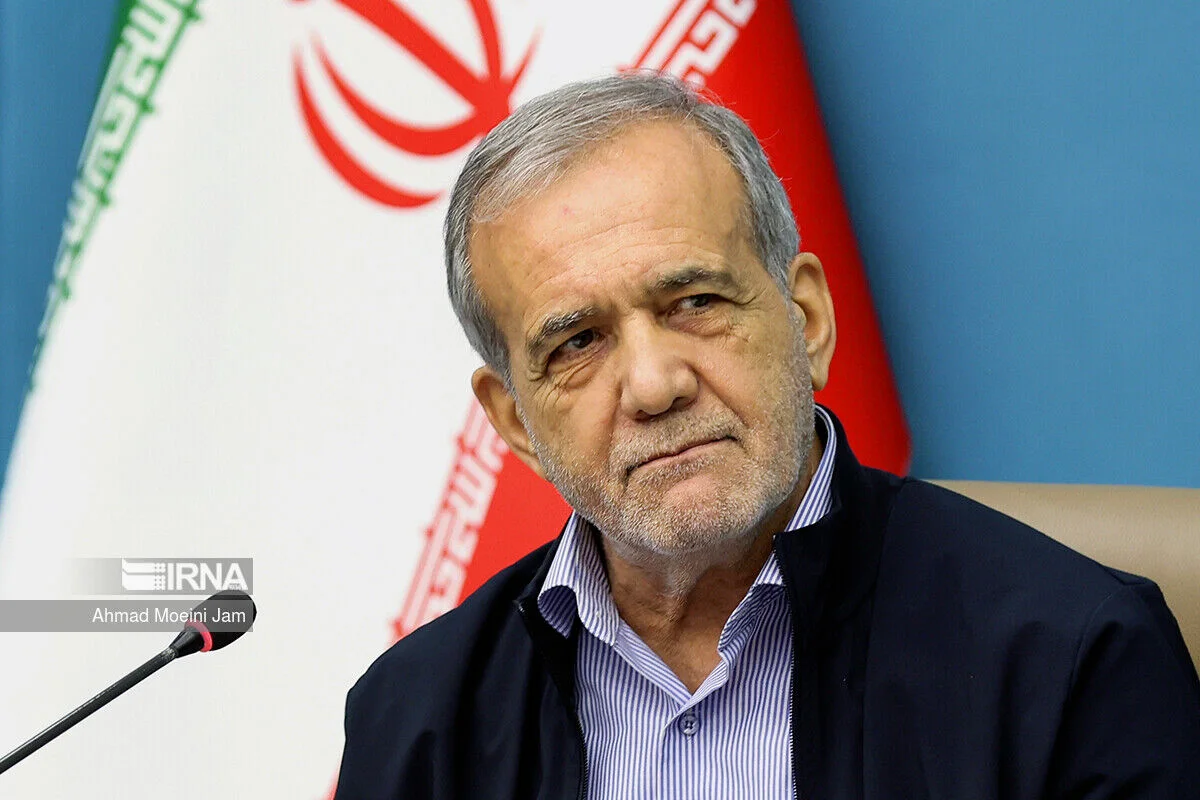
In a significant diplomatic move at 19:00 Tehran time, President Masoud Pezeshkian has intensified his call for a unified regional security framework. Speaking to state media, the President emphasized that the presence of trans-regional powers serves only to destabilize the Middle East, urging neighboring nations to coordinate more closely to prevent terrorist groups from exploiting border vulnerabilities. This rhetoric signals a continued shift toward a 'neighbors-first' foreign policy, aiming to reduce the military footprint of Western powers while positioning Iran as a central pillar of regional stability. Why this matters now is the direct link between security and economic corridors. As Iran seeks to integrate more deeply into regional trade networks, any perceived instability acts as a deterrent to foreign direct investment and transit projects. By advocating for a collective defense mechanism, Pezeshkian is attempting to lower the 'risk premium' associated with the region, which could eventually stabilize the currency and attract the capital needed for domestic infrastructure. For the Iranian reader, this is a clear signal that the administration views regional peace as the primary prerequisite for breaking the cycle of economic isolation.

The Retail Price of Conflict: Walmart and Target Sound the Alarm
As the geopolitical situation in the Middle East remains tense, the economic ripple effects are reaching the aisles of the world’s largest retailers. Walmart and Target have issued warnings regarding a fundamental shift in consumer behavior driven by escalating energy costs. Historically, these retail giants have noted that when gas prices hit the $4.50 to $5 per gallon threshold—often a byproduct of Middle Eastern supply concerns—shoppers begin to drastically cut discretionary spending. This 'war-time' consumer psychology is now manifesting in quarterly reports, suggesting that the global economy is far from insulated from the localized conflict. This shift is particularly relevant for the Iranian market as it dictates the flow of global liquidity and inflation expectations. When major US retailers report a slowdown, it often precedes a broader cooling of the global economy, which can impact commodity prices, including oil. For those following the Toman’s value, these global trends are a double-edged sword: while lower global demand might soften oil prices, the resulting inflationary pressure on imported goods continues to squeeze the purchasing power of the average household. The 'Iran war' narrative in Western markets is no longer just a headline; it is a measurable metric in the global cost-of-living crisis.

Market Pulse: Toman and Gold Edge Higher Amid Regional Uncertainty
Domestic markets in Tehran have shown a slight upward trend in the last 24 hours, reflecting the cautious sentiment of investors. The US Dollar (USD) rose from 180,100 to 181,150 Toman, marking a 0.6% increase. Similarly, the price of 18k gold per gram moved from 19,795,696 to 19,910,660 Toman, also gaining 0.6%. The Emami coin followed suit, rising from 193,500,000 to 194,500,000 Toman (+0.5%). These movements, while modest, suggest that the market is pricing in the persistent geopolitical rhetoric and the potential for further escalations. In the cryptocurrency sector, Bitcoin (BTC) is currently trading at $77,998, holding steady despite the volatility in traditional markets. The stability of Tether (USDT) around the 18,052 Toman mark indicates that digital assets remain a primary hedge for local investors looking to preserve capital against the gradual depreciation of the Rial. As long as regional tensions remain the lead story, we expect to see continued 'safe-haven' buying in both the gold and crypto sectors, as participants wait for a more definitive diplomatic or military resolution.
A Record-Breaking Lift: Yousefi’s Gold Boosts National Morale
Amidst the heavy news of politics and economics, Alireza Yousefi has provided a moment of national pride at the 2026 Asian Weightlifting Championships. The Iranian super heavyweight clinched the gold medal in the clean and jerk category, setting a new world record in the process. His performance on Sunday has resonated across social media in Iran, offering a brief but powerful distraction from the daily economic grind. Yousefi’s success reinforces Iran’s historical dominance in the heavyweight classes and serves as a reminder of the country's soft power on the international stage. Beyond the sporting achievement, such victories often have a subtle psychological impact on market sentiment. High-profile international successes can provide a temporary boost to national confidence, which sometimes correlates with a brief stabilization in consumer sentiment. While a gold medal cannot fix inflation, the cultural capital generated by athletes like Yousefi is an essential component of the national identity during times of external pressure. It showcases resilience—a theme that the government often highlights to encourage the public to endure the current economic challenges.
Frequently Asked Questions
What is the significance of Pezeshkian’s call for regional cooperation?
How is the conflict in the Middle East affecting global retail giants like Walmart?
Why did the price of gold and the US dollar increase in the Tehran market today?
Understanding Conflict-Driven Inflation
Geopolitical tensions and armed conflicts, particularly in strategically vital regions like the Middle East, have profound and immediate economic consequences. One of the most significant is conflict-driven inflation, a phenomenon where prices for goods and services rise sharply due to the direct and indirect impacts of instability. This isn't just a localized issue; as global retailers like Walmart warn, these inflationary pressures can ripple across the world, affecting supply chains and consumer prices far from the conflict zone.
The mechanisms through which conflict fuels inflation are multifaceted. Firstly, direct disruptions to supply chains are common: trade routes are blocked, infrastructure (like ports, roads, and energy pipelines) is damaged, and production facilities cease operations. This restricts the availability of key commodities, especially energy (oil and gas) and food, driving up their prices. Secondly, increased government spending on defense and war efforts, often financed through borrowing or even printing money, injects more currency into the economy without a corresponding increase in goods, leading to classic demand-pull inflation. Simultaneously, the uncertainty of conflict often leads to capital flight and a devaluation of local currencies, making imports significantly more expensive.
Furthermore, global investors often seek "safe haven" assets during times of geopolitical turmoil. This typically means a flight to assets like gold or stable currencies such as the U.S. dollar, increasing their demand and value. For countries caught in or near conflict, their local currency can depreciate rapidly against these safe havens, making imported goods (from raw materials to finished products) much costlier. This imported inflation exacerbates domestic price pressures, leading to a general rise in the cost of living and eroding purchasing power for ordinary citizens.
Understanding conflict-driven inflation is crucial because it highlights the intricate link between geopolitical stability and economic well-being. It explains why a conflict in one region can lead to higher prices at your local grocery store or gas pump, and why policymakers and global institutions constantly monitor such developments. The warnings from global retailers underscore that these are not abstract economic theories but tangible threats to household budgets and global economic stability.
Topics
Related Articles