London Unrest and Tehran’s Defense Alert: Global Volatility Edges Toman and Gold Higher
ناآرامیهای لندن و آمادهباش دفاعی تهران؛ تنشهای جهانی قیمت دلار و طلا را بالا برد
As London police arrest dozens during rival protests, Iran’s Defense Ministry issues a stern warning of military readiness. These geopolitical ripples are felt in Tehran markets, where the USD and Gold have seen slight upward movements this evening.
At time of publishing
USD
180,400
Toman
Gold 18K
19.84M
Toman / gram
Bitcoin
$78,088
US Dollar
Tether
18,045
Toman
London Protests and the Fracturing of European Stability
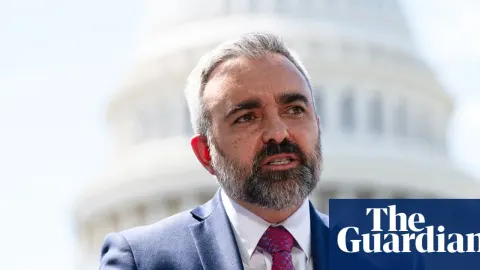
The streets of London became a theater of ideological conflict this weekend as the Metropolitan Police arrested 43 individuals during twin demonstrations. The 'Unite the Kingdom' rally, led by far-right figure Tommy Robinson, faced off against a massive pro-Palestine counter-protest, highlighting the deep-seated polarization currently gripping the United Kingdom. While Robinson’s event failed to draw the massive numbers initially projected, the atmosphere remained volatile, with reports of racial abuse directed at officers and several skirmishes between opposing factions.
For global observers and market analysts, these protests are more than just civil disobedience; they represent a growing social instability in one of the world's primary financial hubs. As the UK grapples with its post-Brexit identity and internal political shifts—including recent debates about rejoining the European Union—this domestic friction adds a layer of 'sovereign risk' that can impact investor sentiment. The heavy police presence and the resulting arrests underscore the difficulty the British government faces in balancing free speech with public order in an increasingly divided society.
Tehran Signals High Defense Readiness Amid Regional Friction
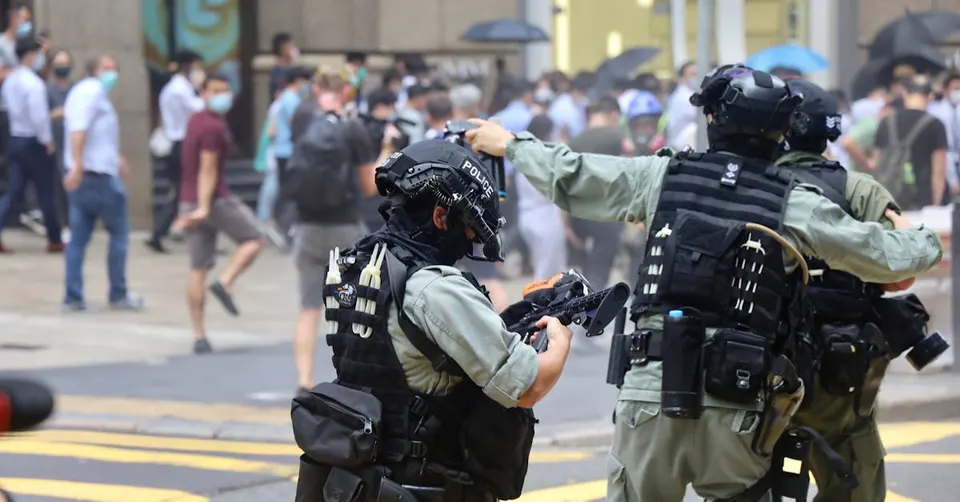
Closer to home, the Iranian Defense Ministry has issued a clear message of deterrence. Brigadier General Reza Talaei-Nik, the ministry's spokesperson, stated on Sunday that the Iranian Armed Forces are fully prepared to deliver a "regretful response" to any renewed aggression from the United States or the Israeli regime. This rhetoric comes at a time of heightened regional sensitivity, as diplomatic channels remain active but military postures stay rigid. The General emphasized that Iran’s defensive capabilities have reached a point where any miscalculation by adversaries would lead to significant strategic consequences.
This stance of 'active deterrence' has a direct correlation with the psychological state of the local currency market. In the last 24 hours, we have observed the USD/IRR rate move from 180,100 to 180,400, a modest but notable 0.2% increase. When high-ranking military officials speak of potential confrontation, the market typically reacts by hedging into hard currency and gold. This explains why the Emami coin also rose by 0.5%, reaching 194,500,000 Toman, as investors seek safety amid the verbal sparring between Tehran and its international rivals.

The AI Backlash: Eric Schmidt and the Graduate Crisis
In the technology sector, a significant cultural moment occurred at the University of Arizona, where former Google CEO Eric Schmidt was loudly booed by students during his commencement address. As Schmidt attempted to champion the transformative power of Artificial Intelligence, the graduating class—many of whom are entering a job market already disrupted by automation—expressed their vocal dissent. This incident highlights a growing rift between the 'tech elite' who view AI as an unalloyed good and the workforce that fears displacement and the devaluation of traditional skills.
This friction is not just a social phenomenon; it has profound economic implications. As AI continues to integrate into manufacturing and service sectors, the 'skills arms race' is accelerating. Investors are currently pouring billions into AI infrastructure, yet the human element of the economy is showing signs of exhaustion and resistance. For the Iranian tech community and startups, this global sentiment serves as a warning: the adoption of AI must be balanced with social stability and job creation, or risk the kind of public backlash witnessed in Arizona.
Market Dynamics: Gold and Toman in Sync
As of 22:00 Tehran time, the financial landscape reflects a cautious trend. Gold 18k per gram has climbed from 19,795,696 to 19,839,558 Toman (+0.2%), tracking both the domestic currency shift and the global gold ounce price, which sits at a formidable $4,541.20. These figures suggest that the 'risk-off' sentiment is dominating the Sunday evening session. While Bitcoin remains relatively stable at $78,088, the focus for most local traders remains on the Toman's ability to hold its ground against the 180k psychological barrier.
What this means for the average reader is that the cost of imports and gold-linked savings is likely to remain under pressure as long as regional defense rhetoric stays at this pitch. The synergy between geopolitical warnings and market prices is undeniable; when the Defense Ministry speaks, the charts listen. Moving into the new week, all eyes will be on whether these 'minor' 0.2% shifts are the start of a new trend or merely a temporary reaction to the weekend’s headlines.
Frequently Asked Questions
Why did the USD/IRR price increase by 0.2% today?
What was the cause of the 43 arrests in London?
How is the technology sector reacting to the AI boom?
Is the current rise in gold prices expected to continue?
Why Gold Shines When Markets Tremble: The Safe‑Haven Effect
When geopolitical shocks erupt—whether it’s a wave of arrests in London, a defense ministry warning in Tehran, or a sudden surge in AI‑related controversy—financial markets often react with heightened volatility. In such moments investors look for assets that are expected to retain value or even appreciate while risk‑on assets like equities and emerging‑market currencies tumble. This is the classic role of a safe‑haven asset, and gold has been the most widely recognized example for centuries.
Gold’s safe‑haven status stems from several unique qualities. First, it is a tangible commodity that cannot be printed like fiat currency, so it is insulated from the monetary policy decisions that can devalue paper money. Second, its price is denominated globally in U.S. dollars, which means that when the dollar weakens amid uncertainty, gold often gains in local‑currency terms. Third, gold has a long‑standing cultural and historical perception as a store of wealth, reinforcing investor confidence during crises.
Geopolitical turbulence—such as the London protests surrounding Tommy Robinson or Iran’s defense alerts—tends to push risk‑averse capital out of assets tied to specific economies (e.g., the Iranian rial or the British pound) and into gold. The resulting capital flows boost demand, lifting spot prices and futures contracts. Simultaneously, the USD/IRR exchange rate can become more volatile, prompting Iranian investors to hedge with gold or gold‑linked instruments, which further fuels price movements.
However, gold is not a flawless shield. Its price can be influenced by interest‑rate expectations, real‑interest yields, and even speculative trading. In periods of prolonged low inflation and stable markets, gold may underperform risk assets. Therefore, while gold remains a go‑to safe haven during spikes in global volatility, investors should balance it with a diversified portfolio and stay aware of the broader macroeconomic backdrop.
Topics
Related Articles