Global Tensions Flare: UAE Reports Strike Near Nuclear Plant as Trump Issues ‘Clock is Ticking’ Warning to Tehran
اوجگیری تنشهای جهانی: گزارش حمله در نزدیکی نیروگاه هستهای امارات و هشدار «تیکتاک ساعت» ترامپ به تهران
A drone strike near the UAE's Barakah nuclear plant and a defiant response from Tehran have pushed regional tensions to a boiling point, while Bitcoin slides below $77,000 amid a looming $300 billion oil shock.
At time of publishing
USD
180,400
Toman
Gold 18K
19.85M
Toman / gram
Bitcoin
$76,720
US Dollar
Tether
18,092.4
Toman
Dangerous Escalation: The Barakah Strike and Trump’s Ultimatum
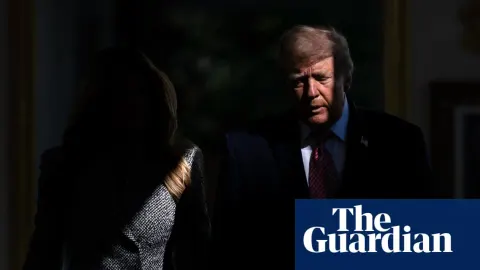
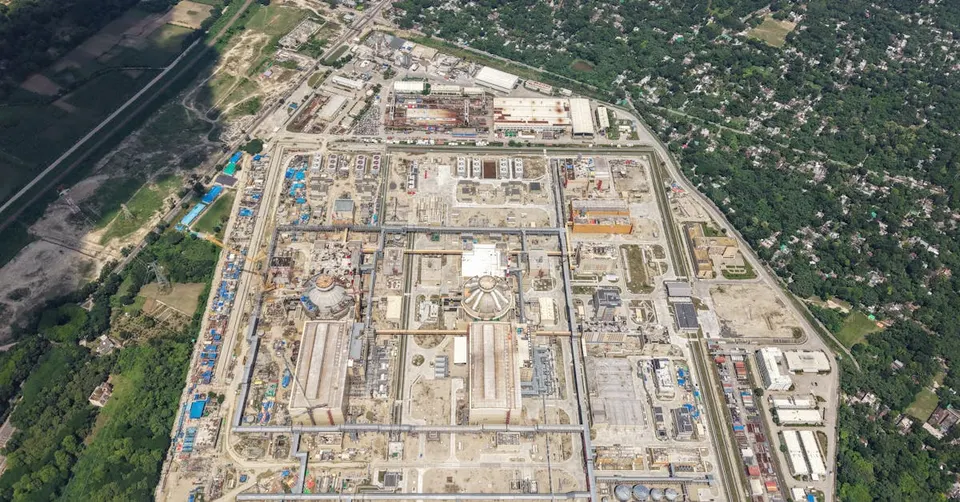
The United Arab Emirates has officially accused Iran or its regional proxies of a drone strike targeting the vicinity of the Barakah nuclear power plant. While the facility’s regulator confirmed that no radiation leaks occurred and the plant remains operational, the event marks a "dangerous escalation" in a region already on a knife-edge. This incident follows weeks of gridlock in peace negotiations, prompting U.S. President Donald Trump to issue a stern "clock is ticking" ultimatum to Tehran, signaling that his administration’s patience with the current stalemate is rapidly evaporating.
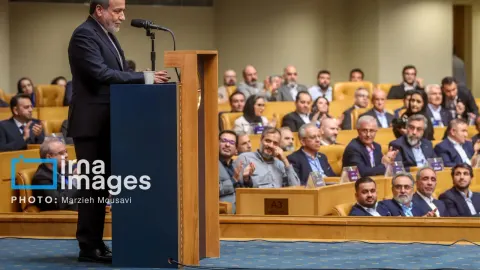
In Tehran, the response has been one of calculated defiance rather than de-escalation. Foreign Ministry spokesperson Esmaeil Baghaei took to social media, using a clip from the film The Apprentice to mock the U.S. stance with the message "Never admit defeat." This rhetorical sparring, combined with kinetic actions in the Gulf, has paralyzed vital transit routes, notably affecting Qatar’s gas exports. For the Iranian market, this has kept the Toman at a stabilized but extremely high level, with the USD selling at 180,400 Toman, as traders brace for the potential fallout of a collapsed ceasefire.
Market Tremors: Bitcoin Slides as Oil Shock Looms
The broader financial markets are beginning to buckle under the weight of a potential $300 billion shock. As the Strait of Hormuz remains almost completely blocked, analysts are warning that the "higher-for-longer" oil price environment is no longer a temporary spike but a structural threat to global growth. U.S. stock index futures have retreated, and Treasury yields are climbing, reflecting a flight to safety that paradoxically hurts risk assets. The market’s rally from last week has stalled, with investors now pricing in the long-term costs of a protracted conflict between the U.S. and Iran.
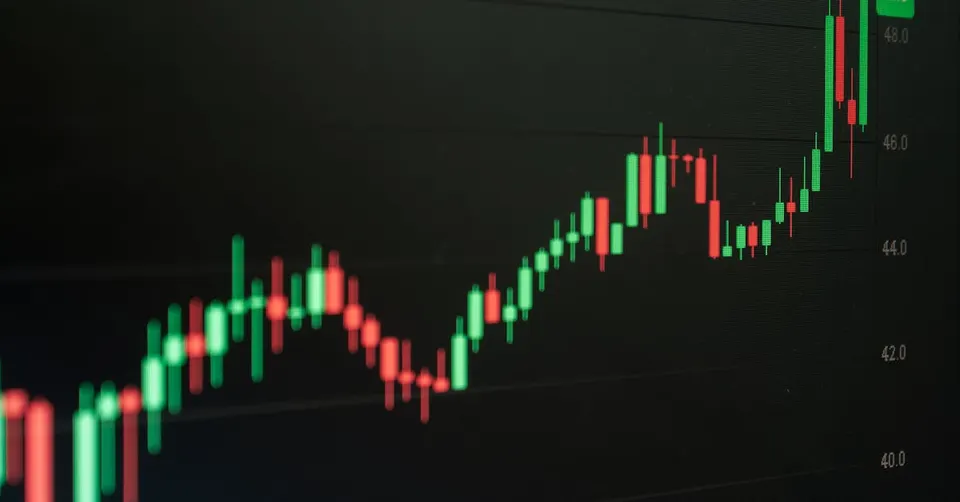
Bitcoin has felt the brunt of this macro-economic squeeze, sliding below the critical $77,000 support level to trade at $76,720. While long-term holders appear to be staying the course—with exchange balances at six-year lows—short-term speculators are being flushed out by rising volatility. Adding to the crypto industry's woes, major ATM operator Bitcoin Depot has filed for Chapter 11 bankruptcy, citing a restrictive regulatory environment. The interplay between energy costs and liquidity is becoming the dominant narrative; if oil continues its ascent, the pressure on the Federal Reserve to maintain high interest rates could further stifle any immediate crypto recovery.
Global Policy Shifts: From Australian Budgets to the Xi-Putin Summit
Beyond the Middle East, major Western economies are grappling with internal fractures. In Australia, Treasurer Jim Chalmers is fighting back against what he calls an "unhinged scare campaign" regarding the latest budget. The political fallout from new trust rules and housing policies has seen the Labor government take a hit in the polls, as the opposition labels new measures a "death tax by stealth." This domestic instability in a major resource exporter adds another layer of uncertainty to a global economy already struggling with supply chain disruptions and the humanitarian costs of the war.
Simultaneously, the geopolitical landscape is shifting toward a new multipolar reality. Xi Jinping is preparing to welcome Vladimir Putin to Beijing, just four days after hosting Donald Trump. This diplomatic balancing act highlights China’s role as the central pivot in global affairs. For Iranian observers and market participants, this summit is crucial; it suggests that even if Western sanctions intensify, a robust, alternative economic bloc remains capable of sustaining energy trade. This realignment is a long-term bearish signal for the hegemony of the US Dollar, which currently sits at 180,400 Toman in the local market, while gold prices hold steady near 19,845,099 Toman per gram.
Domestic Realities: Gold Stability and Social Cohesion
In the Iranian domestic market, the price of gold and currency has shown a rare moment of consolidation despite the surrounding chaos. The 18k gold price moved from 19,839,558 to 19,845,099 Toman (+0.0%), reflecting a market that is waiting for a more definitive signal before making its next move. Meanwhile, the Emami coin saw a slight correction, dropping from 194,500,000 to 194,000,000 Toman (-0.3%). This relative stability in the face of war rhetoric suggests that much of the "war premium" has already been priced into the local currency, though the floor remains high.
Globally, the social cost of these economic pressures is becoming a political flashpoint. In Britain, the launch of the "National Conversation" project highlights fears that the country is being "torn apart by differences" over community and identity. As the cost of food, fuel, and fertilizer soars due to the Middle East conflict, the humanitarian relief system is facing a grave challenge. For the average citizen, whether in London or Tehran, the macro-economic shifts of May 2026 are translating into a tangible squeeze on purchasing power and social stability, making the next few weeks critical for global policy direction.
Frequently Asked Questions
Was the Barakah nuclear plant damaged in the drone strike?
Why is Bitcoin dropping while oil prices are rising?
What does Trump's 'clock is ticking' comment imply for Iran?
Why is the USD/IRR rate stable despite the news of a strike?
Why the Strait of Hormuz Matters: Geopolitics, Oil, and Global Markets
The Strait of Hormuz is a narrow waterway that connects the Persian Gulf with the Gulf of Oman, and it is the world’s most critical chokepoint for crude oil. Roughly one‑fifth of global oil consumption passes through the 21‑mile‑wide strait each day, making any disruption—whether from military conflict, sabotage, or even a brief closure—immediately felt in international oil prices. Because the flow of oil is so concentrated, market participants treat the strait as a barometer of geopolitical risk; when tensions rise between Iran and its regional rivals, traders often price in a “risk premium” that pushes Brent and WTI futures higher.
Geopolitical events that have targeted the Hormuz corridor illustrate its vulnerability. In 2019, a series of attacks on tankers and the downing of a U.S. drone heightened fears of a broader confrontation, prompting a temporary spike of over 10 % in oil prices. More recently, rhetoric from the United States and Iran—such as the “clock is ticking” warning issued by former President Trump—has revived concerns that a strike near the Barakah nuclear plant or other flashpoints could spill over into the maritime domain. Even the mere threat of closing the strait can force oil‑importing nations to tap strategic reserves, as seen during the 2020 COVID‑19 market shock.
The economic consequences extend beyond crude. Higher oil prices reverberate through global supply chains, raising transportation costs, inflating consumer prices, and pressuring central banks to adjust monetary policy. For oil‑exporting economies like Saudi Arabia, a Hormuz disruption can boost revenues, while oil‑importing countries—especially those with weaker currencies such as Iran’s rial—face heightened inflation and balance‑of‑payments strain. Moreover, the volatility can influence unrelated markets; the recent plunge of Bitcoin from $77,000 was partly attributed to investors fleeing riskier assets amid escalating Middle‑East tensions.
Understanding the strategic importance of the Strait of Hormuz helps explain why diplomatic engagements, such as the Xi‑Putin summit in Beijing or the Australian budget announcements by Jim Chalmers, often include references to energy security. Nations seek to diversify supply routes, invest in alternative energy, or bolster strategic petroleum reserves to mitigate the outsized influence of a single maritime bottleneck. In short, the strait is not just a geographic feature—it is a linchpin of the global energy system whose stability underpins everything from gasoline prices at the pump to the valuation of digital assets.
Topics
Related Articles