Iran Mulls Bitcoin for Hormuz 'Insurance'; Gaza Conflict Fuels Aussie Court Case
ایران به بیتکوین برای 'بیمه' تنگه هرمز میاندیشد؛ درگیری غزه پرونده دادگاه استرالیا را داغ کرد
Reports suggest Iran is exploring a novel 'insurance' scheme for ships transiting the Strait of Hormuz, potentially payable in Bitcoin. Meanwhile, a high-profile Australian court case highlights the ongoing international fallout from comments made about the Gaza conflict.
At time of publishing
USD
180,400
Toman
Gold 18K
19.86M
Toman / gram
Bitcoin
$76,964
US Dollar
Tether
18,087.3
Toman
Iran Explores Bitcoin for Strait of Hormuz Shipping Security
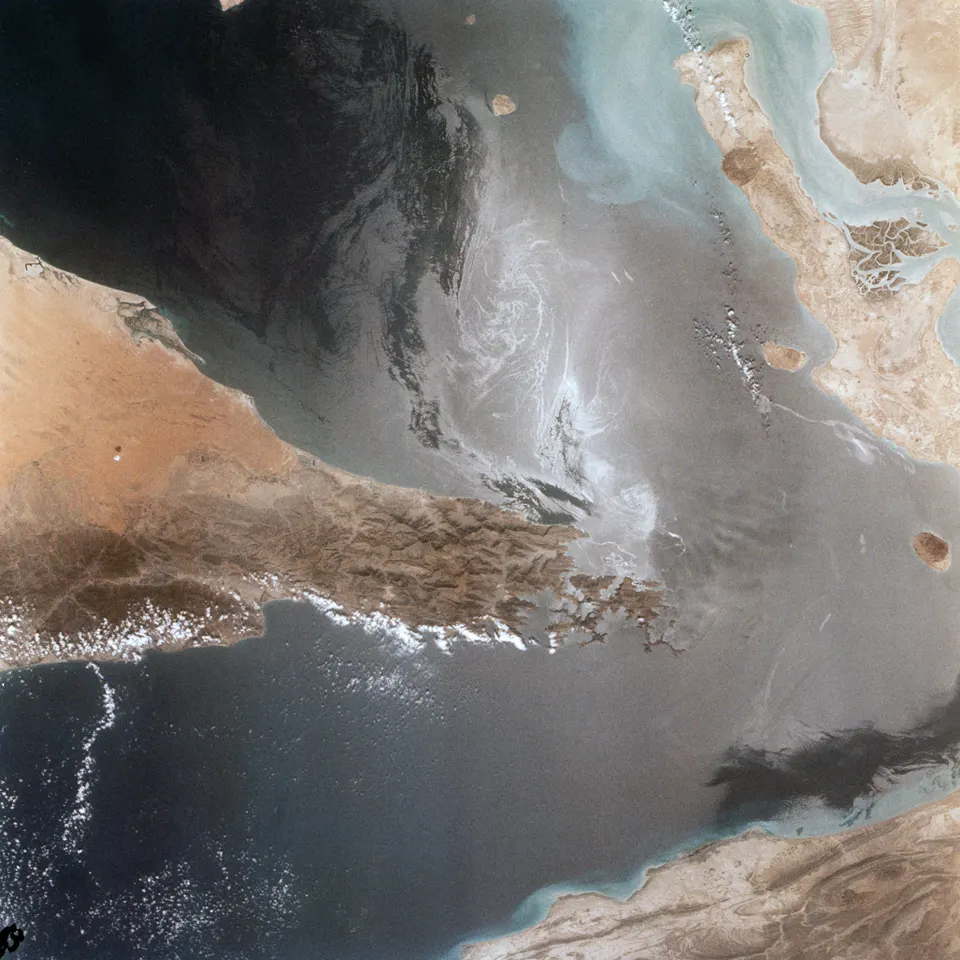
In a move that could redefine maritime risk management and cryptocurrency adoption, reports indicate that Iran is considering an innovative 'insurance' scheme for vessels navigating the critical Strait of Hormuz. Screenshots circulating on social media showcase a concept dubbed "Hormuz Safe," which purports to offer "digital insurance" for ships. Local news outlets, including the state-linked Fars News Agency, have cited the Iranian economy ministry's work on a plan to manage shipping through this vital waterway, with payments potentially denominated in Bitcoin.
This potential initiative comes at a time of heightened geopolitical tension in the region, with disruptions and threats to shipping in the Strait of Hormuz having significant global economic ramifications. By proposing a Bitcoin-based insurance system, Iran could be seeking to bypass traditional financial channels, potentially circumventing sanctions or creating a more resilient system for trade and transit. The implications are far-reaching, suggesting a growing willingness by nations to integrate cryptocurrencies into state-level economic and security strategies, particularly in areas susceptible to geopolitical instability. This could also signal a new avenue for Bitcoin adoption beyond speculative investment, into practical, strategic applications.
---
Australian Court Case Over Gaza Comments Highlights International Divides
A significant legal battle is unfolding in Australia, where classical pianist Jayson Gillham is suing the Melbourne Symphony Orchestra (MSO). Gillham alleges unlawful discrimination following the cancellation of a concert in August 2024, claiming the MSO sought to silence him over his public statements regarding the Gaza conflict and Israeli actions. The case underscores the deep divisions and sensitivities surrounding the ongoing conflict, extending its reach into cultural and professional spheres.
Gillham has reportedly stated in federal court that he never considered apologising for his comments, emphasizing his stance and the alleged attempt to suppress his views. This legal dispute highlights the challenges faced by individuals expressing opinions on contentious geopolitical issues, particularly when those opinions are perceived to conflict with institutional or public sentiment. The outcome of this case could set precedents for freedom of expression within the arts and professional organizations in Australia and potentially influence how such matters are handled internationally, demonstrating the long shadow cast by global events on domestic affairs.

---
Crypto Security Faces AI Arms Race, DeFi Protocol Restores Limits
In the fast-evolving world of cryptocurrency, a new challenge is emerging: an AI-driven arms race in security and compliance. Simone Maini, CEO of Elliptic, has warned that the sheer scale and speed at which AI agents can operate, coupled with automated payments, could soon overwhelm existing crypto monitoring systems designed for human-paced markets. This development signals a critical juncture for the industry, requiring significant technological advancements to maintain security and regulatory oversight.
Meanwhile, the decentralized finance (DeFi) sector is seeing activity as the Aave protocol has begun restoring ether borrowing limits. This move comes after restrictions were imposed following a substantial exploit earlier in the year. The restoration of borrowing capacity across multiple networks suggests a degree of stabilization and easing of contagion fears within the DeFi ecosystem. However, the underlying concern about AI's impact on security remains, pointing to a future where the technological sophistication of threats and defenses in the crypto space will continue to escalate.

Frequently Asked Questions
What is the 'Hormuz Safe' initiative reportedly being considered by Iran?
Why is a pianist suing the Melbourne Symphony Orchestra in Australia?
What is the emerging threat in cryptocurrency security?
What changes are happening with the Aave DeFi protocol?
How do geopolitical tensions in the Strait of Hormuz affect global markets?
Sanctions Evasion and the Role of Cryptocurrencies
Economic sanctions are powerful foreign policy tools, designed to pressure targeted countries, entities, or individuals by limiting their access to the global financial system. These restrictions typically involve freezing assets, banning trade, and cutting off access to international banking networks like SWIFT. While effective in isolating targets, sanctions also create a strong incentive for those affected to seek alternative financial channels that operate outside the traditional, regulated framework.
This is where cryptocurrencies like Bitcoin enter the picture. Unlike fiat currencies that rely on central banks and commercial financial institutions, cryptocurrencies are decentralized, operating on a peer-to-peer network known as a blockchain. This fundamental characteristic means transactions can occur globally without the need for intermediaries that enforce sanctions, offering a potential pathway for sanctioned entities to move value, facilitate trade, or even pay for services. The pseudo-anonymous nature of many cryptocurrencies further complicates tracking by traditional financial surveillance methods.
For countries facing extensive sanctions, such as Iran, exploring cryptocurrencies becomes a strategic consideration. The headline's mention of "Hormuz 'Insurance'" hints at the desire to secure critical trade routes and economic activities, like oil exports through the Strait of Hormuz, against financial blockades. By utilizing Bitcoin or other digital assets, a nation might attempt to bypass the conventional banking system for international transactions, potentially facilitating imports, exports, or even receiving payments for goods and services that would otherwise be halted by sanctions.
However, using cryptocurrencies for large-scale sanctions evasion is far from simple or risk-free. The extreme volatility of many digital assets, coupled with limited liquidity for substantial transactions, poses significant practical challenges. Furthermore, while often described as anonymous, most blockchain transactions are publicly recorded, allowing sophisticated blockchain analytics firms and government agencies to trace funds and identify patterns. This ongoing "cat-and-mouse" game between those enforcing sanctions and those seeking to evade them continues to evolve, pushing both sides to develop more advanced technological and regulatory strategies.
Topics
Related Articles