Aviation Braces for Fuel Shocks as HSBC Bets $4B on Energy Shift Amid Iran Tensions
آمادگی صنعت هوانوردی برای شوک سوختی؛ سرمایهگذاری ۴ میلیارد دلاری HSBC در انرژیهای پاک
As Ryanair warns of rising fares due to jet fuel uncertainty linked to regional conflict, HSBC launches a $4 billion fund for China's green tech to hedge against the global oil crunch. Meanwhile, the Toman sees a slight cooling despite heightened geopolitical warnings from Washington.
At time of publishing
USD
180,100
Toman
Gold 18K
19.83M
Toman / gram
Bitcoin
$76,961
US Dollar
Tether
18,002.2
Toman
Ryanair Warns of Fare Hikes Amid Regional Fuel Anxiety
Ryanair, Europe’s largest budget carrier, has signaled a cautious but firm warning to travelers as the conflict involving Iran continues to rattle global energy supply chains. Chief Financial Officer Neil Sorahan stated that while the airline is "confident" it will avoid a total jet fuel shortage this summer, the long-term outlook remains volatile. The airline noted that passengers are increasingly delaying their bookings, a behavior that typically precedes a spike in ticket prices as capacity becomes squeezed by operational risks in the Middle East.
The anxiety stems from the ongoing war and its direct impact on refinery outputs and shipping lanes. Sorahan’s comments highlight a broader industry trend where airlines are forced to hedge against supply shocks. For Iranian travelers and the regional diaspora, this translates into higher costs for international mobility. As jet fuel becomes a strategic asset rather than a commodity, the threshold for affordable travel is shifting, potentially isolating regions further if the conflict escalates toward critical infrastructure.

HSBC’s $4 Billion Bet on the Post-Oil Era
In a massive strategic pivot, HSBC has launched a $4 billion investment vehicle specifically designed to fund China’s clean energy export boom. This move, dubbed the Sustainability and Transition Credit Facility, targets wind, solar, electric vehicles, and AI-driven energy management. The timing is no coincidence; the International Energy Agency (IEA) reports that the current tri-lateral conflict between the US, Israel, and Iran has already resulted in the loss of 1 billion barrels of global oil supply.
This shift by one of the world’s largest financial institutions underscores a fundamental reality: the global economy is accelerating its divorce from Middle Eastern fossil fuels to mitigate geopolitical risk. By betting on Chinese green tech, HSBC is positioning itself to profit from the very technologies that will replace the oil currently trapped behind blockade threats in the Strait of Hormuz. For the regional economy, this signifies a long-term decline in the strategic leverage of oil, even as prices remain high in the short term due to immediate scarcity.

Geopolitical Warnings and the Toman’s Resilience
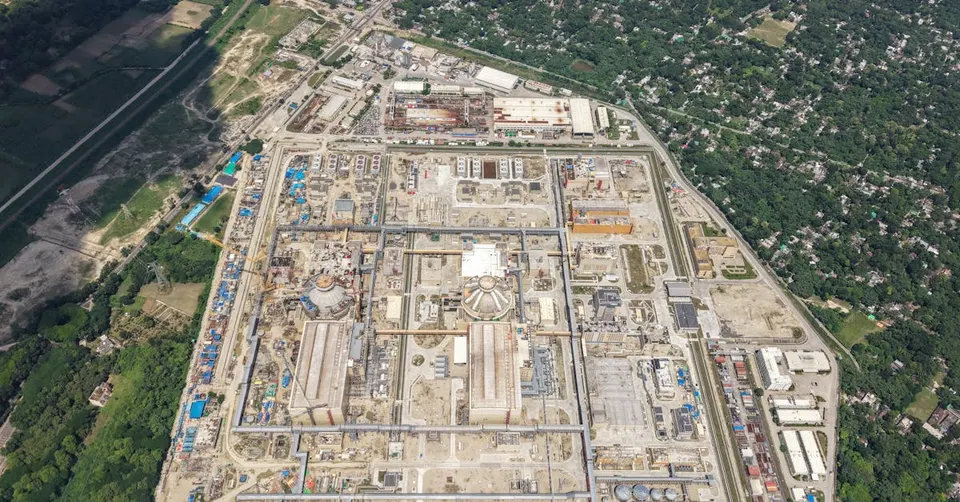
The political atmosphere reached a fever pitch this morning as U.S. President Donald Trump issued a blunt warning, stating the "clock is ticking" for Tehran to reach a new settlement. This follows a drone strike near the UAE’s Barakah nuclear power plant, an incident that has drawn sharp condemnation from Oman and other regional neighbors. Despite these escalatory signals, the Iranian market has shown a surprising degree of localized stability during the midday session.
In the Tehran market, the USD/IRR pair moved from 180,400 to 180,100, marking a slight decrease of 0.2%. Similarly, the Emami gold coin saw a more pronounced correction, dropping from 194,500,000 to 192,500,000 Toman (-1.0%). This suggests that while the rhetoric is heating up, local traders may have already priced in the current level of tension, or are waiting for more definitive military or diplomatic movements before committing to a further breakout. However, with oil prices hovering near $110, the underlying inflationary pressure remains a significant concern for the second half of the year.
Crypto Markets and the 'Sell in May' Dilemma
Bitcoin and the broader crypto market are currently navigating a complex landscape where traditional seasonal trends are clashing with institutional adoption. Bitcoin (BTC) is trading at $76,961, while Ethereum (ETH) faces selling pressure, partly attributed to the inverse correlation with surging oil prices. Analysts are divided on whether the "sell in May" adage will hold true this year. Unlike previous cycles, the presence of spot ETFs and a broader institutional buyer base may provide a floor that didn't exist during the bear markets of 2018 or 2022.
Adding to the volatility, the DeFi sector was hit by another exploit, with the Verus-Ethereum bridge reportedly losing $11.6 million. These security breaches, combined with regulatory hurdles in the U.S. Senate regarding market structure bills, are keeping retail investors cautious. For the Iranian crypto community, these global movements are critical, as digital assets continue to serve as a primary hedge against domestic currency fluctuations and a tool for international settlements in a restricted banking environment.
Frequently Asked Questions
Why is Ryanair warning about jet fuel shortages now?
What is the significance of HSBC's $4 billion investment in China?
How has the Iranian Rial responded to the latest geopolitical warnings?
Geopolitical Risk and Oil Price Volatility
Geopolitical risk refers to the potential for political events, conflicts, or instabilities in one part of the world to significantly impact global economic and financial conditions. In the context of energy, this risk is particularly acute for oil prices. Regions rich in oil reserves, such as the Middle East, are often focal points of geopolitical tensions. Any perceived threat to the stability of these regions, or to the critical shipping lanes through which oil is transported (like the Strait of Hormuz), can trigger immediate and dramatic reactions in the global oil markets, leading to sudden price surges or "fuel shocks."
The mechanism behind these shocks is multifaceted. Firstly, actual or anticipated supply disruptions can directly reduce the amount of oil available on the market, driving prices up. Even the threat of disruption, or increased political uncertainty, can lead to speculative trading as investors bet on future price increases, further exacerbating volatility. Secondly, oil is a globally traded commodity, and its price is determined by a delicate balance of supply and demand. Geopolitical events can swiftly upset this balance, affecting not just the cost of crude oil but also refined products like jet fuel, which directly impacts industries such as aviation, as highlighted by concerns over "Ryanair fuel shortage."
The economic ramifications of oil price volatility are far-reaching. Higher oil prices translate into increased costs for transportation, manufacturing, and nearly every sector of the economy, often leading to inflation. Consumers face higher prices at the pump and for goods transported by fossil fuels, potentially reducing disposable income and consumer spending. For businesses, especially energy-intensive ones like airlines, sudden fuel shocks can severely impact profitability and operational planning. This inherent vulnerability to geopolitical events also serves as a powerful impetus for the "Global energy transition," prompting nations and corporations like HSBC to invest heavily in renewable energy sources to reduce reliance on volatile fossil fuel markets.
Topics
Related Articles