Trump Faces Domestic Backlash as UAE Nuclear Strike Escalates Iran Tensions; Markets Brace for Middle East Shock
فشار داخلی بر ترامپ در پی حمله به نزدیکی نیروگاه هستهای امارات؛ بازارها در انتظار شوک جدید ژئوپلیتیک
A drone strike near a UAE nuclear facility has pushed regional tensions to a breaking point, just as President Trump faces growing domestic opposition to military action. Meanwhile, Deutsche Bank warns investors to seek protection as market focus shifts from tech earnings to Middle East volatility.
At time of publishing
USD
180,850
Toman
Gold 18K
19.87M
Toman / gram
Bitcoin
$76,790
US Dollar
Tether
17,921.9
Toman
The Brink of Escalation: UAE Strike and Trump’s Dilemma
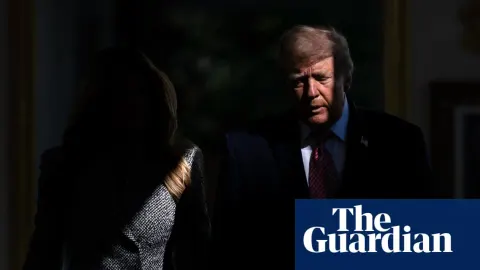
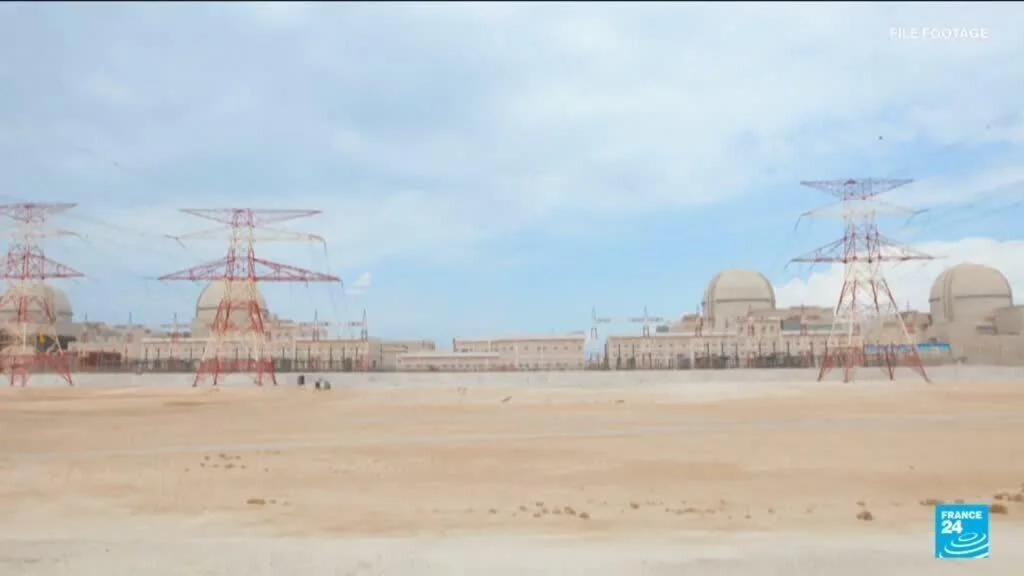
Geopolitical risks in the Persian Gulf have surged following a drone strike that triggered a fire near a nuclear power plant in Abu Dhabi. While no radiological leaks were reported, the psychological and economic impact was immediate. President Donald Trump is scheduled to convene with top national security advisers on May 19 to discuss military options, having already warned that the "clock is ticking" for Tehran. However, the administration faces a significant domestic hurdle: public sentiment in the United States is increasingly turning against another Middle Eastern conflict. Analysts suggest that the war against Iran is growing more unpopular by the day, complicating any potential for a swift military response.
For the Iranian reader, this translates to heightened volatility in the foreign exchange market. In the last 24 hours, the USD/IRR rate moved from 180,400 to 180,850 (+0.2%), reflecting a cautious but nervous sentiment among traders. The uncertainty surrounding Trump's next move and the domestic pressure he faces creates a complex landscape for the Rial. If the U.S. remains hesitant due to internal politics, we may see a temporary stabilization, but any sign of direct military engagement could send the dollar into uncharted territory.

Market Warning: Deutsche Bank Says ‘Buy Protection’
As the global financial world awaits Nvidia’s earnings on Wednesday, Deutsche Bank has issued a stark warning to investors. The bank suggests that the primary drivers of the recent market rally are weakening, and it is time for investors to buy protection. The narrative is shifting away from the tech-led euphoria of the U.S. earnings season and toward the disruption caused by events in the Middle East. With Treasury yields potentially peaking near 5% in the coming weeks, according to veteran Ed Yardeni, the opportunity for traditional stocks and bonds is becoming a high-stakes gamble against geopolitical stability.
In the local Iranian market, gold has mirrored this global anxiety. Gold 18k per gram rose from 19,839,558 to 19,873,031 (+0.2%), while the global ounce stands at a staggering $4,540.50. Interestingly, the Emami coin saw a slight correction, dropping from 194,500,000 to 193,000,000 (-0.8%), which may indicate local profit-taking or a temporary liquidity shift as investors wait for clearer signals from the upcoming U.S. security meetings. The message from institutional giants like Deutsche Bank is clear: the era of ignoring regional conflict in favor of corporate balance sheets is coming to an end.

Human Rights and Sports: The Soft Power Struggle
Amnesty International’s latest annual report has highlighted a record increase in death sentences and executions worldwide throughout 2025. While China remains the world’s lead executioner, the report notes that the number of executions in Iran nearly doubled compared to 2024. This surge in capital punishment comes at a time when the humanitarian relief system is already decimated by funding cuts and soaring costs for fuel and fertilizer. The international community’s focus on these figures often precedes further diplomatic isolation or targeted sanctions, which could further strain Iran’s struggling economy.
Simultaneously, the struggle for national identity is playing out on the football pitch. The Iranian Foreign Ministry has officially reminded the United States, as a co-host of the 2026 World Cup, of its duty to issue visas for the national team. Foreign Ministry spokesperson Esmaeil Baqaei emphasized that FIFA regulations mandate the host country to facilitate the participation of all qualified teams. This diplomatic friction occurs just as global stars like Kylian Mbappé are using their platforms to speak out against far-right movements in Europe, showing that the intersection of sports, human rights, and politics is becoming more volatile than ever.
Watch
War against Iran is "growing more unpopular by the day" in the US • FRANCE 24 English
FRANCE 24 English
Frequently Asked Questions
How did the USD/IRR react to the UAE drone strike?
Why is Deutsche Bank recommending investors buy protection?
What is the status of Iran's 2026 World Cup visas?
Why did the Emami coin price drop despite rising gold prices?
Geopolitical Risk: Understanding Market Reactions to Global Tensions
Geopolitical risk refers to the uncertainty and instability arising from political events, conflicts, and international relations that can significantly impact global economies and financial markets. The scenario described in the headline—an escalating conflict involving a nuclear strike and rising tensions in the Middle East—is a prime example. Such events introduce profound unpredictability, making it difficult for businesses and investors to forecast future conditions, leading to widespread apprehension and a re-evaluation of risk.
When geopolitical tensions flare up, financial markets typically react with heightened volatility and a "flight to safety." Investors tend to move capital out of riskier assets, like stocks, and into perceived safe havens. This often results in a broad sell-off in equity markets and a surge in demand for assets considered more stable during times of crisis. The Middle East, being a critical region for global energy supply, means that any significant conflict there almost invariably leads to a sharp increase in oil prices, impacting inflation and economic growth worldwide.
Specific assets are particularly sensitive to geopolitical shocks. Gold, for instance, has long been regarded as the quintessential safe-haven asset, with its price often rising substantially as investors seek to preserve wealth amidst uncertainty and currency depreciation fears. Currencies also see significant shifts: the U.S. Dollar (USD) often strengthens as a global reserve currency, while currencies of nations directly involved in or heavily exposed to the conflict, like the Iranian Rial (IRR) in this hypothetical scenario, may experience sharp depreciation. Bond markets can also see yields fall on safe-haven government bonds as demand rises, while corporate bonds in affected regions might struggle.
Topics
Related Articles