Trump Ties Fed Rates to 'Iran War' as Fragile Truce Strains; Nvidia Earnings Loom Over Shaky Markets
گره خوردن نرخ بهره آمریکا به «جنگ ایران» توسط ترامپ؛ فشار بر آتشبس شکننده و انتظار بازار برای انویدیا
President Trump has signaled that US interest rate cuts are on hold until the 'war with Iran' concludes, while a fragile ceasefire faces its greatest test following regional strikes. Meanwhile, Iranian markets see a slight cooling as the USD and gold prices dip amid high-stakes geopolitical waiting.
At time of publishing
USD
179,700
Toman
Gold 18K
19.75M
Toman / gram
Bitcoin
$76,789
US Dollar
Tether
17,874.4
Toman
Trump Links Monetary Policy to Regional Conflict
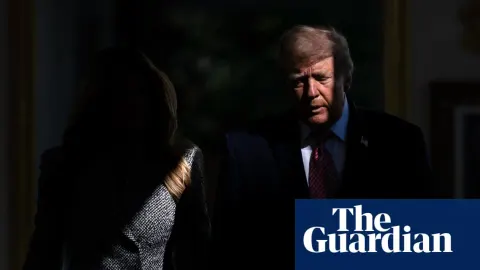
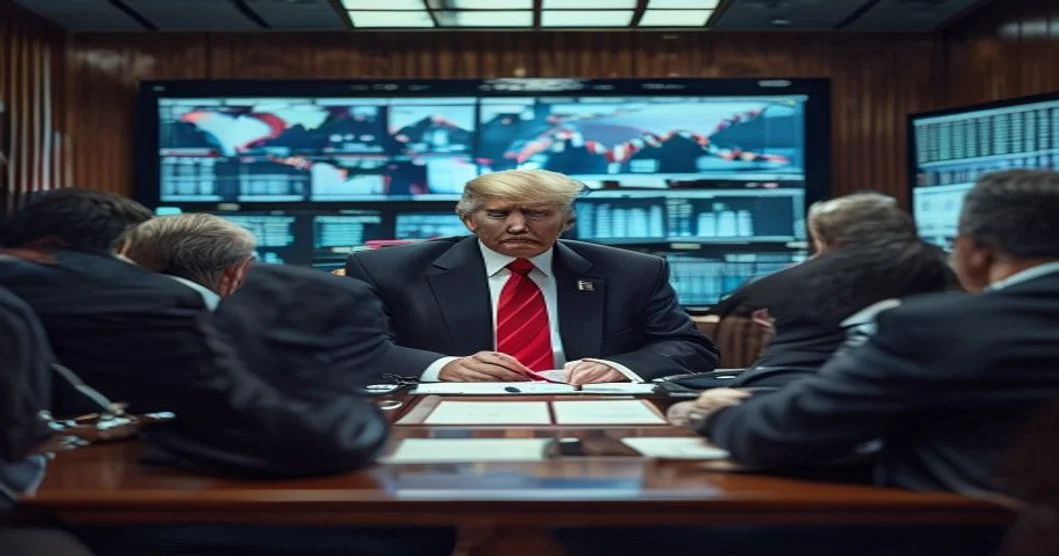
In a move that has sent ripples through global financial corridors, President Donald Trump stated in a Monday interview with Fortune magazine that the Federal Reserve may have to delay interest rate cuts indefinitely. Trump explicitly tied the hands of US monetary policy to the ongoing regional tensions, noting that "you can’t really look at the figures until the war with Iran is over." This admission marks a significant shift in how the White House views the economic cost of the current conflict, suggesting that the inflationary pressures of war and energy price volatility are now the primary drivers of US domestic fiscal strategy.
For Iranian observers and market participants, this signal is critical. It suggests that the 'higher for longer' interest rate environment in the US will persist as long as regional instability remains, keeping the US Dollar globally strong and putting continued pressure on emerging market currencies, including the Rial. The Republican focus on redistricting in South Carolina, particularly targeting veteran Democrat Jim Clyburn’s seat, further illustrates a party consolidating power at home to maintain a hardline stance abroad. This political domestic maneuvering ensures that any diplomatic 'off-ramp' with Tehran will likely be secondary to US electoral and legislative goals.

The Fragile Truce Under Immense Pressure
The diplomatic efforts to stabilize the Middle East are currently teetering on the edge of collapse. Despite a ceasefire being in place since April 8, following the outbreak of hostilities in late February, a recent strike near a UAE nuclear power plant has brought negotiations to a standstill. Washington and Tehran have been exchanging proposals through intermediaries, but the lack of a second formal round of talks is fueling market anxiety. Analysts suggest that the 'truce' is now little more than a tactical pause, with both sides using the time to regroup rather than reach a permanent settlement.
This atmospheric tension is reflected in the cooling of the Iranian markets today. The USD/IRR exchange rate moved from 180,400 to 179,700, marking a 0.4% decrease. While a drop in price usually suggests stability, in this context, it reflects a 'wait-and-see' paralysis among traders. Gold 18k also saw a minor retreat, falling from 19,839,558 to 19,749,065 Toman per gram (-0.5%). The market is not finding relief; rather, it is holding its breath as the threat of the ceasefire's total dissolution looms over the Strait of Hormuz and regional energy infrastructure.

Humanitarian Toll and the Tech Sector's AI Anxiety
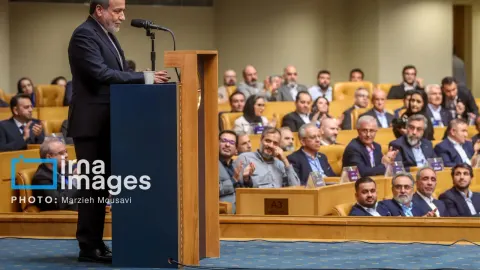
On the domestic front, Iran’s Health Minister Mohammad-Reza Zafarghandi met with the President of the International Committee of the Red Cross (ICRC), Mirjana Spoljaric Egger, to detail the extensive damage to medical and humanitarian facilities. Framing the conflict as a "US-Israeli imposed war," the Iranian government is seeking international recognition of the strain on its healthcare infrastructure. This move serves a dual purpose: securing humanitarian corridors and mobilizing international sentiment against the sanctions-heavy approach of the Trump administration, which has complicated the import of essential medical technologies.
Globally, the focus is shifting toward the tech sector as investors prepare for Nvidia’s earnings report and a looming court decision in the OpenAI vs. Elon Musk trial. Anthropic’s recent decision to brief global finance watchdogs, including the Bank of England, on the cyber risks of its 'Claude Mythos' model highlights a new era of risk management. For the Iranian tech community, these developments are more than just news; they dictate the future of AI accessibility and cyber defense in a region increasingly targeted by sophisticated digital warfare. As tech stocks fluctuate, the intersection of AI security and geopolitical stability has never been more apparent.
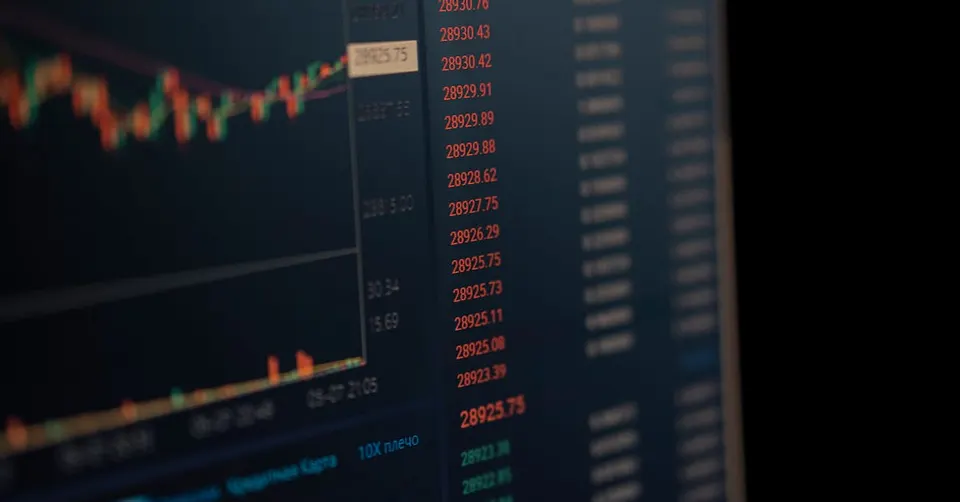
Market Summary and Coin Performance
The Iranian gold coin market showed the most significant volatility in the last 24 hours. The Emami coin dropped from 194,500,000 to 192,000,000 Toman, a 1.3% decline that outpaced both the currency and bullion markets. This sharper drop in coin prices often indicates a reduction in the 'bubble' or speculative premium as retail investors move toward more liquid assets or cash in anticipation of further regional escalations. Despite the slight downward trend in prices, the underlying sentiment remains one of extreme caution.
In the crypto space, Bitcoin has slipped below the $77,000 mark, currently trading at $76,789. This movement is a direct response to the heightened rhetoric from Washington, as crypto remains the primary 'risk-on' asset class that reacts first to war footing. With the IMF urging the UK to maintain its fiscal course and South Korea tightening its grip on crypto-banking ties, the global liquidity environment is tightening. For Iranians using crypto as a hedge against the Rial, the current $76k-77k range represents a critical support level that will be tested if the US-Iran truce officially breaks.
Frequently Asked Questions
Why is Trump linking US interest rates to the conflict with Iran?
What caused the recent dip in USD and Gold prices in Iran?
How is the US-Iran ceasefire holding up?
What is the significance of Nvidia's upcoming earnings for the market?
The Crucial Role of Central Bank Independence
Central bank independence refers to the freedom of a country's central bank from direct political interference in the conduct of monetary policy. This means that decisions regarding interest rates, money supply, and other monetary tools are made by technocrats, often economists, based on economic data and long-term objectives like price stability and maximum sustainable employment, rather than being swayed by short-term political agendas or electoral cycles. The Federal Reserve in the United States, for instance, operates with a significant degree of independence from the executive and legislative branches, a structure widely adopted by major economies worldwide.
The primary rationale behind central bank independence is to prevent governments from using monetary policy for immediate political gain, which can often lead to detrimental long-term economic consequences. For example, a government facing an election might pressure the central bank to lower interest rates to stimulate the economy temporarily, creating a "political business cycle." While this might boost short-term employment or growth, it often results in higher inflation down the line, eroding purchasing power and creating economic instability. An independent central bank, insulated from such pressures, can make tough, unpopular decisions necessary for sustainable economic health.
This independence fosters credibility in financial markets. When investors and businesses trust that monetary policy decisions are based on sound economic principles rather than political expediency, it reduces uncertainty, encourages investment, and helps anchor inflation expectations. The perception of political pressure, as suggested by a political figure tying interest rates to geopolitical events like a potential "Iran War," can undermine this credibility, potentially leading to market instability, currency depreciation, and higher inflation expectations as market participants anticipate politically motivated rather than economically sound policy choices.
Topics
Related Articles