Trump’s ‘Clock is Ticking’ Ultimatum Rattles Markets as Bitcoin Slips and Saylor Buys the Dip
هشدار «تیکتاک» ترامپ به ایران؛ نوسان در بازار کریپتو و خرید ۲ میلیارد دلاری مایکل سیلور
President Trump has issued a stark warning to Tehran, claiming 'time is of the essence' for a new deal, while regional tensions flare following a drone incident in the UAE. Markets are reacting with Bitcoin sliding below $77,000, even as institutional giants like Michael Saylor double down with a $2 billion purchase.
At time of publishing
USD
179,100
Toman
Gold 18K
19.73M
Toman / gram
Bitcoin
$77,362
US Dollar
Tether
17,865
Toman
The Clock Ticks: Trump’s High-Stakes Ultimatum
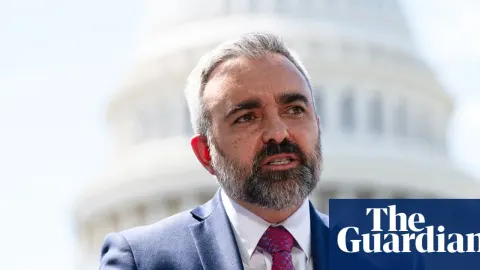
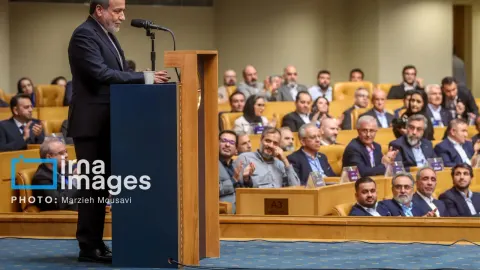
Donald Trump has once again set the geopolitical stage on fire, using his digital megaphone to warn Tehran that the "clock is ticking." In a series of provocative statements, the U.S. President voiced extreme impatience with the current deadlock in peace negotiations, suggesting that if a deal isn't reached "FAST," there might be "nothing left" of the country. This rhetoric comes at a particularly sensitive moment, following a drone strike near a nuclear power plant in the United Arab Emirates. While the UAE has blamed Iranian proxies for the "dangerous escalation," the timing of Trump’s ultimatum suggests a coordinated effort to ramp up the "maximum pressure" campaign to its absolute limit.
For readers in Iran, this verbal escalation is more than just political theater; it is a direct driver of market sentiment. Although the USD/IRR rate actually saw a slight decline today—moving from 180,400 to 179,100 (-0.7%)—the underlying anxiety is palpable. Traders are weighing the possibility of a genuine diplomatic breakthrough against the risk of a military miscalculation. Trump’s mention of "time being of the essence" implies a deadline that hasn't been publicly specified, creating a vacuum of uncertainty that often precedes significant currency volatility.

Bitcoin’s Geopolitical Shiver and Saylor’s $2 Billion Bet
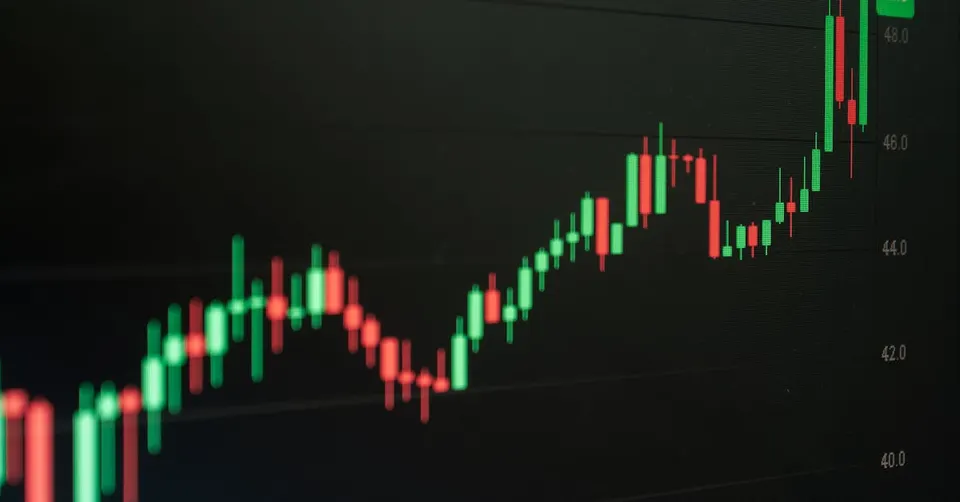
The cryptocurrency market, often viewed as a barometer for global risk appetite, reacted sharply to the news. Bitcoin (BTC) slipped from its recent highs, falling to the $76,000–$77,000 range as the "war drums" in the Middle East soured investor mood. Analysts suggest that if tensions continue to simmer without a diplomatic off-ramp, BTC could revisit the $65,000 demand zone. This dip reflects a broader retreat from risk assets as investors seek the perceived safety of the U.S. dollar and gold, despite the local Toman-denominated gold prices showing a modest 0.5% decrease today to 19,734,983 Toman per gram.
However, while retail investors might be panicking, institutional conviction remains unshaken. Michael Saylor’s MicroStrategy has just announced another massive acquisition, purchasing 24,869 BTC for approximately $2 billion. This brings the company’s total holdings to over 4% of the entire 21-million-coin supply. This "Big Dot Energy," as Saylor calls it, represents a massive vote of confidence in the long-term value of digital assets, even as short-term geopolitical shocks cause temporary price bleeding. It highlights a growing divide in the market: those who see Bitcoin as a volatile risk asset and those who view it as the ultimate hedge against the very instability Trump’s rhetoric creates.
Economic Resilience vs. Energy Anxiety
Beyond the immediate conflict zone, the global economy is sending mixed signals. The International Monetary Fund (IMF) has surprisingly upgraded the UK’s growth forecast for 2026, moving it from 0.8% to 1.0%. While this seems like a minor adjustment, it signals a slow recovery in European demand. However, this optimism is tempered by the aviation sector's growing anxiety. Ryanair CEO Michael O’Leary recently stated that while the airline has "near-zero concerns" about immediate fuel shortages, the uncertainty surrounding the Middle East is forcing travelers to book later, which could lead to significantly higher fares by the end of the summer.
This creates a complex environment for the Iranian economy. On one hand, global growth (even if marginal) supports oil demand; on the other, the threat of supply chain disruptions in the Persian Gulf keeps the "risk premium" high. The Emami coin’s 1.3% drop today to 192,000,000 Toman suggests that local markets are currently more focused on internal liquidity and a slight cooling of immediate war fears than the long-term inflationary pressures of a global energy shock. Whether this relative calm lasts will depend entirely on if the "clock" Trump is talking about stops or strikes midnight.

Watch
'CLOCK IS TICKING': Trump issues SHARP warning to Iran as peace deal CRUMBLES
Fox News
Frequently Asked Questions
Why did Bitcoin drop after Trump's comments?
Is the UAE nuclear plant strike confirmed?
Why is MicroStrategy buying more Bitcoin despite the price drop?
Understanding Geopolitical Risk Premium
Geopolitical Risk Premium refers to the additional return that investors demand for holding assets that are exposed to political instability, conflicts, or significant policy shifts in a particular region or globally. It's essentially a compensation for the increased uncertainty and potential for adverse outcomes stemming from non-economic events. When headlines like "Trump’s ‘Clock is Ticking’ Ultimatum" emerge, the perceived risk of future conflicts or disruptions rises, leading investors to re-evaluate the risk profile of various assets. This premium isn't just a theoretical concept; it directly impacts market prices, reflecting the collective anxiety of investors.
This premium manifests in various ways across financial markets. For instance, heightened tensions in the Middle East might lead to a geopolitical risk premium being priced into oil, pushing crude prices higher as supply disruption becomes a greater concern. Similarly, assets perceived as more vulnerable to the specific geopolitical event, such as the currency of an affected nation (like the Iranian Rial in the context of sanctions) or stocks of companies with significant exposure to the region, might see their values decline. Even global assets like Bitcoin, which some view as a hedge against traditional financial systems, can experience downward pressure if the broader market sentiment turns risk-averse, as seen when markets "rattle" and "Bitcoin slips" in response to such warnings.
For investors, understanding the geopolitical risk premium is crucial for making informed decisions. It helps explain why markets react sharply to political news, even if the direct economic impact isn't immediately clear. While some investors might flee to traditional safe havens like gold or certain government bonds, others, like Michael Saylor's MicroStrategy, might see market dips caused by an elevated risk premium as a "buying opportunity." This strategy is based on the belief that the market's reaction is an overcorrection and that the underlying value of the asset (in this case, Bitcoin) will eventually recover once the geopolitical uncertainty subsides or is priced in more rationally. Recognizing this dynamic allows for a more nuanced interpretation of market movements during times of global tension.
Topics
Related Articles