Big Tech Oligarchs vs. Democracy: Why the 'Humane Capitalism' Debate Matters to Global Markets
الیگارشیهای فناوری در برابر دموکراسی؛ چرا «سرمایهداری انسانی» برای بازارهای جهانی حیاتی است؟
Stanford economist Mordecai Kurz warns that tech monopolies are eroding democratic institutions, while UK inflation fears spike amid Middle East tensions. Meanwhile, the Iranian Rial sees a slight recovery as gold prices remain resilient.
At time of publishing
USD
179,750
Toman
Gold 18K
19.90M
Toman / gram
Bitcoin
$77,142
US Dollar
Tether
17,832.9
Toman
The Crisis of 'Power Hoarding' in the Digital Age
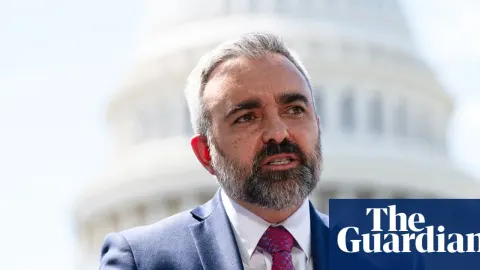
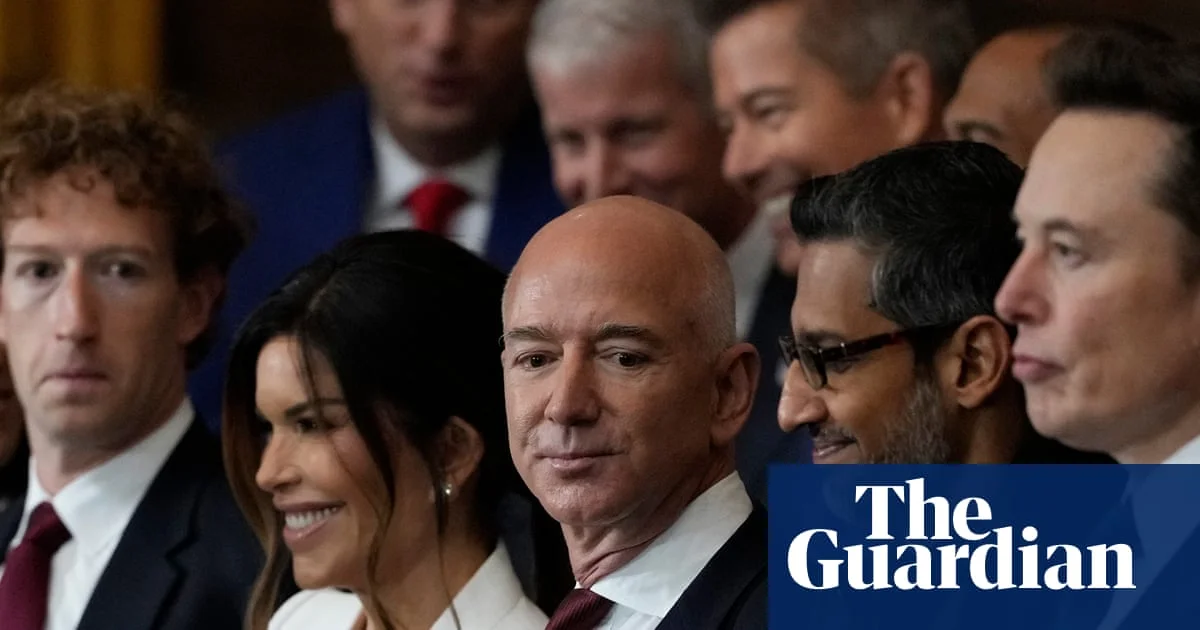
As we approach the mid-point of 2026, the global economic narrative is increasingly dominated by the concentration of power within a handful of tech conglomerates. Stanford economist Mordecai Kurz, in his latest analysis, argues that we are living through a modern iteration of the Gilded Age, where tech oligarchs exert an unprecedented level of cultural and political influence. This isn't merely a matter of wealth; it is about the systematic erosion of democratic institutions. Kurz suggests that these billionaires view themselves as superior beings destined to reshape society, often at the expense of the competitive markets that capitalism is supposed to foster. For the global investor, this signifies a period of extreme fragility, where the decisions of a few CEOs can outweigh the fiscal policies of sovereign nations.
This trend toward monopoly power has profound implications for market stability. When innovation is stifled by power hoarding, the resulting economic inequality drives political polarization, which in turn leads to the kind of protectionist policies we are seeing in the G7 and the US. The upcoming publication of Kurz's work, 'Private Power and Democracy’s Decline,' serves as a timely warning that unless capitalism becomes more 'humane' and competitive, the very structures that allow these companies to thrive may eventually collapse under the weight of social unrest and regulatory backlash. This is particularly relevant for emerging markets that rely on open digital infrastructure to bypass traditional financial hurdles.
Inflation Gloom and the Hormuz Choke Point
Across the Atlantic, the United Kingdom is grappling with a resurgence of inflation fears that are directly linked to the volatile situation in the Middle East. Recent surveys indicate that British households are becoming increasingly gloomy about their financial prospects as fuel prices remain stubbornly high. The primary driver here is the continued uncertainty surrounding the Strait of Hormuz. With the world's most critical maritime oil artery facing frequent disruptions, the cost of energy is being baked into every consumer good, from groceries to transportation. This 'Hormuz Premium' is effectively a tax on global consumption, and its effects are being felt most acutely in import-dependent economies like the UK.
What makes this situation particularly dangerous is the feedback loop it creates for central banks. Higher fuel prices lead to higher inflation expectations, which may force the Bank of England to maintain elevated interest rates for longer than previously anticipated. This scenario mirrors the broader global trend where geopolitical risk is no longer an 'outlier' but a permanent feature of economic planning. For Iranian readers, this global squeeze on energy and shipping is a double-edged sword: while it may keep oil prices high, the resulting global inflation reduces the purchasing power of the currencies they use for trade, further complicating the domestic economic recovery.

Iran Market Snapshot: Rial Gains Ground Amid Security Operations
In the local Iranian markets at 17:00 Tehran time, we are seeing a notable shift in sentiment. The US Dollar (USD) sell rate moved from 180,400 to 179,750 Toman, marking a decrease of 0.4%. This slight strengthening of the Rial comes amid reports from the IRGC Intelligence Organization regarding the arrest of 32 individuals linked to foreign interests who were allegedly attempting to disrupt the country's economic system. Such security measures often provide a temporary psychological floor for the currency, as they signal a crackdown on speculative activities that the government blames for volatility. However, the long-term stability of the Rial remains tied to broader geopolitical de-escalation.
In the precious metals sector, the behavior is more mixed. While the Emami coin dropped significantly from 194,500,000 to 190,500,000 Toman (-2.1%), 18k gold per gram saw a marginal increase from 19,839,558 to 19,903,042 Toman (+0.3%). This divergence suggests that while the 'bubble' in specific minted coins may be deflating, the underlying demand for gold as a hedge remains strong, especially with the global gold ounce price hovering at a record $4,575.40. Investors are likely rotating out of high-premium coins and into bullion or raw gold as a safer store of value amidst the ongoing regional uncertainty.
US Political Shifts and the Crypto Factor
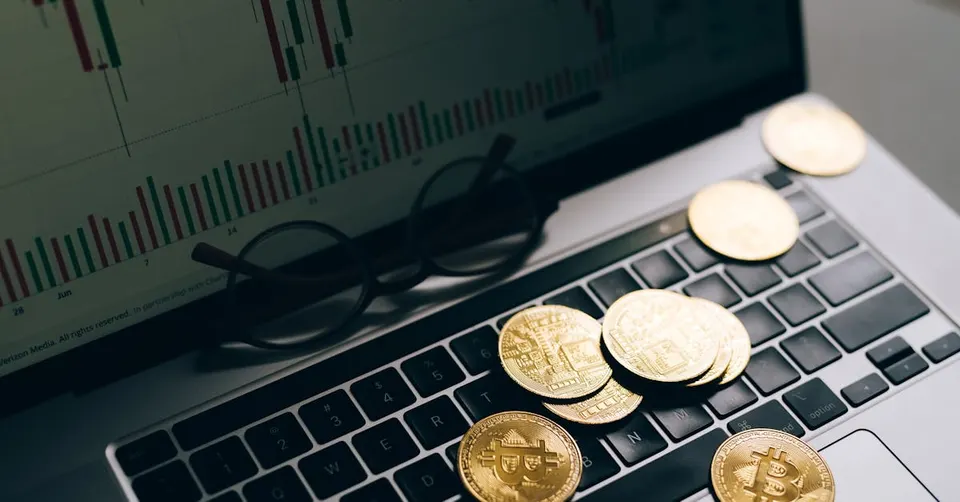
As the US moves closer to critical primary elections, the intersection of politics and finance is becoming more pronounced. Defense Secretary Pete Hegseth's involvement in the Kentucky primary highlights the internal struggle within the Republican Party between Trump-backed candidates and traditional critics like Thomas Massie. This political maneuvering has a direct impact on market sentiment, particularly in the crypto space. Bitcoin (BTC) is currently trading at $77,142, facing what analysts call an 'outsourced quantum threat' as computing breakthroughs accelerate. The political stability of the US is a key driver for crypto, as it dictates the regulatory environment for major assets like Ethereum, which currently sits at $2,136.11.
For the Iranian crypto community, these US developments are vital. The 'risk-off' sentiment linked to Iran-related geopolitical tensions has recently caused crypto ETP outflows to top $1 billion, ending a six-week positive streak. When US politics becomes more volatile, capital tends to flee 'risk assets' like Bitcoin and move into the dollar or gold. This explains why BTC has struggled to maintain its upward momentum despite institutional adoption. As long as the threat of regional conflict looms and US political rhetoric remains heated, the crypto market will likely experience heightened volatility, making it a challenging environment for those using digital assets as a primary hedge against Rial depreciation.
Frequently Asked Questions
Why is the price of Emami coin falling while gold prices rise?
How does the Strait of Hormuz affect inflation in the UK?
What is the 'Quantum Threat' mentioned regarding Bitcoin?
Understanding Secular Stagnation: Why It Matters for Markets Today
Secular stagnation is a macro‑economic hypothesis that long‑run economic growth can settle at a level far below its potential, leaving the natural real interest rate near zero or even negative. The term was revived by economists such as Mordecai Kurz and Larry Summers in the aftermath of the 2008 crisis to explain why advanced economies have struggled with weak investment, persistently low inflation, and unusually accommodative monetary policy. In this framework, an excess of savings over investment creates a chronic demand gap that cannot be closed by normal interest‑rate adjustments because rates are already at the effective lower bound.
The theory has concrete implications for asset markets. When the equilibrium real rate is low, nominal rates stay low even as central banks try to stimulate the economy, which can push investors toward higher‑yielding but riskier assets—think tech equities, cryptocurrencies, or emerging‑market bonds. This dynamic helps explain the surge in Bitcoin’s price to $77,000 and the heightened interest in “humane capitalism” tech firms that promise social impact alongside returns. At the same time, low rates compress the yield curve, making traditional safe‑haven assets like Treasury bonds less attractive, which can amplify the price volatility of alternative assets.
Secular stagnation also reshapes expectations about inflation. With weak demand, price pressures stay subdued, as seen in the UK’s projected low inflation rates for 2026. However, supply‑side shocks—such as a sudden disruption in oil flow through the Strait of Hormuz or sanctions on the IRGC that affect Iranian oil exports—can generate brief spikes in commodity prices, temporarily breaking the low‑inflation trend. Policymakers must therefore balance the risk of reigniting inflation with the need to support growth, often resorting to unconventional tools like quantitative easing or forward guidance.
For investors, recognizing the secular‑stagnation environment is crucial when assessing long‑term risk. Traditional valuation models that assume a stable, positive real rate may overstate the expected returns on capital‑intensive sectors and understate the appeal of assets that thrive in low‑rate, low‑growth settings. Understanding this backdrop helps make sense of the divergent price movements of assets like the Emami coin, which fell sharply amid heightened risk aversion, and the broader debate over whether “humane capitalism” can reconcile social goals with the need for higher productivity and investment.
In short, secular stagnation provides a unifying lens for a range of seemingly unrelated headlines—from crypto booms and tech‑driven ESG narratives to geopolitical oil shocks and muted inflation forecasts. Grasping its mechanics equips market participants to navigate a world where low rates, low growth, and occasional supply shocks coexist.
Topics
Related Articles