Trump Issues Weekend Ultimatum: ‘Big Hit’ Looming as Tehran-Washington Brinkmanship Peaks
ترامپ ضربالاجل تعیین کرد: تهدید به «ضربه بزرگ» در صورت شکست مذاکرات تا پایان هفته
President Trump has signaled a return to military action if a deal with Iran is not reached by the weekend, even as markets show a fragile calm. Meanwhile, Tehran strengthens its diplomatic corridor with Beijing to hedge against renewed US pressure.
At time of publishing
USD
178,900
Toman
Gold 18K
19.48M
Toman / gram
Bitcoin
$76,745
US Dollar
Tether
17,887.8
Toman
The Weekend Deadline: Trump’s Tactical Brinkmanship
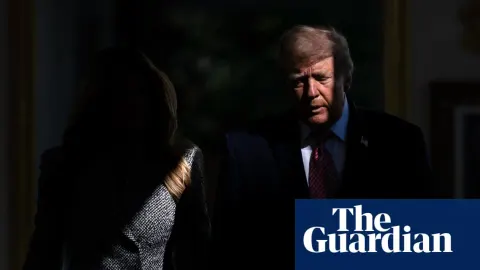
In a dramatic escalation of rhetoric from the White House, President Donald Trump has informed reporters that he is giving Tehran until the upcoming weekend or early next week to finalize a deal to end the current conflict. Trump revealed that he was “an hour away” from authorizing a fresh wave of strikes on Tuesday but pulled back after negotiators suggested that progress was being made. This move mirrors his previous patterns of maximum pressure, using the threat of imminent kinetic force to extract concessions in a high-stakes diplomatic gamble that has the world on edge.
The president’s comments suggest that while a ceasefire remains technically in place, its foundation is incredibly thin. Trump’s insistence that he “never tells anybody when” he will strike, while simultaneously providing a 2-3 day window (Friday through Sunday), serves to keep Iranian leadership in a state of constant defensive readiness. This psychological warfare is intended to force a breakthrough in negotiations that have reportedly stalled over the specifics of regional influence and nuclear safeguards. For the average observer, this means the next 72 to 96 hours represent a critical pivot point between a broader regional peace and a return to active hostilities.
Market Reaction: Fragile Calm Amidst the Storm
Despite the aggressive rhetoric coming from Washington, the Iranian currency market has shown a surprising degree of resilience, albeit with a slight downward trend. The USD/IRR rate moved from 179,650 to 178,900, representing a modest -0.4% decline over the last 24 hours. This suggests that while the threat of a “big hit” is serious, the market had perhaps already priced in a significant amount of geopolitical risk. Gold, however, saw a sharper correction, with 18k gold per gram dropping from 19,765,224 to 19,476,660 Toman (-1.5%), reflecting a global cooling of the precious metals rally as traders wait for the next major catalyst.
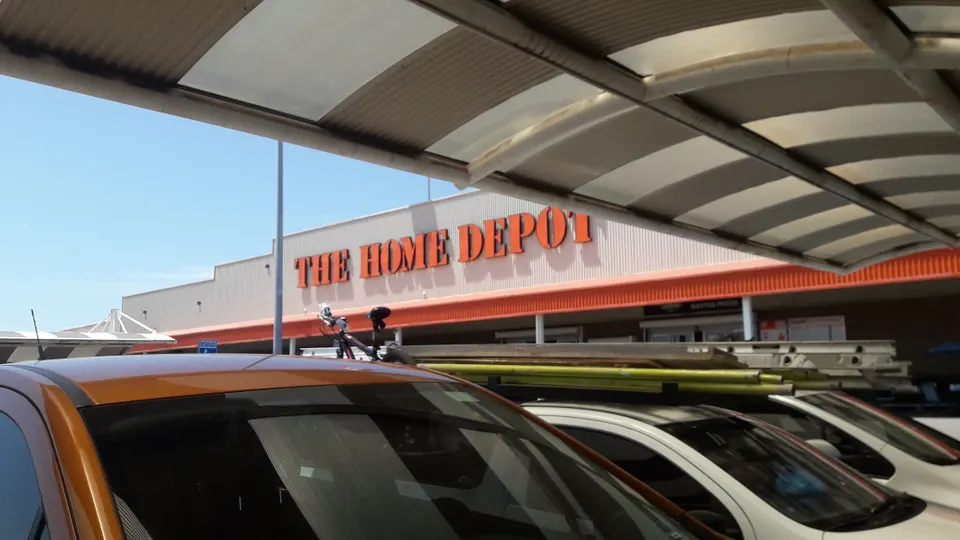
On the global stage, corporate giants like Home Depot are signaling that while consumers remain “healthy,” the specter of high energy prices driven by the Iran conflict is starting to pinch. Home Depot’s latest earnings report indicates that while they have kept their full-year outlook intact, there is a noticeable pullback in discretionary spending as gasoline prices remain elevated due to the instability in the Persian Gulf. This highlights a critical feedback loop: the longer the tension between Trump and Tehran persists, the higher the “geopolitical premium” on oil, which eventually eats into the purchasing power of consumers from Atlanta to Tehran.
The Beijing Buffer: Iran’s Strategic Pivot
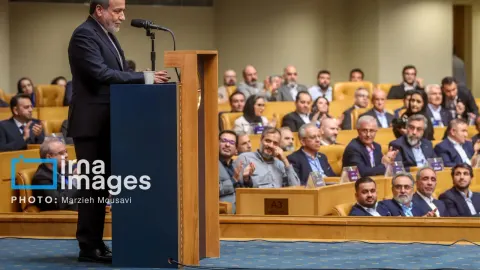
As the threat of US strikes looms, Tehran is not standing idle on the diplomatic front. Iran’s Deputy Foreign Minister for Legal and International Affairs, Kazem Gharibabadi, met with the Chinese Ambassador to Tehran, Cong Peiwu, to review mutual ties and regional developments. This meeting is more than just a routine diplomatic exchange; it is a clear signal to Washington that Iran has a powerful patron in the East. China’s role as a primary buyer of Iranian energy and a strategic partner provides Tehran with the economic and political oxygen needed to withstand Trump’s “maximum pressure” tactics.
The discussions likely centered on securing trade routes and ensuring that any renewed US sanctions do not completely decapitate the Iranian economy. For the Iranian public, the strength of the Tehran-Beijing axis is the primary hedge against total isolation. If China continues to facilitate trade despite US threats, the “big hit” Trump mentions may have less of an economic impact than he hopes. However, if Beijing begins to distance itself to avoid secondary sanctions, the pressure on the Toman and the broader economy could become unbearable, making the outcome of these diplomatic talks as important as the military movements in the Gulf.
Domestic Distractions and Soft Power
While the world focuses on the possibility of war, domestic politics in the US continue to provide the backdrop for Trump’s foreign policy. The president is currently balancing his “commander-in-chief” persona with the realities of an election cycle, endorsing allies like Ken Paxton in Texas while attacking critics like Kentucky’s Thomas Massie. This domestic maneuvering suggests that his stance on Iran is partially designed to project strength to his base at home. A decisive “win” or a show of force against Iran is seen by his strategists as a way to solidify his grip on the GOP and maintain his momentum in the primaries.

Interestingly, amidst the talk of missiles and markets, stories of human endurance like Billie Jean King graduating from college at age 82 serve as a reminder of the long-term persistence required in any field. King, who left college 61 years ago to pursue tennis, finally completed her degree, illustrating that even the longest-standing objectives can be achieved with time. For those following the Iran-US saga, which has spanned decades, this serves as a metaphorical lesson: the current impasse is just one chapter in a much longer historical struggle for regional and global standing. Whether the weekend brings a deal or a “hit,” the underlying tensions are likely to persist for years to come.
Frequently Asked Questions
What is the specific deadline Trump gave to Iran?
How did the Iranian Rial respond to the 'Big Hit' threat?
Why is the meeting between Iran and the Chinese Ambassador significant now?
How is the Iran conflict affecting global retail companies like Home Depot?
Understanding Brinkmanship: The High-Stakes Game of International Relations
Brinkmanship is a strategic foreign policy practice where one or both parties push dangerous events to the "brink" of conflict, hoping to achieve an advantageous outcome through threats of war rather than through actual engagement. The term, popularized during the Cold War, describes a scenario where states escalate tensions, issue ultimatums, and demonstrate a willingness to go to the very edge of military confrontation, all in an effort to compel an opponent to back down or make concessions. It's a high-risk strategy, as it relies on the opponent's fear of the potential consequences of full-scale conflict.
The core idea behind brinkmanship is to signal unwavering resolve. By appearing ready to accept even the most catastrophic outcomes, a state attempts to convince its adversary that its demands are non-negotiable. This often involves public threats, military posturing, and setting deadlines, creating a tense atmosphere where miscalculation by either side could lead to unintended escalation. The goal is to make the cost of not conceding seem higher than the cost of giving in, without ever actually crossing the line into open warfare.
However, the inherent danger of brinkmanship lies in its fragility. The line between a credible threat and an actual commitment to war can become blurred. Misinterpretations of intentions, accidental triggers, or a loss of control over escalating events can easily transform a calculated gamble into an irreversible conflict. For instance, in the context of US-Iran tensions, such brinkmanship can lead to significant economic uncertainty, impacting currency values like the USD/IRR, driving up safe-haven assets like gold, and creating instability that affects global markets and corporate earnings.
Historically, the Cuban Missile Crisis is often cited as a classic example of brinkmanship, where the US and Soviet Union brought the world to the precipice of nuclear war before a diplomatic resolution was found. In contemporary international relations, similar dynamics can be observed in various geopolitical hotspots, including the Middle East. Understanding brinkmanship is crucial for discerning the true nature of diplomatic impasses and the potential pathways, both peaceful and perilous, that states might pursue in their pursuit of strategic objectives.
Topics
Related Articles