Australia Unemployment Surges, Iran's IRGC Dominance, and India's Fintech Boom
افزایش بیکاری در استرالیا، تسلط سپاه در ایران و رونق فینتک هند
Australia's jobless rate unexpectedly climbed to 4.5% in April, impacting interest rate hike expectations. Meanwhile, the powerful influence of Iran's IRGC on decision-making remains a key regional focus, and a significant $63 million investment signals rapid growth in India's travel fintech sector.
At time of publishing
USD
180,400
Toman
Gold 18K
19.70M
Toman / gram
Bitcoin
$77,722
US Dollar
Tether
17,601.1
Toman
Australia's Jobless Rate Jumps, Cooling Rate Hike Hopes
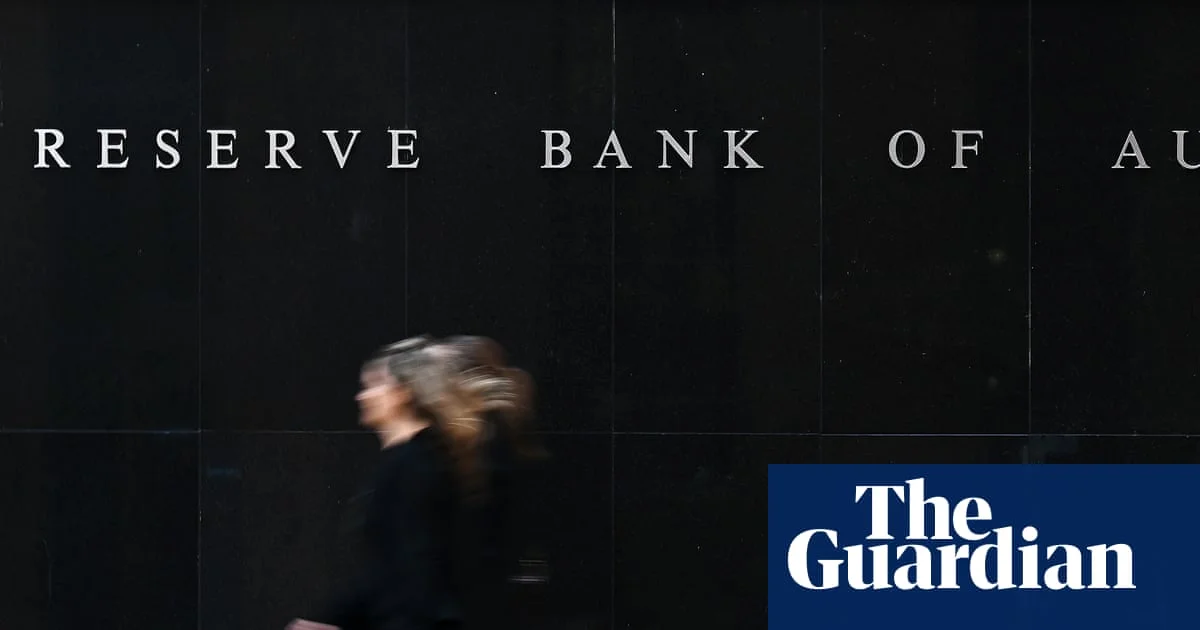
Australia's unemployment rate surged unexpectedly to 4.5% in April, marking its highest level in over four years. This surprising uptick, detailed by The Guardian, signals growing economic headwinds, with fears that rising interest rates and ongoing global oil market disruptions are beginning to bite into economic growth. The data has prompted financial markets to significantly scale back expectations for further interest rate hikes from the Reserve Bank of Australia, with the chance of a hike in June now seen as considerably lower.
This development has immediate implications for the Australian economy and potentially broader global sentiment. A higher unemployment rate suggests a cooling labor market, which could lead to reduced consumer spending and business investment. For currency traders, this typically means less upward pressure on the AUD. Investors in markets closely linked to Australian economic health will be watching for further indicators. The Reserve Bank will now face a delicate balancing act: addressing inflation without pushing the economy into a more pronounced slowdown. The unexpected rise in joblessness will be a key talking point for policymakers and economists in the coming weeks.
---
Iran's Decision-Making Circle: The IRGC's Enduring Influence
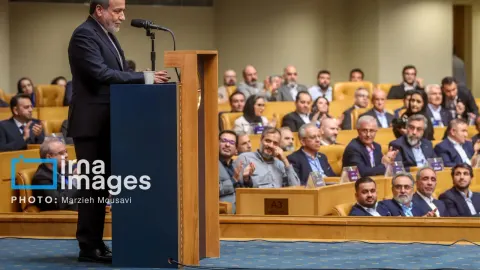
An in-depth report from The New York Times highlights the pervasive influence of the Islamic Revolutionary Guards Corps (IRGC) on Iran's strategic and economic decision-making. The analysis suggests that a tight-knit group of men, primarily associated with the IRGC, are the true architects of policy within the Islamic Republic. This entrenched power structure shapes everything from foreign policy and regional engagements to domestic economic strategies and resource allocation.
The IRGC's deep involvement in Iran's economy, coupled with its significant military and security apparatus, positions it as a de facto state within a state. This concentration of power raises questions about transparency, accountability, and the potential for economic inefficiencies or corruption. For regional actors and international observers, understanding this dynamic is crucial for navigating the complexities of Iranian foreign policy and its impact on global energy markets and geopolitical stability. The report underscores the challenges of any potential reform or shift in Iranian policy as long as the IRGC maintains its dominant position.
---
India's Fintech Sector Sees Major Investment Boost
General Catalyst has spearheaded a significant $63 million investment round in Scapia, an Indian startup operating at the intersection of travel booking, co-branded credit cards, and mobile payments. As reported by TechCrunch, this substantial funding injection not only underscores the burgeoning potential of India's digital economy but also highlights the rapid growth and increasing valuation of fintech ventures in the region.
Scapia's innovative model, which aims to seamlessly integrate travel planning with financial services, taps into a massive and growing consumer market. The investment signals strong investor confidence in the startup's ability to capture market share and scale its operations. For the broader Indian fintech landscape, this development is a positive indicator, potentially attracting further capital and fostering innovation. It also suggests a shift in consumer behavior towards integrated digital financial solutions, especially within the vibrant travel sector.

---
Trump's Cuba Remarks and Geopolitical Ripples
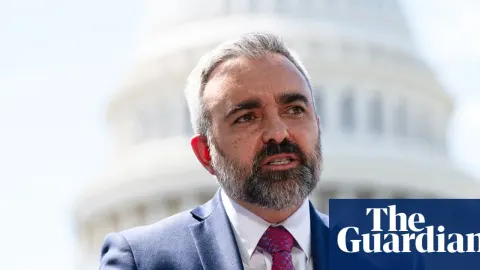
Former US President Donald Trump has stated that "there won't be escalation" with Cuba following the US indictment of former Cuban president Raúl Castro. The Guardian reported on this development, which comes as the US seeks to exert further pressure on the Cuban regime. This statement, made in response to questions about potential Israeli actions against Iran, adds another layer to the complex US-Cuba relationship and Trump's distinct approach to foreign policy.
The indictment of a former head of state by the US is a significant diplomatic move, and Trump's assertion of no escalation suggests a desire to manage the immediate fallout while maintaining pressure. For Cuba, such actions by the US are often framed as hypocritical, particularly given historical US foreign policy actions. This situation, while seemingly regional to the Americas, can have broader implications for how nations perceive US intentions and diplomatic strategies, potentially influencing broader geopolitical calculations and risk appetites in other volatile regions.
---
Markets Watch: USD Rises, Gold Steady, Emami Coin Dips
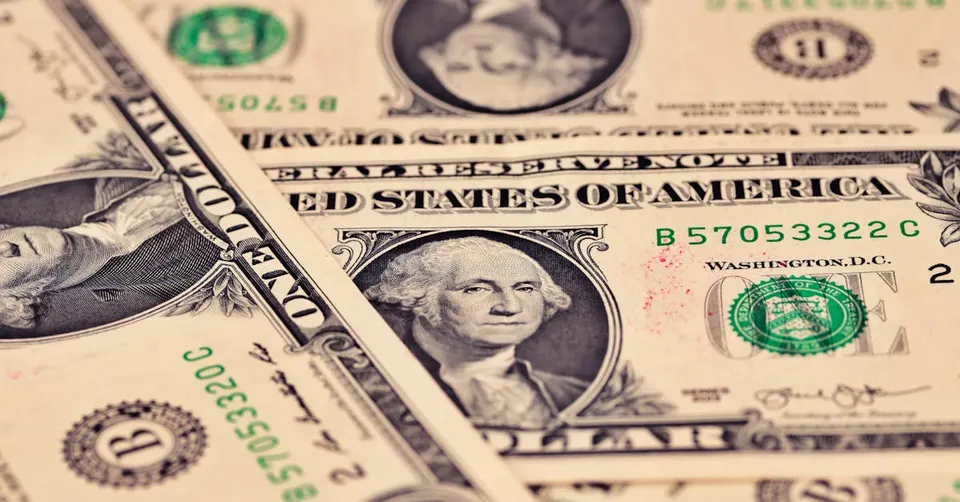
In the local Iranian market, the US Dollar saw a slight increase, moving from 179,600 to 180,400 Toman (+0.4%) over the past 24 hours. This upward movement in the USD/IRR exchange rate suggests continued demand or external pressures influencing the currency's value against the national Toman. Meanwhile, gold prices showed remarkable stability. 18-carat gold per gram remained unchanged at 19,702,664 Toman (+0.0%), indicating that the volatile global gold price in USD, which stood at $4,532.50, had little immediate impact on the local market's pricing, likely due to the offsetting movement in the USD/IRR rate.
However, the traditional Emami gold coin experienced a minor decline, falling from 193,500,000 to 193,000,000 Toman (-0.3%). This slight dip in the coin's value, despite the stable gold gram price, could be attributed to specific market dynamics affecting numismatic or larger gold items, or a marginal shift in investor sentiment away from these assets. The USDT stablecoin, priced at 17,601 Toman, remains a key benchmark for digital asset valuations within the Iranian market, reflecting the broader crypto market's performance in USD terms.
Frequently Asked Questions
What is the current unemployment rate in Australia and its impact?
How influential is the IRGC in Iran's decision-making?
What does the $63 million investment in Scapia signify for India's fintech sector?
What is the current trend for USD/IRR and gold prices in the Iranian market?
What was the context of Donald Trump's remarks on Cuba?
How International Sanctions Shape Iran’s Currency and Gold Markets
When a country faces broad economic sanctions, the most visible impact is often on its currency. Iran’s rial (IRR) has been under severe pressure for years because many Western banks refuse to process transactions involving Iranian entities, especially those linked to the Islamic Revolutionary Guard Corps (IRGC). With fewer channels to obtain foreign dollars, the supply of USD in the domestic market shrinks, while demand for dollars to pay for imports remains high. This imbalance forces the rial to depreciate sharply against the US dollar, a process that can be observed in the daily USD/IRR exchange rate.
A depreciating rial makes imported goods more expensive, feeding inflation. To protect their wealth, Iranian savers and businesses often turn to gold, which historically retains value when fiat currencies falter. Gold prices in Tehran can therefore diverge from global spot prices, reflecting both the local currency’s weakness and the premium demanded by traders who must source the metal through informal channels. This gold‑as‑a‑hedge behavior is a classic response to sanctions‑induced currency crises.
Interest rates also play a crucial role. The Central Bank of Iran may raise policy rates to attract foreign capital and curb inflation, but under sanctions the effectiveness of such moves is limited because investors cannot easily move money in and out of the country. Consequently, the usual transmission of higher rates to a stronger currency is muted, and the rial continues to slide despite nominal rate hikes. Understanding this dynamic helps explain why Iran’s macro‑economic indicators—exchange rates, gold premiums, and inflation—often move together in a way that differs from economies not under sanctions.
For observers outside Iran, the interplay of sanctions, currency depreciation, gold pricing, and interest‑rate policy illustrates a broader lesson: when external constraints block normal financial flows, domestic markets develop alternative mechanisms to preserve value. These mechanisms can be volatile and opaque, making economic forecasting especially challenging in sanctioned economies.
Topics
Related Articles