UK Seals £3.7bn Gulf Trade Deal as Oil Prices Slump on Trump’s Iran Overtures
توافق تجاری ۳.۷ میلیارد پوندی بریتانیا با اعراب؛ سقوط قیمت نفت در پی سیگنالهای ترامپ به ایران
Britain has finalized a landmark £3.7 billion trade agreement with six Gulf nations, marking a major post-Brexit pivot toward Middle Eastern markets. Simultaneously, global oil prices recorded their sharpest decline in two weeks after President Trump suggested a diplomatic breakthrough with Tehran may be imminent.
At time of publishing
USD
179,600
Toman
Gold 18K
19.70M
Toman / gram
Bitcoin
$77,486
US Dollar
Tether
17,704.9
Toman
The UK-Gulf Pivot: A £3.7 Billion Landmark
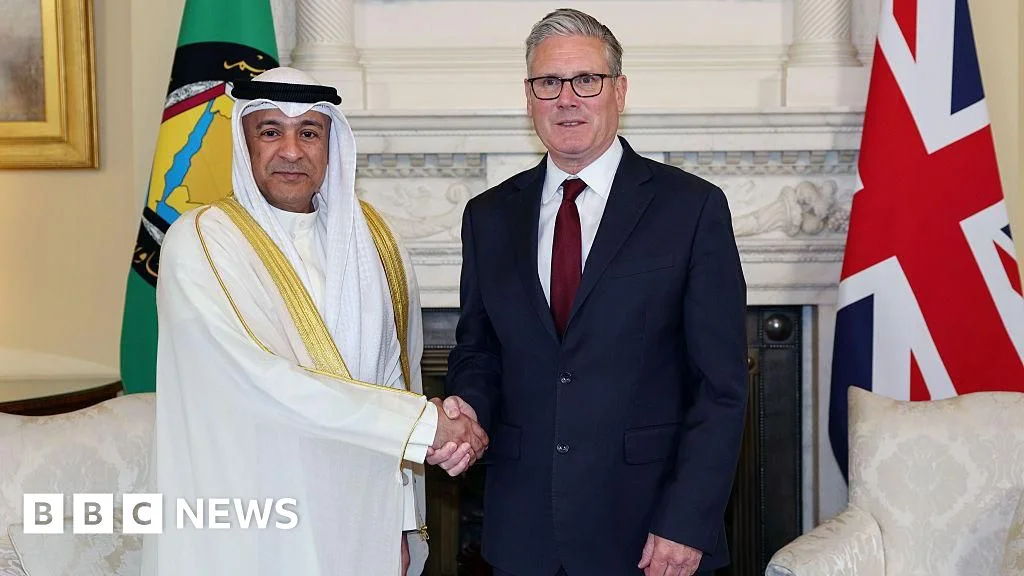
In a move that significantly reshapes the post-Brexit economic landscape, the United Kingdom has signed a comprehensive trade deal with the six member states of the Gulf Cooperation Council (GCC). The agreement, valued at approximately £3.7 billion, is designed to eliminate over £580 million in annual tariffs currently imposed on British exports. This strategic alignment focuses heavily on financial services, high-end manufacturing, and green technology, allowing British firms unprecedented access to some of the world's most liquid sovereign wealth funds. For the Gulf states, the deal represents a deepening of security and economic ties with a permanent UN Security Council member at a time of extreme regional volatility.
However, the deal has not been met with universal acclaim. Human rights organizations have criticized the British government for prioritizing trade over ethical considerations, particularly regarding the labor laws and political freedoms within several GCC nations. Despite these objections, the UK Department for Business and Trade emphasizes that the agreement is a cornerstone of the 'Global Britain' strategy, aimed at securing energy supplies and diversifying trade routes away from the European Union. For the global economy, this pact signals a strengthening of the London-Riyadh-Abu Dhabi axis, potentially influencing future energy pricing and investment flows into the UK’s struggling infrastructure sectors.
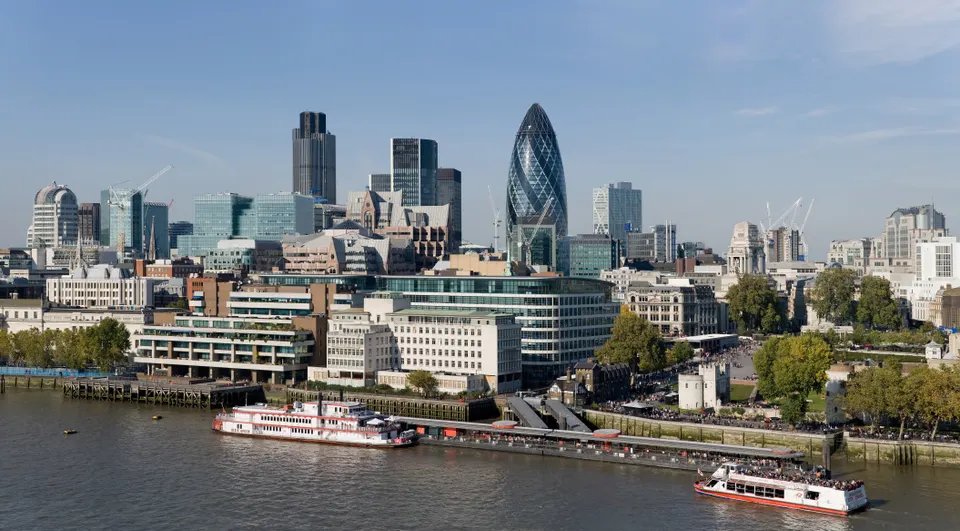
Oil Markets Retreat as Trump Hints at Iran Peace
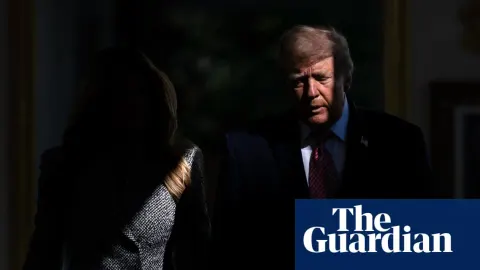
Global energy markets experienced a sudden cooling effect this Wednesday as oil futures posted their largest single-day drop in two weeks. This shift was triggered by comments from President Donald Trump, who suggested that a resolution to the long-standing conflict with Iran might be closer than previously anticipated. The market's reaction was swift; as the risk premium associated with a potential blockade of the Strait of Hormuz evaporated, airline stocks surged on the prospect of lower fuel costs. Investors who had been hedging against a total regional war began liquidating long positions in crude, betting instead on a diplomatic de-escalation that could see Iranian oil return to the global market without the current 'shadow fleet' constraints.
Despite the optimism in the trading pits, many analysts remain skeptical of the 'peace in our time' narrative. While Trump’s rhetoric often swings toward deal-making, the operational reality on the ground remains tense. The disconnect between the President’s optimistic statements and the continued military posturing in the Persian Gulf has created a bifurcated market where short-term traders are selling the news, while long-term institutional investors remain cautious. If a deal were actually to materialize, it would represent the most significant shift in Middle Eastern geopolitics in decades, likely stabilizing the Iranian Toman and providing a massive deflationary shock to the global economy.
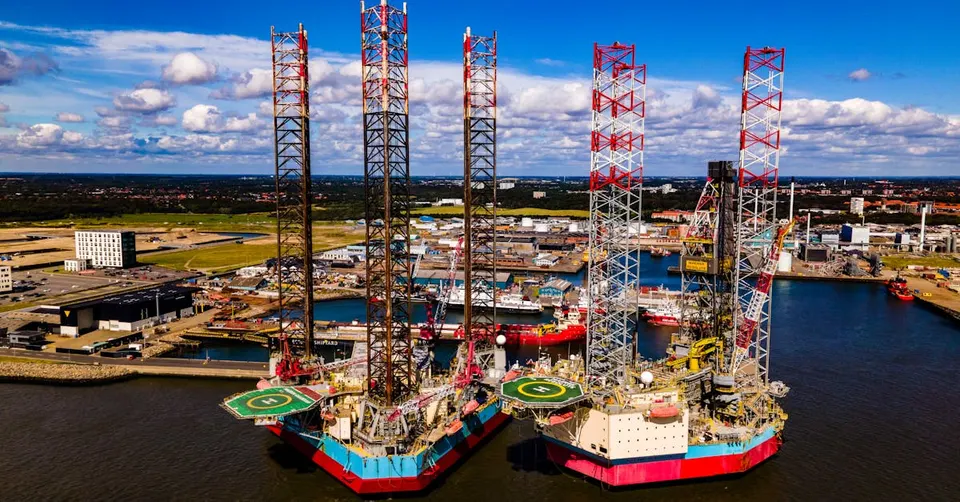
Escalation Amidst Diplomacy: Tankers and Flotillas
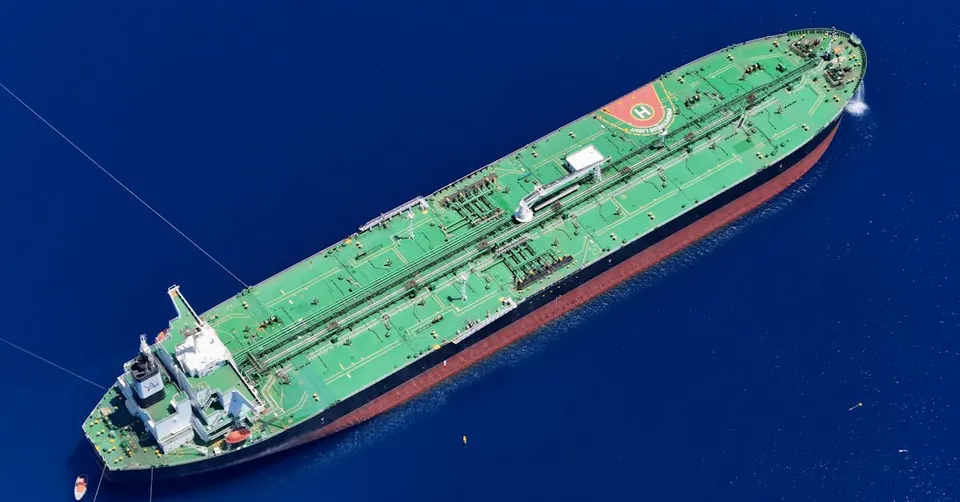
While the headlines speak of trade and peace, the tactical situation remains fraught with danger. Reports confirmed today that US forces boarded an Iranian oil tanker in the Middle East, a move that starkly contrasts with President Trump’s claims of a nearing deal. This 'maximum pressure' enforcement continues to target Tehran’s primary revenue source, even as diplomatic backchannels are reportedly active. Simultaneously, international outrage is mounting over a video showing Israeli National Security Minister Itamar Ben-Gvir taunting pro-Palestinian activists on a detained flotilla. These events highlight the fragile nature of the current regional stability, where a single miscalculation could ignite a broader conflict regardless of the rhetoric coming from Washington.
In Tehran, the domestic market is reacting to these mixed signals with a flight to safety. The US Dollar (USD) rose from 178,900 to 179,600 Toman (+0.4%), while gold products saw even more aggressive gains. The price of 18k gold per gram jumped from 19,476,660 to 19,702,664 Toman (+1.2%), and the Emami coin rose by 1.3% to reach 193,500,000 Toman. This divergence—where gold is outperforming the dollar—suggests that Iranian savers are increasingly worried about regional escalations and are choosing the hardest available asset to protect their purchasing power. The boarding of the tanker and the flotilla incidents serve as a reminder that until a formal treaty is signed, the risk of maritime disruption remains the primary driver of local inflation.
Domestic US Friction: The 'Anti-Weaponization' Legal Battle
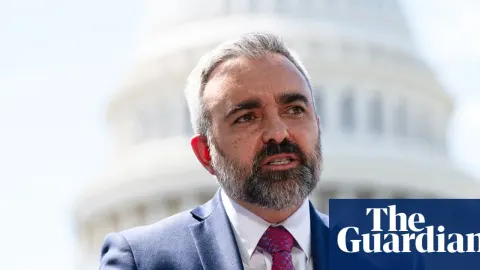
Back in Washington, the internal political divide continues to widen as two police officers who defended the Capitol on January 6 have filed a lawsuit to block rioters from receiving payouts. The legal challenge targets President Trump’s newly established 'Anti-Weaponization Fund,' a $1.8 billion pool intended to compensate allies who claim they were victims of political prosecution. This fund was created as part of a complex deal involving the withdrawal of a massive lawsuit against the IRS. The plaintiffs argue that using taxpayer-adjacent funds to reward those who attacked the seat of American democracy is not only unethical but legally untenable under current federal statutes.
This domestic legal battle has indirect but significant implications for global markets. It underscores the continued volatility within the US executive branch and the potential for legal gridlock to hamper Trump’s broader policy agenda, including his foreign policy toward Iran and China. For international observers, the 'Anti-Weaponization Fund' represents a radical shift in how the US presidency interacts with the judicial system. If the fund is successfully blocked or becomes a major campaign liability, it could force the administration to pivot its focus back to domestic issues, potentially slowing the momentum of the very trade deals and diplomatic overtures that currently have the markets on edge.
Frequently Asked Questions
Why did oil prices drop if tensions are still high in the Persian Gulf?
What does the UK-GCC trade deal mean for the Iranian economy?
Why is gold in Iran rising faster than the US Dollar right now?
Topics
Related Articles