War Uncertainty Hits Global Travel as Tehran Rejects Surrender; UK Inks £3.7bn Gulf Trade Deal
سایه جنگ بر صنعت گردشگری جهان؛ هشدار پزشکیان به آمریکا و پیمان تجاری ۳.۷ میلیارد پوندی بریتانیا با اعراب
EasyJet reports a slump in bookings and a surge in fuel costs due to regional tensions, while President Pezeshkian dismisses US pressure as an 'illusion.' Meanwhile, the UK secures a major trade deal with Gulf states, signaling a shift in regional economic alliances.
At time of publishing
USD
180,000
Toman
Gold 18K
19.75M
Toman / gram
Bitcoin
$77,945
US Dollar
Tether
17,742.9
Toman
The High Cost of Uncertainty: Travel and Energy Under Pressure
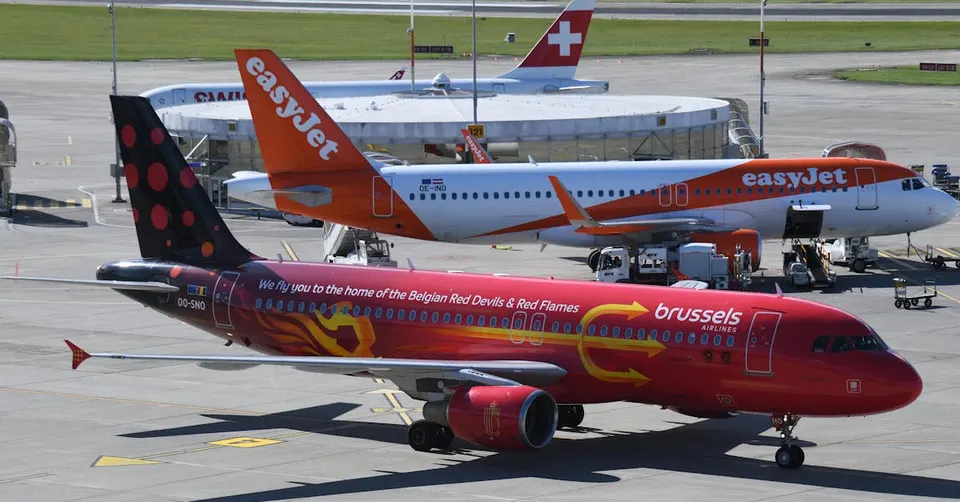
The ripple effects of the ongoing conflict involving Iran are being felt far beyond the front lines, as budget airline EasyJet reports a significant slump in summer holiday bookings. The carrier revealed that consumer confidence has been shaken by the regional instability, leading many travelers to delay their plans. More critically for the company's bottom line, the airline absorbed a staggering £25 million hit on jet fuel costs in March alone, a direct consequence of the volatility in energy markets triggered by the escalation between Iran, Israel, and the United States. This "conflict tax" on energy is a stark reminder that modern warfare impacts global supply chains and consumer behavior instantaneously.
For the Iranian reader, this trend is a double-edged sword. While it highlights the global pressure points that Tehran can influence, it also underscores the economic isolation that results from prolonged regional tension. The USD in the Tehran market has edged up slightly from 179,600 to 180,000 (+0.2%), reflecting a cautious sentiment among local traders who see no immediate de-escalation on the horizon. When major global airlines begin reporting financial distress due to regional wars, it often precedes a broader cooling of international trade and a tightening of the sanctions environment, which keeps the Toman under persistent pressure.
Tehran’s Defiance and the Diplomatic Deadlock
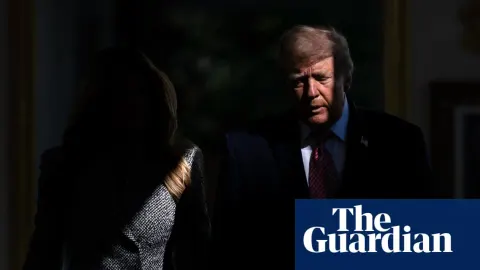
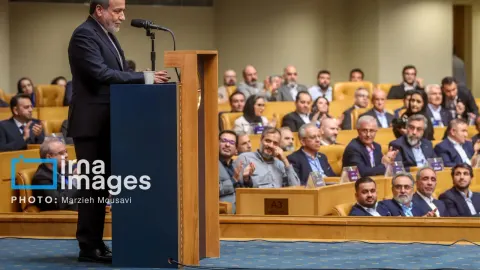
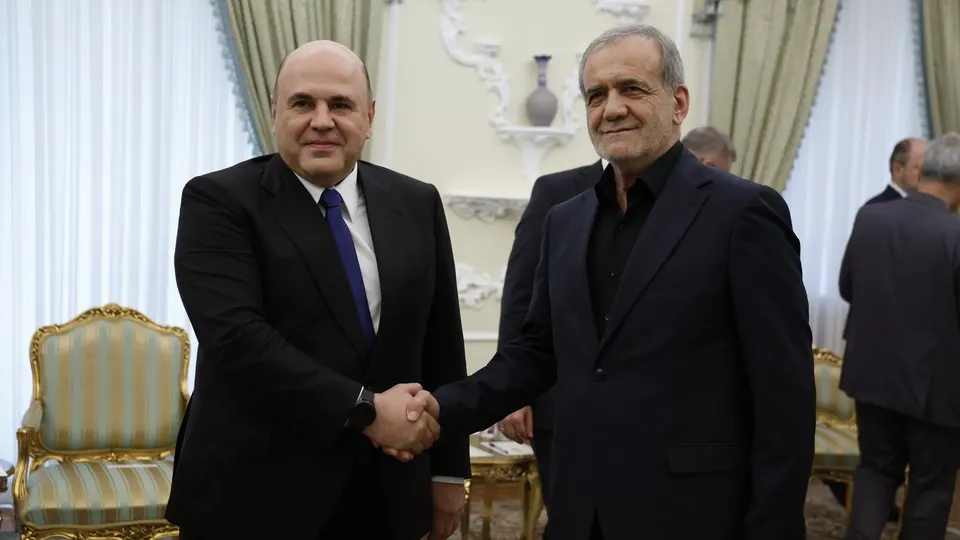
President Masoud Pezeshkian has sent a clear message to Washington, dismissing the idea of Iran surrendering to US pressure as "nothing but an illusion." This rhetoric comes at a sensitive time as Foreign Minister Abbas Araghchi meets with Pakistani officials to discuss the progress—or lack thereof—of indirect negotiations with the United States. The Iranian leadership is doubling down on its stance, signaling that despite the economic toll and the presence of US and Israeli military forces, the Islamic Republic will not negotiate from a position of perceived weakness. This stance is designed to bolster domestic support and signal to regional proxies that Tehran's strategic depth remains intact.
However, the market's reaction to such statements is increasingly muted. While Gold 18k/gram rose slightly to 19,750,911 (+0.2%), the Emami coin actually fell by 0.5% to 192,500,000. This divergence suggests that while the "fear factor" keeps the base price of gold high, the specific demand for investment coins is softening, perhaps as liquidity is diverted elsewhere or as investors become desensitized to the recurring cycle of threats and counter-threats. The diplomatic stalemate ensures that the "war premium" remains baked into every transaction in the Iranian market, making any significant recovery for the Toman unlikely in the short term.
A New Economic Map: The UK-Gulf Trade Pivot
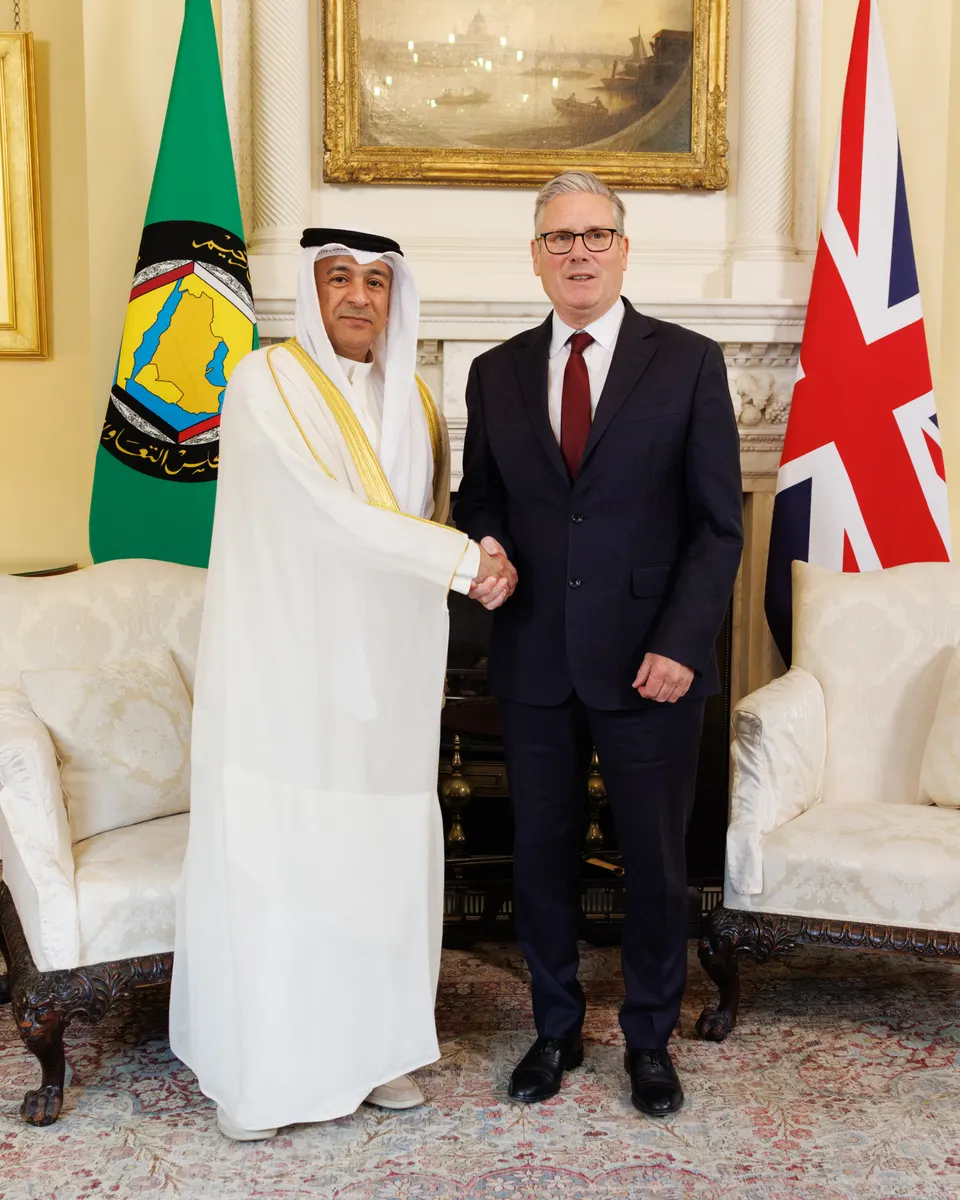
While Iran remains locked in a cycle of sanctions and geopolitical friction, its neighbors in the Gulf are aggressively expanding their economic horizons. The United Kingdom has just finalized a landmark £3.7 billion trade deal with six Gulf states, a move that will remove nearly £580 million in tariffs from British exports. This deal is not just about cheaper goods; it is a strategic realignment. By deepening ties with the GCC, the UK is securing its energy future and investment pipelines, effectively creating a powerful economic bloc that bypasses the traditional instability associated with the northern Middle East.
This development should serve as a wake-up call regarding the shifting regional balance of power. As the Gulf states integrate more deeply with Western economies, the economic gap between Iran and its neighbors continues to widen. While Tehran speaks of "illusions" of surrender, the GCC is building a reality of trade dominance. This pivot is further evidenced by the global energy reshuffle; even Saudi Arabia is being forced to adjust its internal energy consumption, importing more fuel oil as gas output dips, yet it remains a primary partner for Western trade. For Iran, the risk is not just military defeat, but becoming an economic footnote in a region that is moving on without it.
Energy Crunch and the Global Green Shift
In a historic milestone, wind and solar power generation have overtaken gas-fired plants for the first time on a monthly basis globally. This shift is being accelerated by the very energy crisis that has gripped the Middle East. As gas becomes more expensive and less reliable due to the closure of the Strait of Hormuz and regional instability, countries are fast-tracking their transition to renewables. In Australia, the government is even considering extending fuel excise cuts to shield citizens from the soaring prices caused by the Middle East conflict. This global trend suggests that the "oil weapon" is losing its edge as the world learns to function with less reliance on the volatile energy corridors of the Persian Gulf.
For the Iranian economy, which remains heavily dependent on hydrocarbon exports, this transition is an existential threat. If the world successfully pivots to renewables and alternative trade routes, the strategic importance of the Strait of Hormuz will diminish over the coming decades. The current market snapshot shows Gold at a staggering $4,533.90 per ounce, a clear indicator of global instability, but the long-term trend is toward a post-oil economy. If Tehran cannot find a way to stabilize its relations and diversify its economy, it may find itself holding onto a strategic asset—oil—that the world is increasingly determined to live without.
Frequently Asked Questions
Why is EasyJet reporting losses due to the situation in Iran?
What is the significance of the UK-Gulf trade deal for Iran?
How has the price of the US Dollar changed in Tehran today?
What was President Pezeshkian's response to US threats?
The Economic Ripple Effect of Geopolitical Risk
Geopolitical risk refers to the potential for political events—such as wars, conflicts, political instability, or international tensions—to significantly impact global economic stability and market conditions. These risks create widespread uncertainty, influencing everything from investor confidence and consumer behavior to commodity prices and international trade flows. Unlike traditional economic risks, geopolitical risks are often unpredictable and can escalate rapidly, making them particularly challenging for businesses, governments, and individuals to navigate.
One of the most immediate and visible impacts of heightened geopolitical risk is often seen in energy markets. For instance, tensions in critical maritime chokepoints like the Strait of Hormuz, a vital passage for a significant portion of the world's oil supply, can trigger panic and price spikes in crude oil. Simultaneously, financial markets react swiftly: demand for safe-haven assets such as gold and stable currencies like the US dollar typically surges, while stock markets may experience increased volatility as investors shy away from riskier ventures. This flight to safety reflects a collective hedging against potential economic disruptions.
Beyond immediate market reactions, geopolitical risks have profound implications for global trade, investment, and specific economic sectors. Supply chains can be disrupted, leading to shortages and inflationary pressures. International travel and tourism often suffer as safety concerns rise and travel advisories are issued, impacting airlines and hospitality industries. Furthermore, governments and corporations may reassess their investment strategies, favoring domestic or politically stable regions over those perceived as high-risk. This can also drive strategic trade deals, like the UK-Gulf agreement, as nations seek to secure resources and build alliances amidst a shifting global landscape.
Ultimately, understanding geopolitical risk is crucial for comprehending the interconnectedness of the global economy. Its ripple effects can lead to slower economic growth, persistent inflation, and increased policy challenges for central banks and governments worldwide. These risks underscore how political developments, even in seemingly distant regions, can have tangible and far-reaching economic consequences for everyone.
Topics
Related Articles