Diplomatic Breakthrough: Iranian Sailors Return Amid Regional Tensions; Nvidia’s Record Earnings Shake Tech Markets
بازگشت ملوانان ایرانی به کشور در پی گشایش دیپلماتیک؛ نوسان در بازارهای جهانی و تردید سرمایهگذاران انویدیا
Iranian sailors return home following a diplomatic push after a US seizure, while the USD/IRR exchange rate edges higher. Simultaneously, Nvidia's record-breaking results fail to satisfy investors, highlighting a shift in market sentiment as we approach the US holiday weekend.
At time of publishing
USD
180,250
Toman
Gold 18K
19.69M
Toman / gram
Bitcoin
$77,244
US Dollar
Tether
17,830.9
Toman
Diplomatic Breakthrough: Iranian Sailors Return Amid Regional Uncertainty
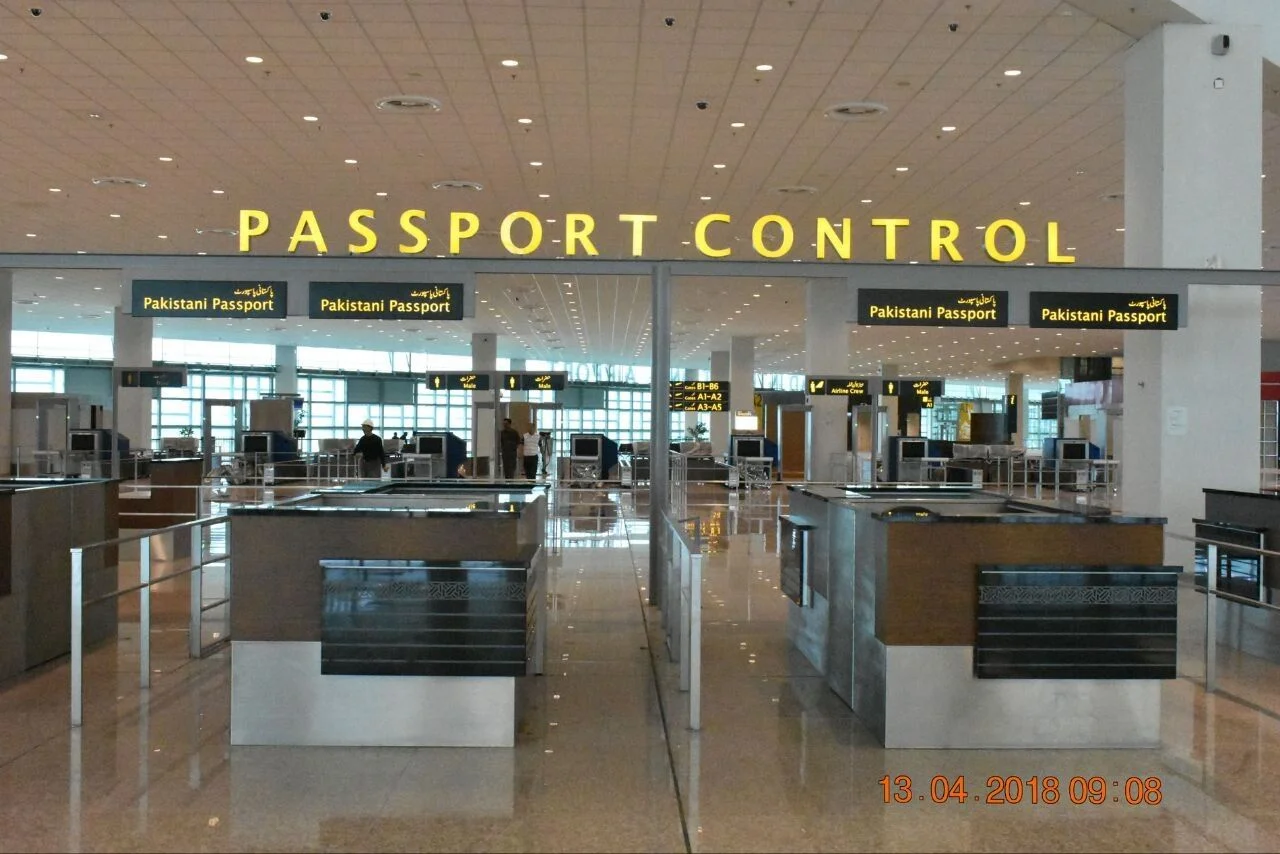
In a significant development for regional diplomacy, twenty Iranian sailors returned to Tehran this Thursday following a successful diplomatic push. The sailors had been detained after their vessel was seized by US forces off the coast of Singapore. According to reports from IRNA, the release marks a Rare moment of de-escalation in a maritime environment that has been fraught with tension. This return home is not just a humanitarian victory but a signal to the markets that channels of communication between Tehran and international intermediaries remain functional, even as broader geopolitical rhetoric remains sharp.

However, this diplomatic success has not completely calmed the local currency market. At 15:00 Tehran time, the USD/IRR exchange rate moved from 179,600 to 180,250, marking a 0.4% increase over the last 24 hours. The rise suggests that while individual diplomatic wins are welcomed, the broader 'war risk premium' continues to weigh heavily on the Toman. Traders remain cautious as major airlines like EasyJet report that while fuel supplies are stable, booking patterns are shifting due to the lingering uncertainty surrounding the Iran conflict. This climate of 'wait and see' is further evidenced by the Emami coin, which dropped from 193,500,000 to 192,000,000 Toman (-0.8%), reflecting a potential liquidation of assets as investors seek liquidity or safer havens.
The Nvidia Paradox: Why Record Profits Aren't Enough for Wall Street
Nvidia, the undisputed titan of the AI revolution, released another set of record-breaking financial results this week, yet the market response was surprisingly cold. Despite reporting stellar growth and exceeding expectations, Nvidia's shares fell in after-hours trading. This reaction highlights a growing concern among global investors: the 'perfection price.' Investors are now questioning whether the chip giant can sustain its meteoric pace of growth as competition from other tech players intensifies and the initial frenetic demand for AI hardware begins to normalize. This 'sell the news' behavior suggests that the market may have already priced in the best-case scenarios for the tech sector.

Adding to the market's complexity is the upcoming Memorial Day holiday in the United States. As the long weekend approaches, trading volumes typically thin out, and the bond market is scheduled for an early close this Friday. This seasonal liquidity drain often leads to increased volatility as smaller trades can have a disproportionate impact on prices. For Iranian observers, this means that global USD strength and gold prices (currently at $4,515.10 per ounce) might see erratic movements as Western traders square their positions before the holiday. The stability of 18k gold at 19,692,968 Toman per gram locally indicates that for now, the domestic gold market is decoupled from the immediate turbulence of the US tech sector.
Geopolitical Roadblocks: From London’s AI Ban to Trump’s Taiwan Rhetoric
In a move that has sent shockwaves through the tech and security sectors, London Mayor Sadiq Khan has blocked a £50 million deal between the Metropolitan Police and the US data analytics firm Palantir. City Hall cited a 'clear and serious breach' of procurement rules, effectively halting the use of Palantir’s AI technology for automating criminal intelligence analysis. This decision reflects a growing global pushback against the unchecked expansion of surveillance technology and emphasizes the importance of regulatory compliance in the age of AI. For companies looking to expand their footprint in the UK and Europe, this serves as a stern reminder that political and ethical considerations are becoming as crucial as technical capability.
Across the Atlantic, the geopolitical landscape is being further complicated by renewed rhetoric from Donald Trump. The former president and current candidate has again stated his willingness to speak directly with Taiwan’s leadership, a move that would defy decades of established US diplomatic protocol and almost certainly provoke a harsh response from Beijing. As Taiwan’s President Lai Ching-te expresses openness to such a dialogue, the risk of a new flashpoint in US-China relations grows. This potential for increased friction in the Pacific, combined with the ongoing energy storage boom in the US (which saw a 31% jump in installations this quarter), suggests that the global economy is entering a phase where political volatility and technological transition are inextricably linked.
Frequently Asked Questions
Why did Nvidia's stock fall despite record-breaking earnings?
How does the release of Iranian sailors affect the USD/IRR rate?
What is the significance of the US Memorial Day for global markets?
Understanding the Strategic Importance of the Strait of Hormuz
The Strait of Hormuz is one of the world's most critical maritime chokepoints, a narrow waterway connecting the Persian Gulf to the Arabian Sea and the broader Indian Ocean. Flanked by Iran to the north and Oman's Musandam peninsula to the south, this vital channel is barely 21 nautical miles (39 kilometers) wide at its narrowest point. Its geographical significance is paramount, as it serves as the sole sea passage for a substantial portion of the world's crude oil, liquefied natural gas (LNG), and other petroleum products from the Middle East's major producers to global markets.
Economically, the Strait's importance cannot be overstated. Roughly one-fifth of the world's total petroleum consumption, and about one-third of the world's seaborne oil trade, passes through this strait daily. Countries like Saudi Arabia, Iran, UAE, Kuwait, and Iraq rely heavily on this route for their oil exports, making it indispensable for global energy security. Any disruption, whether due to geopolitical tensions, naval incidents, or blockades, has immediate and far-reaching consequences, often leading to spikes in global oil prices and significant economic instability worldwide.
Geopolitically, the Strait of Hormuz is a flashpoint for regional and international tensions. Iran, with its extensive coastline along the northern side of the strait, holds significant leverage over maritime traffic. Incidents like the detention and release of sailors, naval exercises, or threats to close the strait are frequently used as diplomatic tools or responses to sanctions and geopolitical pressures. The presence of international naval forces, including the U.S. Fifth Fleet, underscores the global recognition of its strategic value and the continuous effort to maintain freedom of navigation through this crucial passage. Understanding the dynamics of the Strait of Hormuz is key to comprehending not only regional stability but also global energy markets and international diplomacy.
Topics
Related Articles