Egypt Weighs Entry into Yemen Conflict as Regional Tensions Push Toman to 266,100
احتمال ورود مصر به جنگ علیه حوثیها؛ جهش قیمت دلار به ۲۶۶ هزار تومان در سایه تنشهای منطقهای
As Egypt considers joining Saudi Arabia in a military escalation against Houthi forces, regional security fears have triggered a sharp rise in Tehran's currency and gold markets. Meanwhile, France faces a deepening economic crisis following massive domestic riots, and the US moves forward with landmark stablecoin regulations.
At time of publishing
USD
266,100
Toman
Gold 18K
26.74M
Toman / gram
Bitcoin
$83,394
US Dollar
Tether
263,864
Toman
Middle East on Edge: Egypt Considers Joining the War Against Houthis
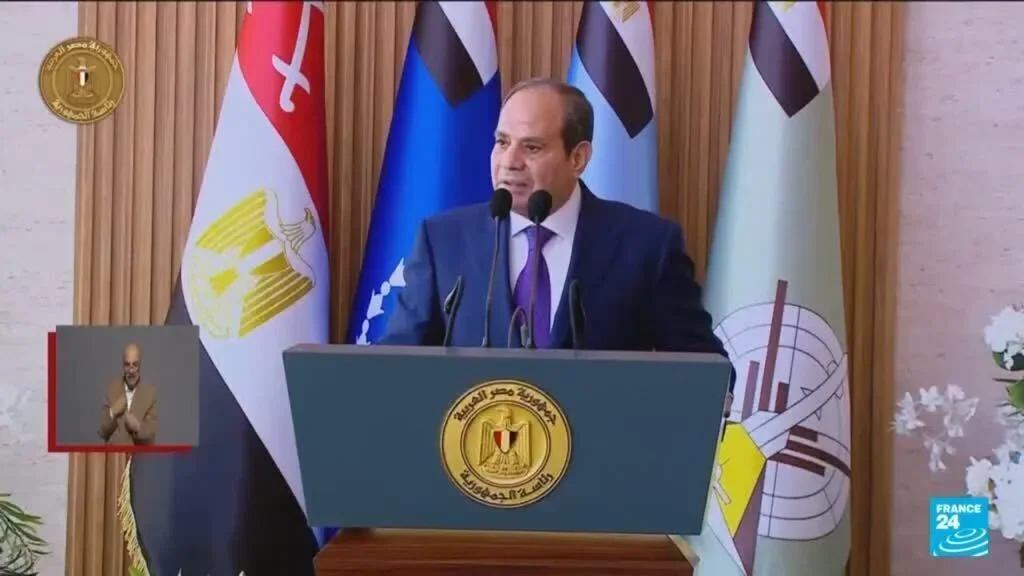
The geopolitical landscape of the Middle East shifted significantly this Wednesday, October 21, 2026, as reports emerged that Egypt is seriously contemplating military intervention in Yemen. Following a collapse of the September truce, Saudi Arabia has faced renewed pressure from Iran-backed Houthi forces. In response, Crown Prince Mohammed bin Salman’s recent diplomatic push in Cairo has culminated in a formal request for military support, which the Egyptian presidency has now placed before parliament. This potential entry of a major Arab military power into the conflict signals a significant escalation that could redefine regional alliances and heighten the proxy nature of the conflict.
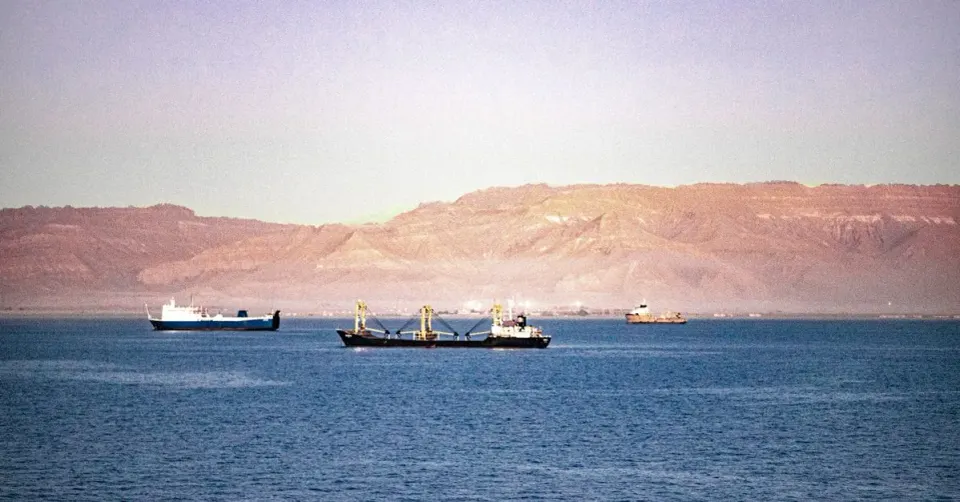
For Iranian markets, the reaction was immediate and apprehensive. The US Dollar (USD/IRR) rose from 263,700 to 266,100, marking a 0.9% increase in just 24 hours. Gold prices followed suit, with 18k gold climbing from 26,457,823 to 26,744,078 Toman (+1.1%). Investors are increasingly pricing in the risk of a wider regional confrontation that could impact shipping lanes and invite further international sanctions pressure. The move by Egypt is not merely symbolic; it represents a strategic alignment that seeks to secure the Red Sea corridor, a vital artery for both Cairo’s Suez Canal revenues and global energy flows.
France’s Economic Fragility: Riots, Debt, and Investor Flight
Across the Mediterranean, France is grappling with the aftermath of a weekend of intense civil unrest that has left its economy reeling. With over 2,300 arrests and 1,000 police officers injured, the scale of the riots has forced a painful re-evaluation of the country's stability. Beyond the physical damage to thousands of shops, the financial markets have reacted with alarm. French national debt has now ballooned to 119% of GDP, its highest level since the post-WWII era in 1946. This fiscal deterioration has led to a dramatic debt sell-off, with French borrowing costs remarkably rising higher than those of Greece, a historic inversion that highlights the deep skepticism of global investors toward Paris's current trajectory.
This economic instability in Europe’s second-largest economy has broader implications for global currency markets. As the Euro faces pressure from domestic instability, the flight to safety has bolstered the US Dollar globally, indirectly contributing to the upward pressure seen in the Toman exchange rate in Tehran. The upcoming French presidential election, now only six months away, is being reshaped by these events, with the government’s ability to manage both social order and fiscal discipline under intense scrutiny. For the Iranian observer, the French crisis serves as a reminder of how quickly social unrest can translate into a systemic financial crisis in even the most established economies.
US Regulatory Milestone: The GENIUS Act and the Future of Stablecoins
In the world of digital finance, the US Office of the Comptroller of the Currency (OCC) has officially finalized the first set of rules under the Trump-signed GENIUS Act. This regulatory milestone, set to take effect on January 18, establishes a clear framework for how stablecoins—the bridge between traditional fiat and crypto—will be treated by federal banks. Crucially, the final rule dropped a controversial proposal that would have penalized third-party reward arrangements, a move seen as a victory for the burgeoning DeFi sector. This provides a much-needed legal ceiling for stablecoin issuers who have long operated in a regulatory gray zone.
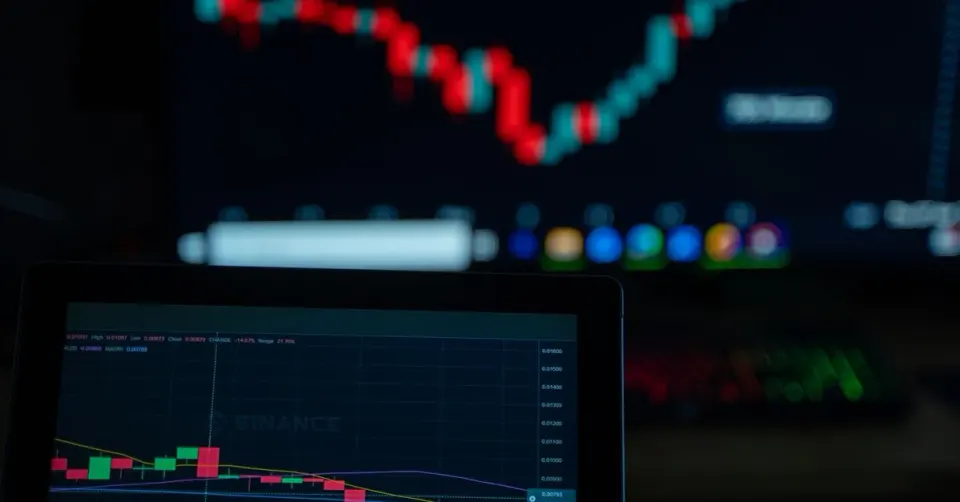
For Iranian crypto users, who rely heavily on stablecoins like USDT to hedge against Toman devaluation, this move toward US federal legitimacy is a double-edged sword. While it may increase the stability and reliability of these digital assets, it also brings them closer to the US banking system’s oversight and potential sanctions enforcement mechanisms. Currently, Bitcoin (BTC) is maintaining its position around $83,394, facing resistance near the $87,000 mark as "top buyers" from late 2025 begin to take profits. The intersection of AI and crypto remains a hotbed for innovation, as firms like BitGo launch new units to build the infrastructure for an AI-driven economy.
Regional Security and Infrastructure: Clashes in Baluchestan
Closer to home, internal security remains a point of concern. The Sistan and Baluchestan Police Information Center reported a deadly shootout in Khash County, where one terrorist was killed in a direct clash with police forces. While two other suspects managed to flee, the incident underscores the persistent security challenges in Iran’s southeastern border regions. Such events, while localized, contribute to the overall sentiment of regional instability that keeps domestic markets on high alert and encourages the hoarding of hard currency and gold coins, such as the Emami coin which rose to 269,500,000 Toman today.
In a stark contrast to regional military spending, global infrastructure projects continue to move forward in quieter corners of the world. In the UK, a massive 12-mile tunnel has been proposed to divert sewage away from Lake Windermere, England’s largest lake, to combat toxic algal blooms. While seemingly unrelated to the geopolitical storms of the Middle East, such projects highlight the divergence in global capital allocation: while some nations are forced to spend on defense and debt servicing, others are focusing on long-term environmental and public health infrastructure. For the Iranian reader, this contrast highlights the high opportunity cost of regional tensions on domestic development.

Watch
Egypt mulls joining Saudi Arabia in war against Houthis • FRANCE 24 English
FRANCE 24 English
Frequently Asked Questions
چرا ورود مصر به جنگ یمن بر قیمت دلار در ایران تأثیر میگذارد؟
بحران بدهی فرانسه چه ارتباطی با بازار ایران دارد؟
قانون GENIUS در آمریکا چه تأثیری بر کاربران تتر در ایران دارد؟
Geopolitical Instability and its Impact on Currency Exchange Rates
Geopolitical instability refers to political turmoil, conflicts, or significant shifts in power dynamics between nations or regions. Such events, like the potential for increased involvement in the Yemen conflict mentioned in the headline, are often perceived by markets as a major source of risk. For national currencies, this instability typically translates into increased volatility and, more often than not, depreciation. When a region becomes politically uncertain, investors tend to shy away from assets denominated in that region's currency, seeking safer havens elsewhere.
The mechanism behind this depreciation is multifaceted. Firstly, heightened geopolitical risk erodes investor confidence. Foreign investors may withdraw capital from the affected country, fearing asset devaluation or difficulty repatriating profits, leading to capital flight. This outflow of capital directly reduces demand for the local currency and increases its supply on international markets, pushing its value down. Secondly, internal economic activity can be disrupted by conflict or political uncertainty, impacting trade balances, tourism, and foreign direct investment, all of which are crucial for a currency's strength.
The Iranian Toman, as highlighted by its movement to 266,100 against the USD in the headline, is particularly susceptible to geopolitical pressures. Iran's economy and currency have long been influenced by regional conflicts, international sanctions, and domestic political developments. The threat of escalating regional tensions, such as potential involvement in the Yemen conflict, signals increased risk for Iran's economic outlook. This perception of heightened risk makes holding Tomans less attractive, driving local citizens and international actors alike to seek more stable assets, often foreign currencies like the U.S. dollar or commodities like gold, further weakening the Toman's value.
A depreciating currency due to geopolitical instability has severe economic consequences. It makes imports more expensive, fueling inflation within the country and reducing the purchasing power of its citizens. This can lead to higher costs for essential goods, raw materials, and technology. Furthermore, it complicates debt repayment for governments or businesses with foreign currency-denominated loans and can deter much-needed foreign investment, hindering long-term economic growth and stability. Understanding this dynamic is crucial for interpreting global economic news and its real-world impact.
Topics
Related Articles