Senate Blocks Trump’s $1bn Ballroom Security as IEA Warns of Oil ‘Red Zone’
بنبست بودجه در سنا بر سر «تالار رقص» ترامپ؛ هشدار آژانس انرژی درباره ورود بازار نفت به «منطقه قرمز»
US Senate gridlock over immigration and White House security costs stalls critical funding, while global energy markets brace for a mid-summer supply crunch. Meanwhile, Samsung settles a labor dispute but faces growing internal friction over AI-driven profits.
At time of publishing
USD
179,500
Toman
Gold 18K
19.79M
Toman / gram
Bitcoin
$77,683
US Dollar
Tether
17,759.8
Toman
The $1 Billion Ballroom: US Senate Stalls on Security and Border Funding
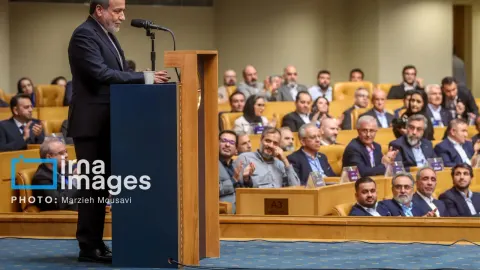
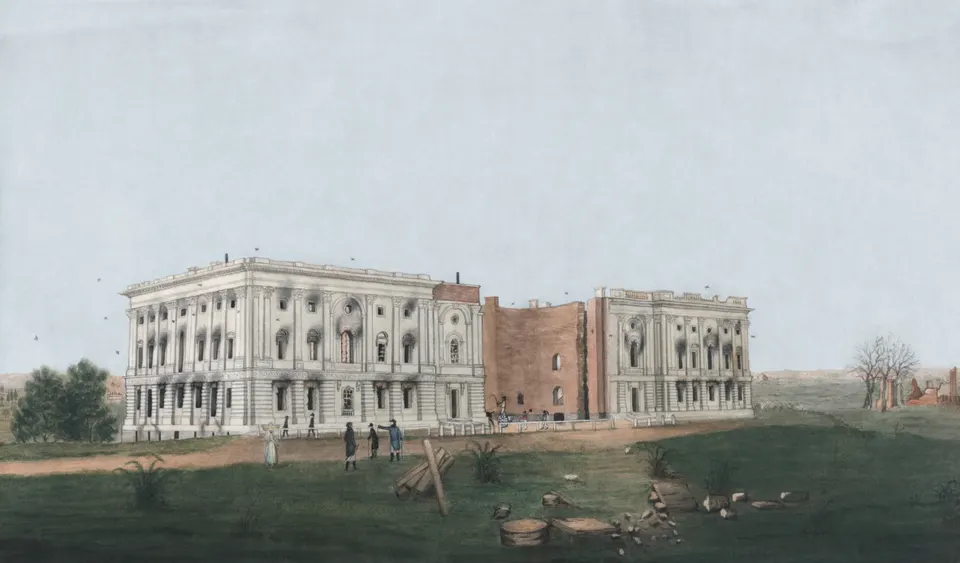
In a dramatic standoff on Capitol Hill, the US Senate has failed to advance a $70 billion funding bill intended for Immigration and Customs Enforcement (ICE) and border patrol. The primary point of contention isn't just the border itself, but a controversial $1 billion proposal for security measures tied to Donald Trump’s White House ballroom and a $1.8 billion "anti-weaponization" fund. Republicans have expressed frustration as the June 1 deadline approaches, with many lawmakers heading home for the Memorial Day recess without a resolution. Democratic leaders, including Chuck Schumer, have slammed the bill as a collection of "broken promises," highlighting the internal fractures within the Republican party regarding how public funds should be allocated for executive luxuries.
For Iranian observers and the global market, this legislative paralysis reflects a deeper volatility in US governance that often precedes shifts in foreign policy and sanctions enforcement. While the USD/IRR exchange rate showed a marginal decline, moving from 179,600 to 179,500 (-0.1%), the underlying political instability in Washington keeps the market on edge. If the US administration cannot secure its own domestic funding due to internal bickering over ballroom costs, its capacity to maintain a unified front on international economic pressures remains questionable. This political theater adds a layer of uncertainty to the Toman's valuation as traders weigh the likelihood of a more distracted or aggressive US executive branch.
Energy Markets Enter the 'Red Zone' as Hormuz Blockade Bites
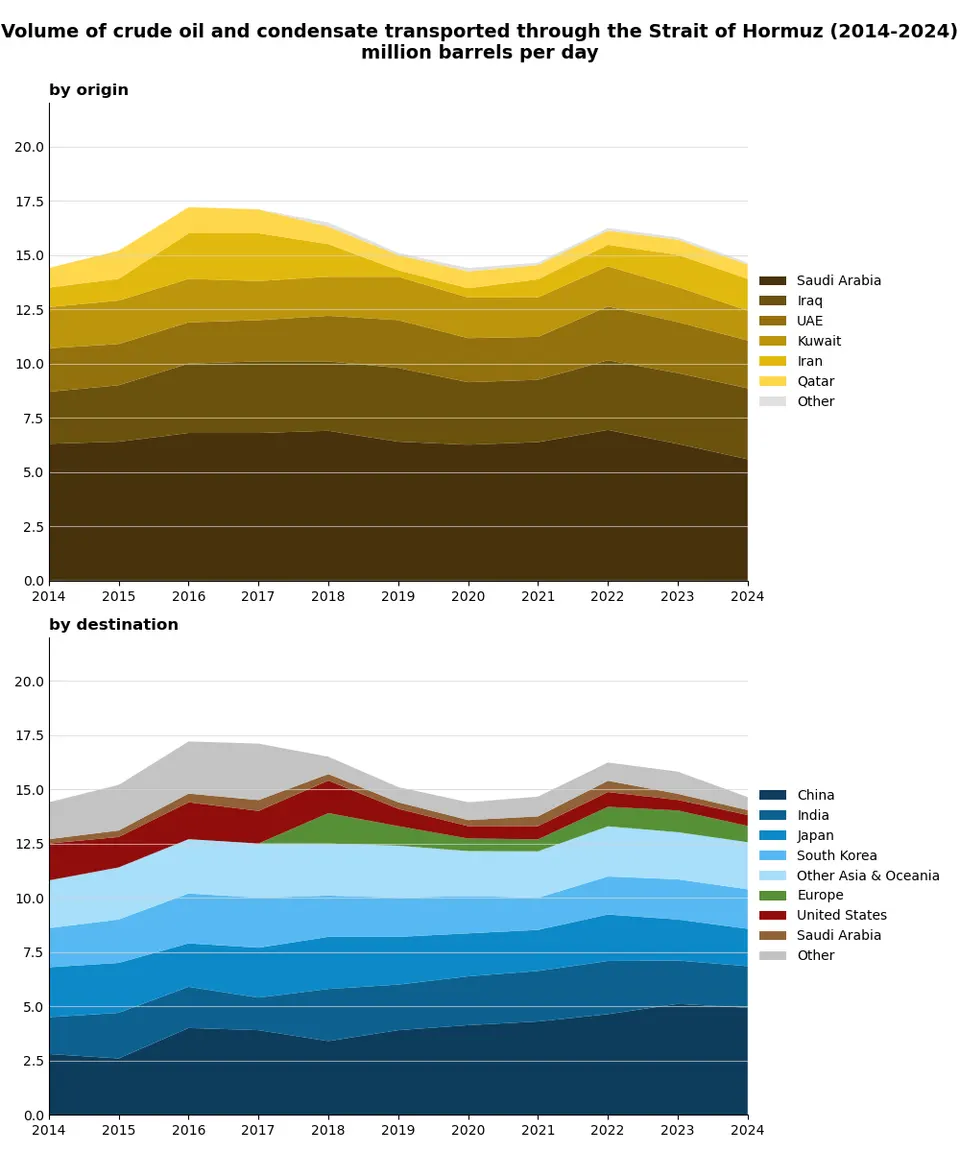
The International Energy Agency (IEA) has issued a stark warning: the global oil market is rapidly approaching a "red zone." Fatih Birol, the IEA chief, noted that by July and August, dwindling global stocks and a severe shortage of Middle East exports will trigger a massive supply crunch. This coincides with a warning from ADNOC's CEO, Sultan Al Jaber, who suggested that disruptions in the Persian Gulf could persist until 2027. Currently, physical supplies through the Strait of Hormuz are operating at a staggering 95% below regular levels, a situation that has sent shockwaves through energy-dependent economies.
Despite the geopolitical tension, gold prices in Iran have seen a slight uptick, with Gold 18k/gram rising from 19,702,664 to 19,788,540 (+0.4%). However, the Emami coin fell from 193,500,000 to 192,000,000 (-0.8%), suggesting a complex internal market reaction where investors are liquidating certain assets to cover liquidity needs or shifting toward raw gold. The IEA’s "red zone" prediction implies that the true economic impact of the Hormuz closure has yet to be fully priced in by global consumers, meaning the coming months could see significantly higher volatility for energy and precious metals alike.
Samsung’s AI Windfall Sparks Labor Friction
Samsung Electronics has narrowly avoided a massive worker walkout by offering substantial bonuses, but the peace is fragile. The core of the dispute lies in the distribution of massive profits generated by the current AI boom. As a primary supplier of high-end memory chips essential for AI processing, Samsung has seen its valuation soar. However, employees are demanding a more equitable share of these "AI spoils," arguing that the company's success is built on their labor while executive compensation and corporate reserves grow disproportionately. This discord highlights a growing global trend where the benefits of artificial intelligence are concentrated at the top, leading to labor unrest in high-tech sectors.
This story matters because it signals a shift in the tech economy from pure innovation to a struggle over wealth distribution. As AI becomes the primary driver of corporate growth, the "Samsung model" of settling disputes with one-time bonuses may not be sustainable. For investors in the tech and crypto sectors, labor instability at a critical hardware node like Samsung could lead to supply chain bottlenecks, affecting everything from server production to the hardware needed for advanced crypto mining and AI development. The brewing discord suggests that even as AI technologies advance, the human element of the industry remains a volatile and underpriced risk.
London’s AI Policing Row: Sadiq Khan Blocks Palantir Deal
London Mayor Sadiq Khan has stepped into a heated controversy by blocking a £50 million deal between the Metropolitan Police and the US-based AI firm Palantir. The Met had hoped to use Palantir’s sophisticated data-mining tools to automate the analysis of vast amounts of digital evidence, including phone records and human intelligence. However, Khan cited "serious concerns" regarding the transparency of the deal and the potential for AI to be used in ways that infringe on civil liberties. The police force, currently facing a £125 million funding shortfall, viewed the AI deal as a necessary step to maintain efficiency as officer numbers dwindle.
This clash between political oversight and technological adoption in policing is a microcosm of a global debate. As public services are hollowed out by fiscal constraints, AI is increasingly seen as a "magic bullet" to replace human labor. Yet, the use of proprietary algorithms from companies like Palantir raises questions about accountability and bias. For the global audience, this highlights the growing friction between the efficiency of AI and the ethical requirements of public governance. The outcome of this row will likely set a precedent for how other major cities integrate AI into sensitive areas like law enforcement and national security.
Frequently Asked Questions
Why did the US Senate block the ICE funding bill?
What does the IEA's 'red zone' warning mean for oil prices?
Why are Samsung employees unhappy despite receiving bonuses?
How is the USD/IRR market reacting to the US political gridlock?
Topics
Related Articles