Iran World Cup Squad Visa Applications Stir Debate; China Hikes Fuel Caps Amid Regional Tensions
درخواست ویزای بازیکنان تیم ملی در آنکارا؛ افزایش قیمت سوخت در چین همزمان با تنشهای منطقهای
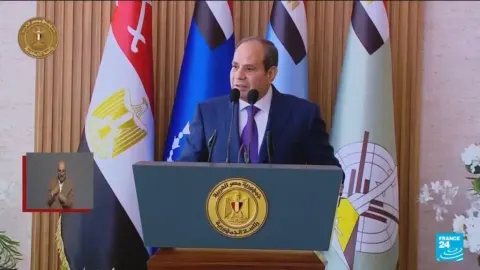
Iran's national football team members have applied for North American visas in Turkiye, sparking discussions on athletic migration. Meanwhile, China has raised domestic fuel price caps as energy markets remain volatile due to ongoing regional conflict.
At time of publishing
USD
180,000
Toman
Gold 18K
19.58M
Toman / gram
Bitcoin
$77,095
US Dollar
Tether
18,001.169
Toman
Iranian National Team Seeks Visas in Ankara Amid Diplomatic Friction
In a move that has captured significant attention across social media and political circles, several members of the Iranian national football squad have reportedly appeared in person at the U.S. and Canadian embassies in Ankara, Turkiye. These players are seeking visas ahead of a critical training camp and the upcoming World Cup cycle. While the move is ostensibly logistical, it carries heavy symbolic weight given the strained diplomatic relations and the recent criticisms from Western officials regarding Iran's sports policies. The physical presence of the squad in Turkiye highlights the ongoing challenges Iranian citizens face with international mobility, even for high-profile cultural and athletic ambassadors.
This development comes at a time when the domestic sentiment in Iran is highly sensitive to the movement of public figures. For many Iranians, the sight of the national team navigating the hurdles of foreign visa applications mirrors the broader economic and social pressures felt by the population. The story also intersects with comments from Iran’s envoy to Moscow, who recently slammed Western "double standards" in international sports. For the markets, such events contribute to the general atmosphere of uncertainty, often influencing the psychological floor of the currency market as citizens weigh the implications of high-profile figures securing foreign travel documents.
Global Energy Shock: China Raises Fuel Caps as War Risks Persist
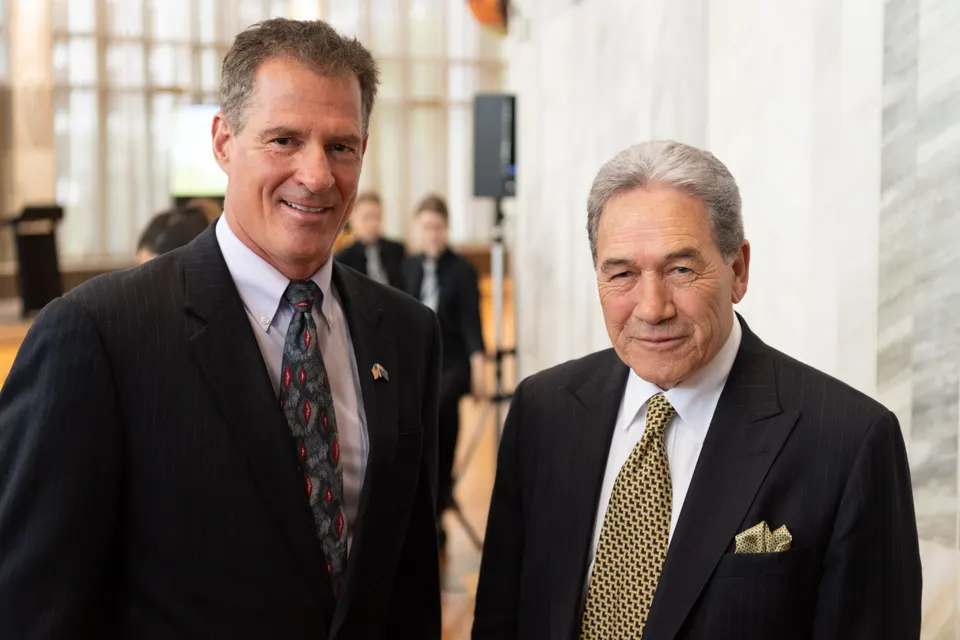
The economic ripple effects of the ongoing regional conflict involving Iran have reached a new milestone as China officially raised its domestic fuel price caps. The Chinese state planner announced an increase in the maximum retail price of gasoline by approximately $11.03 per metric ton, while diesel prices saw a similar upward adjustment. This move is a direct response to the surging cost of crude oil, which has remained stubbornly high as the threat of a prolonged blockade or wider war in the Middle East keeps global energy markets on edge. Unlike other major consumers like India, which have been slower to pass costs to consumers, Beijing is moving aggressively to align domestic prices with global realities.
For the Iranian economy, this global energy tension presents a complex paradox. While rising oil prices theoretically benefit an oil-producing nation, the logistical challenges and the threat of a total blockade in the Strait of Hormuz create a high-risk environment that discourages long-term investment. In Tehran, the currency market has reacted with caution; the USD rose from 179,600 to 180,000 Toman (+0.2%) in the last 24 hours. This slight appreciation of the dollar reflects the market's ongoing concern that energy-driven inflation abroad will eventually circle back to hit domestic import costs, further devaluing the Toman in the long run.
Market Correction: Gold and Coins Dip Despite Geopolitical Heat
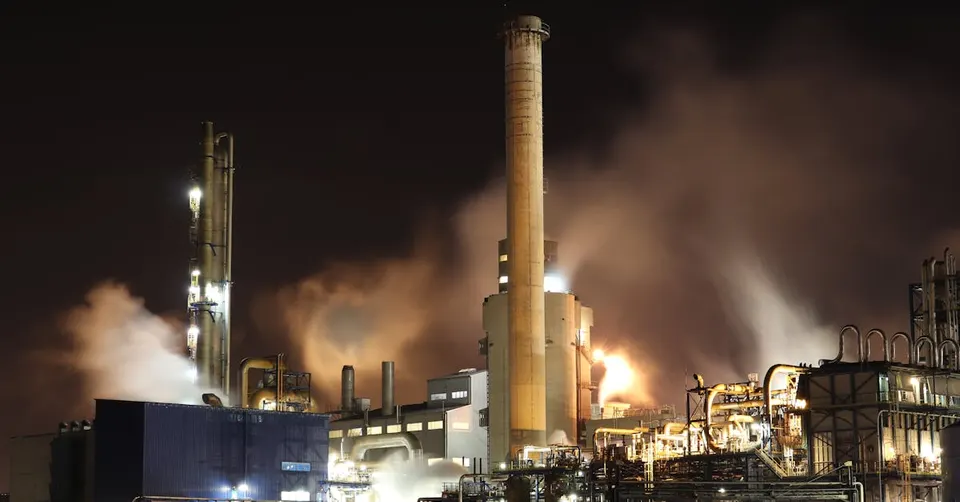
Despite the underlying tension in the energy sector, the gold and coin markets in Tehran experienced a minor correction over the last 24-hour period. Gold 18k per gram fell from 19,702,664 to 19,580,313 Toman (-0.6%), while the benchmark Emami coin dropped from 193,500,000 to 192,000,000 Toman (-0.8%). This downward movement suggests a temporary saturation in the local gold market, as investors who hedged during the initial spike in regional tensions may be taking profits or reallocating capital into the currency market, which remains the primary barometer of local economic health.
On the international stage, the crypto market is also showing signs of fatigue. Bitcoin (BTC) is currently trading at $77,095, with analysts noting a "less aggressive demand" that could lead to months of consolidation. While long-term holder supply is approaching record highs—breaking a multi-year downtrend—the lack of immediate momentum suggests that the speculative fervor of the previous weeks is cooling. For Iranian traders, this means a period of "wait and see," as the combination of a stabilizing Bitcoin and a slightly rising USD creates a neutral environment for those holding Tether (USDT), which is currently priced at 18,001 Toman.
US Politics and Global Outrage Over Regional Conduct
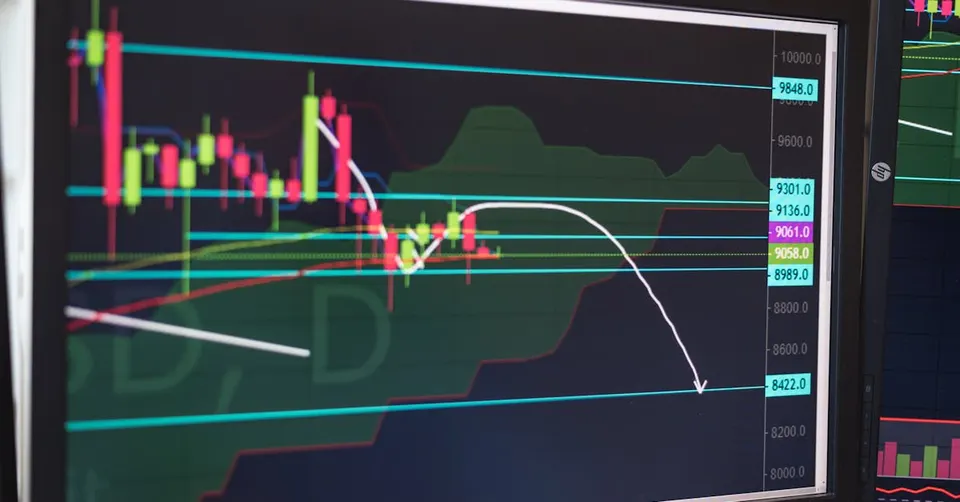
In Washington, internal political friction is mounting as Republican senators have begun to question a $1 billion proposal for a secret service expansion linked to Donald Trump’s properties. The debate over the Department of Homeland Security bill highlights the deep divisions within the U.S. government regarding the allocation of funds during a period of heightened international crisis. These domestic political maneuvers are closely watched by global markets, as any shift in U.S. policy or spending priorities can have immediate consequences for regional aid, military presence, and the enforcement of sanctions regimes that directly impact the Iranian economy.
Simultaneously, a wave of global outrage has erupted following the release of a video by the Israeli Minister of Internal Security, which showed the humiliating arrest of activists from the Sumud flotilla. Countries ranging from the UK and Australia to Belgium and Italy have issued formal reactions, further isolating certain hardline elements of the Israeli cabinet. This diplomatic backlash is significant for the region because it increases the pressure for a de-escalation of hostilities. If international pressure forces a shift in the current conflict's trajectory, it could lead to a sudden cooling of the risk premiums currently baked into oil and gold prices, potentially leading to further volatility in the coming days.
Frequently Asked Questions
Why are Iranian football players applying for visas in Turkiye?
How does China's fuel price hike affect the Iranian economy?
Why is gold dropping in Tehran while the dollar is rising?
What is the current outlook for Bitcoin according to recent data?
Understanding Geopolitical Risk and its Impact on Global Energy Markets
Geopolitical risk refers to the potential for political instability, conflicts, or international tensions to disrupt global economic stability. These risks can manifest in various forms, from trade disputes and sanctions to military confrontations, and often have profound implications for financial markets, supply chains, and commodity prices. A prime example of this interplay is the impact of geopolitical tensions on global energy markets, particularly when they involve strategically vital regions or transit points.
One of the most critical "choke points" for global oil supply is the Strait of Hormuz, a narrow waterway situated between Iran and Oman. Approximately one-fifth of the world's total oil consumption and a significant portion of its liquefied natural gas (LNG) transit through this strait daily. Its strategic importance means that any political or military tension in the region, such as those involving Iran, can immediately send shockwaves through international oil markets. The mere threat of disruption can trigger significant price hikes, as traders factor in potential supply shortages and increased shipping insurance costs.
The ripple effects of such geopolitical events are far-reaching. For oil-importing nations like China, increased global oil prices translate directly into higher domestic fuel costs, potentially fueling inflation and impacting economic growth. For oil-exporting nations like Iran, while higher oil prices might seem beneficial, the underlying geopolitical instability can lead to currency depreciation (like the USD/IRR exchange rate), capital flight, and difficulties in accessing international markets due to sanctions or increased risk premiums. Understanding geopolitical risk is thus crucial for comprehending the volatility in energy prices, currency markets, and the broader global economic landscape.
Topics
Related Articles