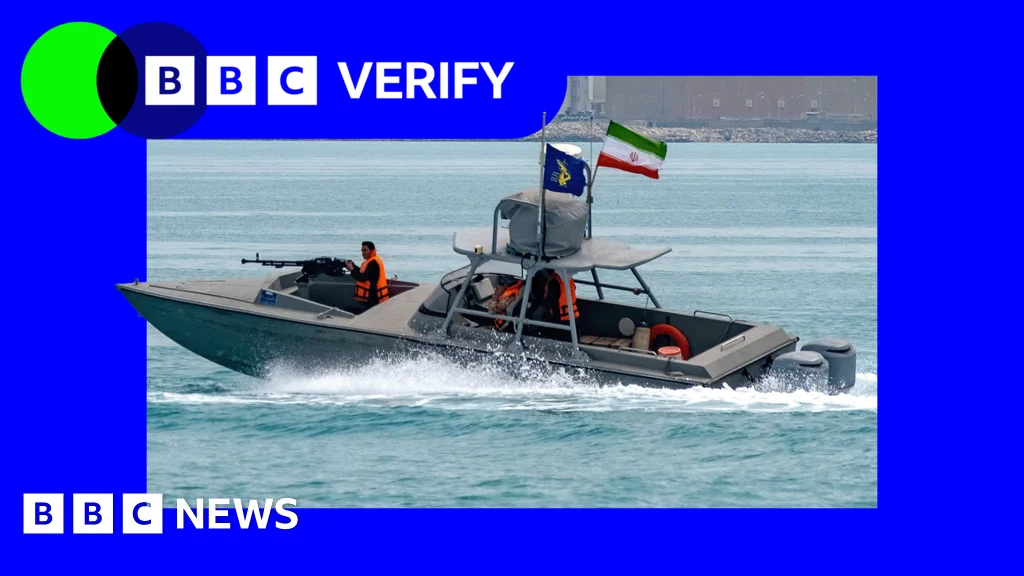
Iran Tightens Grip on Hormuz; AI Giants Forge Data Deals; Oil Prices Surge
ایران کنترل تنگه هرمز را تشدید کرد؛ غولهای هوش مصنوعی قرارداد داده امضا کردند؛ قیمت نفت جهش یافت
Iran has escalated its claims over the vital Strait of Hormuz, publishing maps asserting broad military oversight. Meanwhile, major AI players are striking significant data center deals, with Anthropic reportedly paying $15 billion annually for access to Elon Musk's facilities. Oil prices are also climbing amid dwindling crude stockpiles and the start of the summer travel season.
At time of publishing
USD
179,600
Toman
Gold 18K
19.59M
Toman / gram
Bitcoin
$76,834
US Dollar
Tether
17,759.2
Toman
Iran Escalates Claims Over Strait of Hormuz
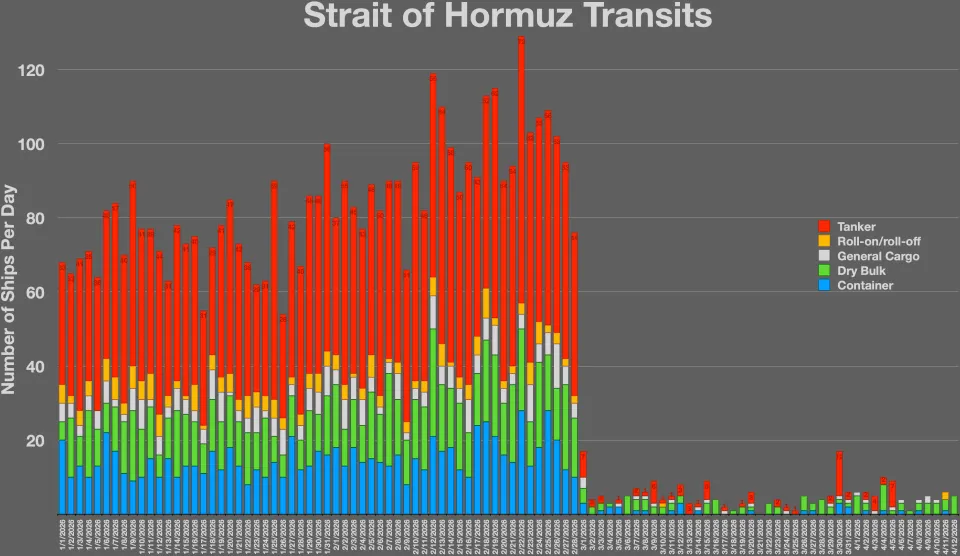
Iran has intensified its assertion of control over the strategically crucial Strait of Hormuz, publishing detailed maps that claim "armed forces oversight" across an expansive area of more than 22,000 square kilometers within the waterway. This move significantly amplifies Tehran's long-standing assertions of authority in this critical global shipping lane, through which a substantial portion of the world's oil supply transits. The publication of these maps serves as a direct signal to international maritime traffic and regional powers, underscoring Iran's willingness to project its influence and potentially dictate terms of passage.
This escalation comes at a time of heightened geopolitical sensitivity in the region. While the exact motivations behind this timing remain subject to interpretation, it is plausible that Iran seeks to leverage current global dynamics, perhaps to bolster its negotiating position or to deter potential adversaries. The economic implications for global energy markets are profound; any disruption or perceived threat to the free flow of oil through Hormuz invariably leads to price volatility and concerns about supply security. For Iran, such assertive posturing could be aimed at consolidating domestic political standing and projecting strength in a complex regional environment, while for international observers, it signals a persistent source of tension that requires careful monitoring.
---
AI Giants Forge Lucrative Data Center Partnerships
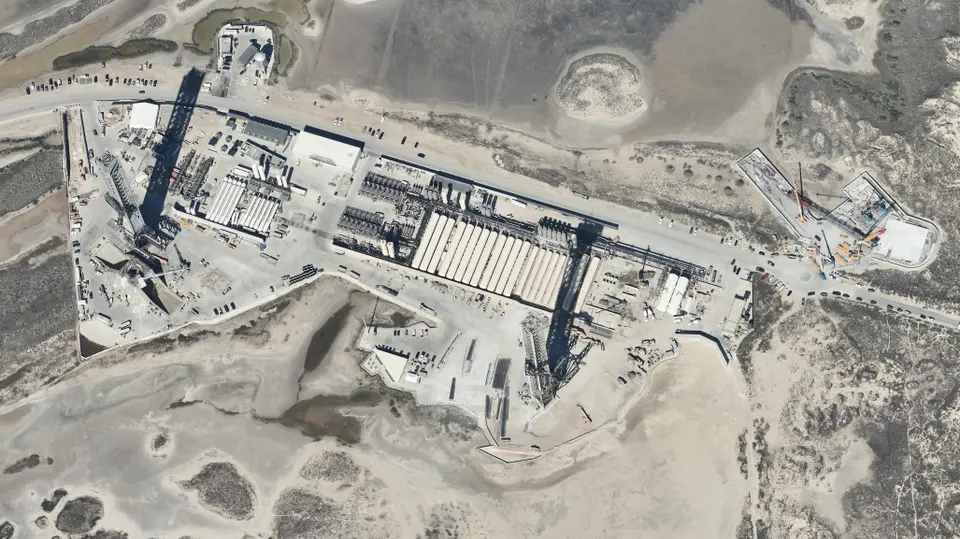
In the rapidly evolving landscape of artificial intelligence, significant financial commitments are being made to secure the computational power necessary for developing and deploying advanced AI models. Anthropic, a leading AI research company, is reportedly set to pay an astonishing $15 billion annually for access to data center facilities owned by Elon Musk's SpaceX. This substantial deal, revealed in SpaceX's IPO filing, highlights the immense demand for high-performance computing infrastructure and the premium placed on proprietary data processing capabilities.
The rationale behind such a massive investment is straightforward: cutting-edge AI development, particularly in areas like large language models and complex simulations, requires an unprecedented scale of processing power and specialized hardware. By securing access to Musk's extensive data center network, codenamed 'Colossus' and located in Memphis, Tennessee, Anthropic aims to ensure it has the necessary resources to continue its ambitious research and development roadmap without being constrained by infrastructure limitations. This partnership underscores the intense competition among AI firms to gain a technological edge and the critical role that foundational infrastructure plays in that race.
---
Oil Prices Climb as Demand Surges and Supplies Tighten
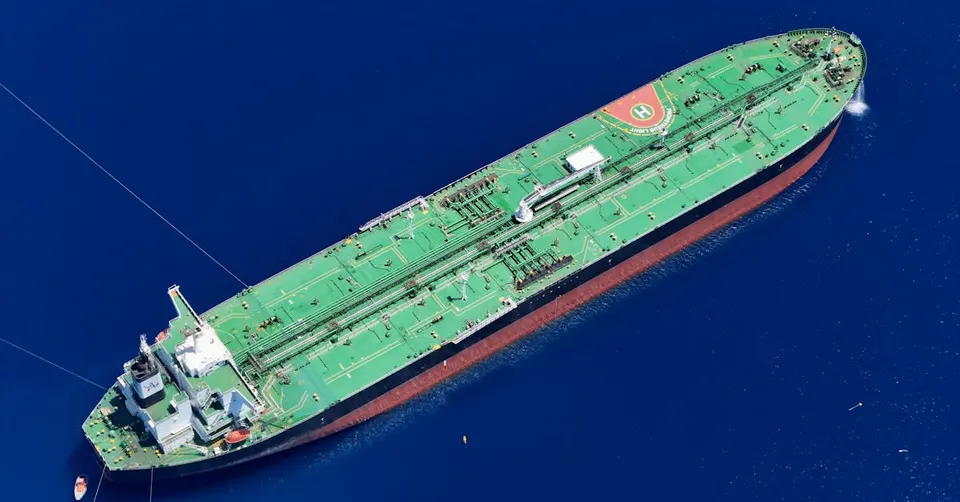
Global oil prices are experiencing an upward trend, driven by a confluence of factors including rapidly depleting crude stockpiles and the commencement of the busy summer travel season. MarketWatch reports that physical oil supplies moving through the Strait of Hormuz have fallen to critically low levels, approximately 95% below normal, exacerbating supply concerns. This tightening of available crude, coupled with an anticipated surge in demand as consumers hit the road for holidays, is creating a potent cocktail for rising energy costs.
The timing of this price increase is particularly noteworthy. As the Memorial Day weekend marks the unofficial start of summer in many Western countries, demand for gasoline and jet fuel typically spikes. This seasonal surge in consumption, occurring against a backdrop of already strained inventories and ongoing geopolitical tensions that can affect supply routes, naturally pushes prices higher. For consumers, this translates directly into higher fuel costs at the pump, impacting household budgets and potentially contributing to broader inflationary pressures. For the energy sector, it signals a period of increased profitability but also highlights the ongoing vulnerability of global supply chains to disruptions, whether political or logistical.
---
UK Migration Falls Sharply Amid Policy Shifts
Official figures released reveal a significant decrease in net migration to the United Kingdom, with numbers falling by nearly 50% to 171,000 in the past year. This decline is being viewed as a substantial political win for the current government, particularly in the context of ongoing debates surrounding immigration policy and its impact on public services and national identity. The data, published by the Office for National Statistics (ONS), indicates the lowest net migration figures recorded since 2021, suggesting a tangible effect from recent policy adjustments aimed at controlling the inflow of foreign nationals.
The shift in migration patterns is closely tied to the political landscape, with opposition parties having made curbing immigration a central tenet of their platforms. The Labour party, in particular, had vowed to reduce immigration numbers, and this latest data suggests their policy promises are translating into on-the-ground results. For the UK economy, a decrease in migration can have multifaceted implications, potentially affecting labor markets in sectors reliant on foreign workers, such as healthcare and hospitality, while also easing pressure on housing and public infrastructure. The long-term economic and social consequences of this demographic shift will be closely watched by policymakers and the public alike.
---
Bitcoin Navigates Choppy Waters Amidst Tech Earnings and Geopolitical Focus
Bitcoin has seen its price movement remain relatively flat around the $77,000 mark, as the cryptocurrency market consolidates amidst a flurry of significant events in the tech and geopolitical spheres. While the digital asset has shown resilience, its trajectory appears to be influenced by broader market sentiment rather than distinct cryptocurrency-specific catalysts. The focus has largely shifted to major corporate earnings, particularly from tech giants like Nvidia, and ongoing diplomatic developments, including prospects for peace in the Middle East, which implicitly involve Iran.
The stability in Bitcoin's price, despite its typical volatility, suggests a period of cautious observation by investors. The anticipation surrounding Nvidia's earnings report and the broader implications of AI advancements (as seen with the Anthropic-SpaceX deal) are capturing market attention, potentially drawing capital away from speculative assets like crypto in the short term. Concurrently, any perceived de-escalation of geopolitical tensions, especially concerning Iran and the Strait of Hormuz, could reduce the appetite for safe-haven assets, indirectly impacting Bitcoin's appeal as a hedge. Traders are likely weighing these competing factors, leading to the current muted price action, awaiting clearer signals from either the tech sector's performance or the resolution of international diplomatic challenges.

Frequently Asked Questions
What is the significance of Iran's expanded claim over the Strait of Hormuz?
Why are AI companies like Anthropic making such large investments in data centers?
What factors are driving the recent increase in oil prices?
How does the decrease in UK net migration potentially affect the economy?
What is the current sentiment in the Bitcoin market?
The Geopolitical Significance of the Strait of Hormuz
The Strait of Hormuz is a narrow, strategically vital waterway connecting the Persian Gulf to the Arabian Sea and the open ocean. Located between Oman and Iran, it is one of the world's most critical maritime chokepoints. Its geographical position makes it indispensable for global trade, particularly for the transport of crude oil and liquefied natural gas (LNG) from the Middle East to markets around the world.
What makes the Strait of Hormuz so crucial is the sheer volume of energy resources that pass through it daily. Approximately one-fifth of the world's total petroleum consumption, and a significant portion of its LNG, transits this strait. Major oil producers like Saudi Arabia, Iran, Iraq, Kuwait, Qatar, and the United Arab Emirates rely heavily on this passage to export their hydrocarbons. Any disruption to traffic through the Strait can therefore have immediate and profound impacts on global energy prices and supply chains.
Given its strategic importance, the Strait of Hormuz has historically been a flashpoint for geopolitical tensions. When headlines mention Iran "tightening its grip" or increasing its presence, it immediately signals potential risks to global energy security. Such actions can lead to a surge in oil prices, as markets price in the increased risk of supply disruptions. Understanding the Strait of Hormuz is essential for anyone seeking to comprehend the intricate relationship between geopolitics, energy markets, and international stability.
Topics
Related Articles