Trump Claims Iran Peace Deal 'Largely Negotiated' as Markets React to Potential Hormuz Reopening
ترامپ از نهایی شدن توافق صلح با ایران خبر داد؛ واکنش بازارها به احتمال بازگشایی تنگه هرمز
President Trump has announced that a memorandum of understanding with Iran is nearing completion, potentially reopening the strategic Strait of Hormuz. Despite the diplomatic optimism, Tehran markets are showing mixed signals with a slight rise in the dollar and a drop in gold prices.
At time of publishing
USD
177,500
Toman
Gold 18K
18.89M
Toman / gram
Bitcoin
$76,636
US Dollar
Tether
168,448
Toman
The 'Grand Bargain': Trump Signals End to Conflict
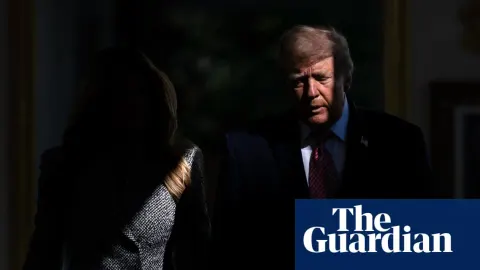
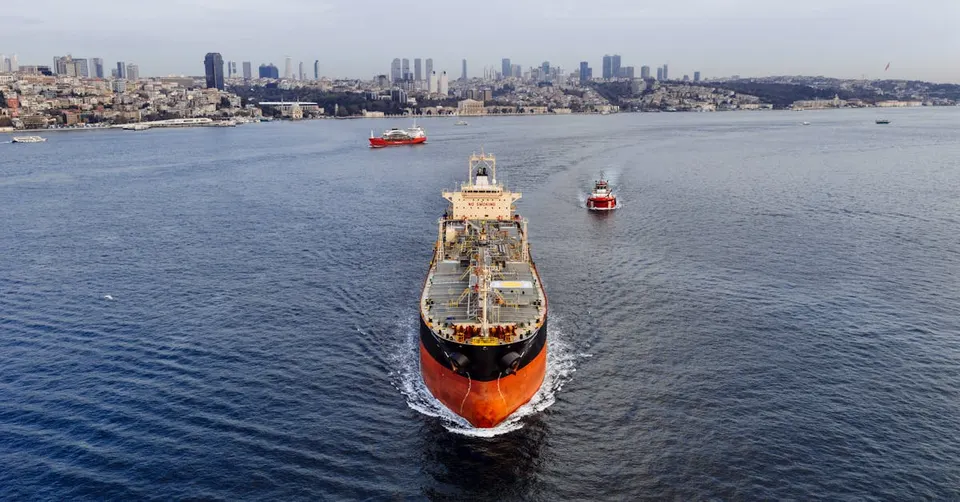
In a series of rapid-fire updates that have sent shockwaves through global diplomatic circles, President Donald Trump announced this morning that a peace deal with Iran has been "largely negotiated." Following intensive mediation efforts involving the Pakistani Prime Minister and key Gulf allies, the White House suggests that a Memorandum of Understanding (MoU) is in its final stages. The most critical component of this purported deal is the reopening of the Strait of Hormuz, the world's most vital oil chokepoint, which has been severely restricted since the escalation of hostilities in February 2026. Trump’s rhetoric suggests a swift return to stability, though he noted that "final aspects and details" are still being hammered out with regional stakeholders.
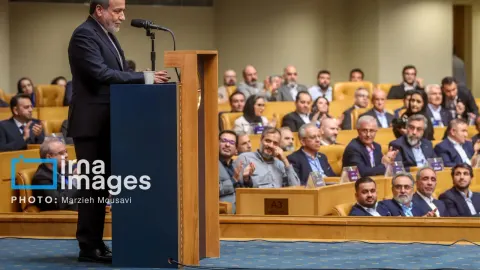
However, the narrative from Tehran remains more measured. While Iranian officials acknowledged a "positive stride" in negotiations—crediting Pakistan’s role as a neutral bridge—they have been quick to temper expectations. Sources within the Iranian Ministry of Foreign Affairs and reports from Fars News Agency emphasize that any agreement must respect Iranian sovereignty over the Strait of Hormuz. For the Iranian leadership, the focus remains on "peace through strength," ensuring that any diplomatic thaw provides concrete relief from the heavy sanctions and military pressures that have defined the past several months. This divergence in framing suggests that while a deal is close, the implementation phase could still face significant hurdles.
Market Dissonance: USD Gains as Gold Recedes
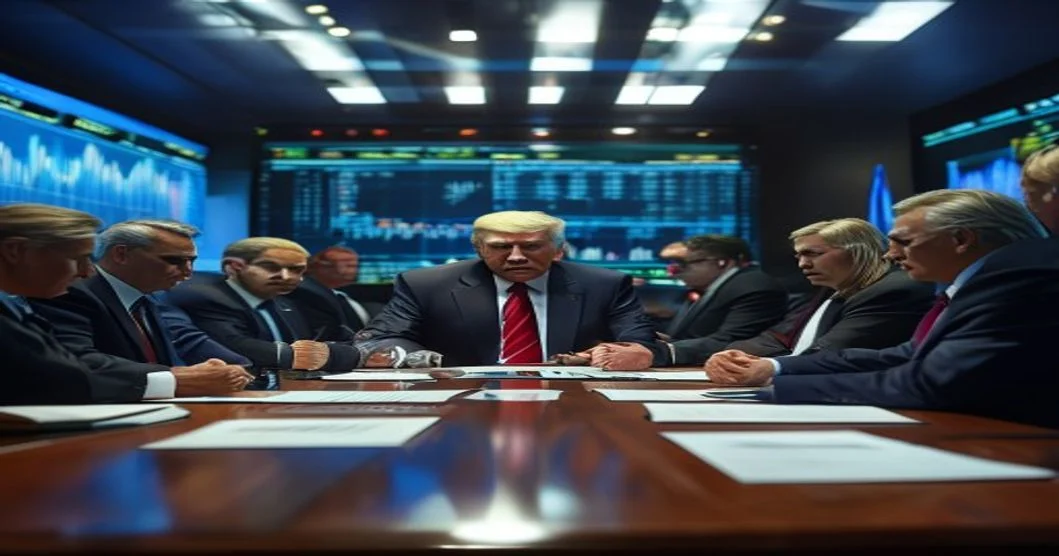
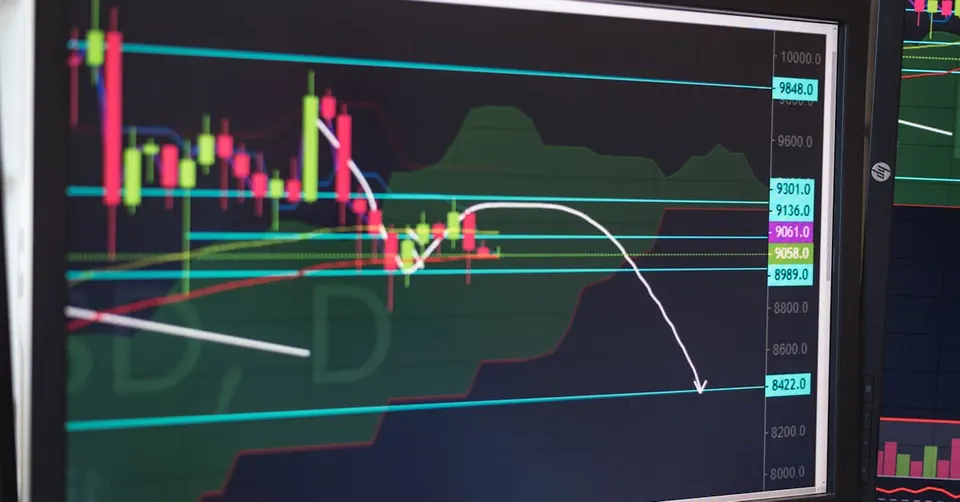
The reaction in the Tehran markets at the 10:00 AM opening has been characterized by a strange dissonance. Despite the news of a potential peace deal, the US Dollar (USD) has seen a modest uptick, moving from 176,100 to 177,500 Toman, a 0.8% increase. This rise likely reflects a surge in demand from importers and businesses who are anticipating a sudden reopening of trade routes and are scrambling to secure liquidity for upcoming international transactions. In a market long starved of foreign exchange, the prospect of a deal often triggers a "buy the rumor" phase where the currency appreciates in anticipation of increased economic activity, even before the ink is dry on any treaty.
Conversely, the gold and coin markets are reacting with a sharp correction. 18k Gold dropped from 19,204,487 to 18,889,145 Toman per gram (-1.6%), while the Emami coin fell from 189,000,000 to 185,000,000 Toman (-2.1%). This downward movement is a classic response to a reduction in geopolitical risk. For months, gold has served as the primary safe-haven asset for Iranians looking to protect their wealth from the threat of war. As the drums of war fade and the possibility of a diplomatic resolution becomes tangible, the "war premium" is being priced out of the precious metals market. Investors are rotating out of defensive positions in gold and back into more liquid or productive assets, leading to the current price slide.
Regional Volatility vs. Diplomatic Outreach
While the headlines are dominated by the US-Iran peace talks, the situation on the ground remains volatile. Iranian Foreign Ministry spokesperson Esmaeil Baqaei recently issued a strong condemnation of continued Israeli military actions in Lebanon, which have resulted in significant civilian casualties. This serves as a reminder that the broader regional conflict is far from over, even if a bilateral understanding between Washington and Tehran is reached. The duality of Iranian policy—pursuing high-level diplomacy while maintaining a hardline stance against regional adversaries—creates a complex environment for investors and policymakers alike. Baqaei’s recent public focus on historical Persian victories over invaders further underscores that Tehran intends to enter any agreement from a position of national pride rather than desperation.
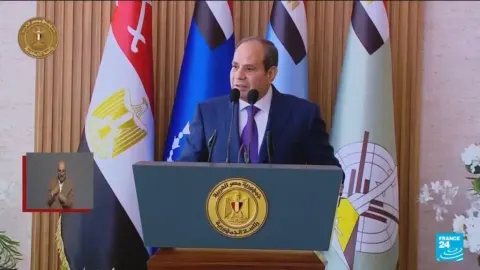
Simultaneously, diplomatic channels with regional neighbors are opening up. Foreign Minister Abbas Araghchi’s recent call with his Saudi counterpart, Faisal bin Farhan Al Saud, indicates that any potential deal with the US is being coordinated with Riyadh to ensure a broader regional de-escalation. This is a critical development for the Iranian economy; a rapprochement that includes both the US and Saudi Arabia could lead to a significant influx of regional investment and a more stable environment for energy exports. However, the shadow of the "broken food system" mentioned in global reports remains a concern. With the Iran war having already caused a 40% spike in global food prices, the urgency for a resolution is not just political, but a matter of global food security that affects every household from London to Tehran.
The Path Ahead: What to Watch
As we move into the afternoon sessions, the focus will remain on the "final details" of the MoU mentioned by Trump. The key indicator of success will be whether the US Treasury provides immediate, tangible sanctions relief—particularly in the banking and energy sectors—in exchange for the reopening of the Strait of Hormuz. If these details are not clarified shortly, the initial market optimism could turn into a volatile sell-off. For the average Iranian citizen, the primary concern remains the cost of living. While gold prices are falling, the persistent high cost of essential goods continues to squeeze household budgets, and it will take months of sustained stability before the benefits of a peace deal trickle down to the supermarket shelves.
Investors should keep a close eye on the 180,000 Toman level for the USD; a break above this could indicate that the market remains skeptical of the deal's longevity. On the other hand, a continued slide in gold prices would confirm that the public believes the threat of a full-scale regional war has truly passed. In the coming hours, any official statement from the Iranian Supreme National Security Council will be the definitive word on whether the "largely negotiated" deal is a reality or merely a tactical claim from the White House. For now, the world waits with bated breath at the edge of what could be the most significant geopolitical shift of the decade.
Frequently Asked Questions
Why did the US Dollar rise in Tehran despite news of a peace deal?
What does the 'largely negotiated' deal mean for the Strait of Hormuz?
Why is the price of gold and coins falling so sharply?
What is the role of Pakistan and Saudi Arabia in these talks?
The Strategic Importance of the Strait of Hormuz
A strategic chokepoint is a narrow geographic passage whose control can significantly influence global trade flows. The Strait of Hormuz, a 21‑mile-wide waterway between Oman and Iran, is one of the world’s most critical chokepoints because it connects the Persian Gulf with the open ocean. Roughly 20% of the world’s petroleum—including a large share of crude oil and liquefied natural gas—passes through this narrow corridor each day, making any disruption instantly felt across energy markets.
Because of its outsized share of oil exports, the Hormuz Strait directly shapes global oil prices. When tensions rise, traders price in the risk of a closure by adding a risk premium to Brent and WTI benchmarks, often pushing prices upward by several dollars per barrel. This price shock ripples into related markets: oil‑importing countries see their currencies weaken, while safe‑haven assets such as the US dollar and gold may initially rally. Conversely, a credible promise to keep Hormuz open—such as a diplomatic mediation effort—can calm markets, leading to price declines, a firmer local currency, and lower gold prices.
The economic impact extends beyond oil. Nations that rely heavily on oil revenues, like Iran and Saudi Arabia, experience immediate fiscal pressure when export flows are threatened. Their currencies—most notably the Iranian rial (IRR)—can depreciate sharply, prompting governments to intervene in foreign‑exchange markets or adjust official exchange rates. For neighboring economies such as Pakistan, which imports a sizable portion of its energy, a Hormuz disruption can exacerbate balance‑of‑payments deficits and fuel inflation.
Finally, the Strait’s strategic value makes it a focal point of international diplomacy. Negotiations that aim to reopen or keep Hormuz operational often involve broader regional peace talks, including US‑Iran engagements and Saudi‑Iran confidence‑building measures. A stable Hormuz corridor not only supports smoother energy trade but also signals a reduction in geopolitical risk, encouraging foreign investment and fostering a more predictable economic environment across the Middle East and beyond.
Topics
Related Articles