Trump’s ‘Largely Negotiated’ Iran Deal Sparks Toman Rally as Hormuz Reopening Nears
توافق «عمدتاً نهاییشده» ترامپ با ایران؛ سقوط قیمت دلار و طلا در پی احتمال بازگشایی هرمز
President Trump claims a peace deal with Iran is nearly finalized, promising to reopen the Strait of Hormuz and implement a 60-day truce. The news has sent the Iranian Toman into a sharp rally, with USD and gold prices dropping over 2% in 24 hours.
At time of publishing
USD
172,000
Toman
Gold 18K
18.78M
Toman / gram
Bitcoin
$76,910
US Dollar
Tether
170,502
Toman
The 'Grand Bargain': Trump Claims Iran Peace is Near
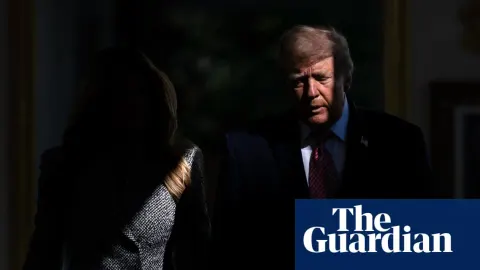
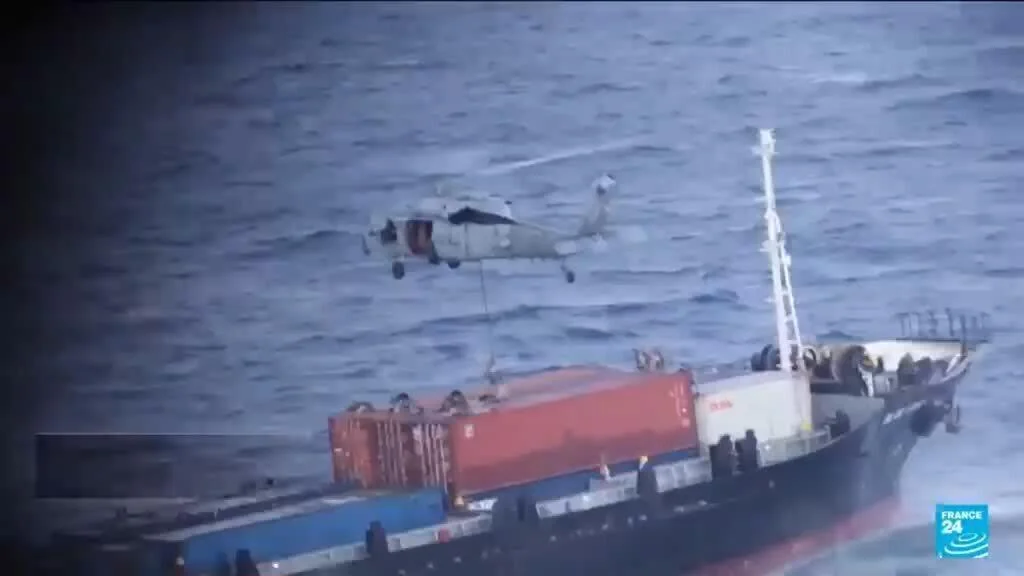
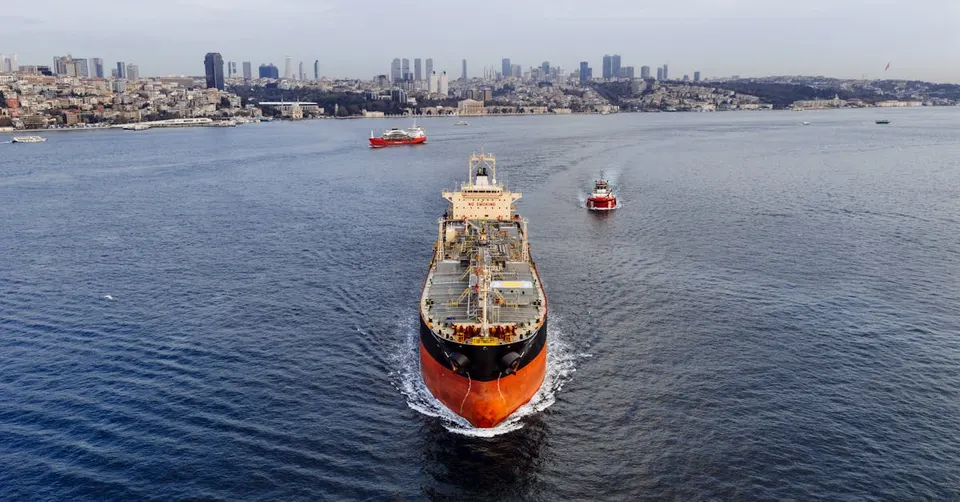
President Donald Trump has sent shockwaves through global capitals by announcing that a memorandum of understanding to end the conflict with Iran has been "largely negotiated." According to reports from the New York Times and Al Jazeera, the proposed framework centers on a 60-day truce and the immediate reopening of the Strait of Hormuz, a vital artery for global energy supplies. While Trump described the deal as nearly finalized, officials in Tehran and Washington have offered slightly differing interpretations of the terms, suggesting that while the broad strokes are agreed upon, the finer details regarding nuclear limitations and sanction relief remain under intense scrutiny.
The prospect of a diplomatic breakthrough after months of heightened military tension has shifted the narrative from "war footing" to "economic recovery." Marco Rubio, providing further context, noted that significant progress has been made in talks that could see shipping levels in the Persian Gulf return to pre-war norms within weeks. However, a "cloud of mistrust" still hangs over the negotiations. Analysts suggest that the 60-day window is intended as a cooling-off period to build the necessary confidence for a more permanent treaty, which would likely involve revived talks on Iran's nuclear program in exchange for substantial economic reintegration.
---
Tehran Markets React: Toman Rallies as Risk Premium Evaporates
The impact on the Iranian domestic market was instantaneous and dramatic. As news of the potential deal broke, the "war premium" that had been baked into currency and gold prices began to dissolve. In the last 24 hours, the USD/IRR exchange rate moved from 176,100 to 172,000, representing a sharp 2.3% appreciation for the Toman. This move reflects a sudden surge in confidence among local traders who believe that the reopening of the Strait of Hormuz will alleviate the supply-side pressures and foreign exchange shortages that have plagued the economy during the conflict.
Gold and hard assets followed a similar downward trajectory. The price of 18k gold per gram fell from 19,204,487 to 18,780,414 Toman (-2.2%), while the benchmark Emami coin saw an even steeper decline, dropping from 189,000,000 to 182,000,000 Toman (-3.7%). These figures indicate a massive shift in liquidity as investors move away from safe-haven assets and back into the currency or productive sectors. If the 60-day truce holds, market participants expect the Toman to find a new equilibrium, though the volatility remains high as the public awaits the official release of the memorandum's text.
---
Global Supply Chains and the 'America First' Ripple Effect
While the Middle East eyes a potential de-escalation, a new report from the UK’s National Preparedness Commission has warned that Western supply chains remain dangerously unprepared for major geopolitical shocks. The report highlights that Donald Trump’s "America First" policy has transformed the United States from a predictable ally into a much less reliable partner for traditional powers like Britain and Canada. This shift is forcing European states to engage in "worst-case scenario" planning, particularly concerning energy security and manufacturing dependencies that could be severed by sudden policy shifts in Washington.
The potential Iran deal is a perfect example of this unpredictability. While it promises to stabilize global oil prices by reopening the Strait of Hormuz, it also reshapes the geopolitical map without the traditional coordination with European allies. For the UK and the EU, the lesson is clear: reliance on US-led security and trade frameworks is no longer a guarantee. This realization is driving a push for "strategic autonomy" in Europe, as nations scramble to secure their own supply chains against the backdrop of a world where bilateral deals—like the one Trump is pursuing with Tehran—can override decades of multilateral diplomacy.
---
Crypto and Global Markets: Risk-On Sentiment Returns
In the digital asset space, the cooling of Middle Eastern tensions has catalyzed a "risk-on" rally. Bitcoin (BTC) rose above the $76,500 mark, currently trading at $76,910, as investors moved back into speculative assets. This recovery comes despite some lingering fears regarding the Federal Reserve's next move. With pro-crypto Kevin Warsh recently becoming Fed Chair, there was initial optimism; however, his recent hawkish comments regarding inflation have revived fears of a December rate hike. For now, the positive sentiment from the Iran peace talks seems to be outweighing the macro fears of tighter monetary policy.

Ethereum (ETH) is also holding steady at $2,118.44, supported by defenses of the Ethereum Foundation’s long-term strategy. Critics have recently attacked the Foundation for not doing enough to support the price of ETH, but researchers like William Mougayar argue that the Foundation's role is to build infrastructure, not to manipulate market prices. As the geopolitical landscape stabilizes, the focus for crypto investors is shifting back to technological fundamentals and the regulatory environment in Washington, which remains the primary driver for long-term institutional adoption.
Watch
Trump says Iran deal 'largely negotiated' including reopening Strait of Hormuz | BBC News
BBC News
Frequently Asked Questions
What are the main terms of the proposed US-Iran peace deal?
Why did the price of USD and Gold drop so quickly in Tehran?
Is the 2.3% drop in USD likely to continue?
How is the crypto market responding to the news?
The Impact of Geopolitical Events on Currency Exchange Rates
Currency exchange rates, which define the value of one nation's currency in relation to another's, are highly dynamic and influenced by a myriad of factors. While economic fundamentals like interest rates, inflation, and trade balances play a crucial role, market sentiment, often driven by political stability and geopolitical events, can trigger significant and rapid shifts. News of a major international agreement or a de-escalation of tensions can dramatically alter perceptions of a country's economic future, directly impacting its currency's value.
Geopolitical events encompass a broad range of political, economic, and social developments that have global or regional implications. For a nation like Iran, whose economy is deeply intertwined with its geopolitical standing and access to global markets, news of a potential peace deal or the reopening of a vital trade artery like the Strait of Hormuz carries immense weight. Such developments signal a potential reduction in sanctions, increased oil exports, and a boost in foreign investment, all of which are positive indicators for economic growth and stability.
When investors and traders perceive an improvement in a country's economic prospects due to positive geopolitical shifts, demand for that country's currency tends to rise. In the case of the Iranian Toman, a 'rally' signifies its appreciation against other currencies, such as the US Dollar (USD IRR exchange rate). This appreciation reflects increased confidence in the Iranian economy, as a stronger Toman means that the country's purchasing power improves and the risk associated with holding its assets decreases.
The market's immediate reaction to such news often includes a drop in the price of safe-haven assets, like gold, within the local market. This is because gold is frequently bought as a hedge against currency depreciation and economic uncertainty. As the Toman strengthens and economic uncertainty diminishes with the prospect of a deal, the perceived need for such a hedge lessens, leading to a decline in gold prices in Tehran. This interconnectedness highlights how global politics can profoundly influence local economic indicators and financial markets.
Understanding these dynamics is crucial for anyone following international news, as it reveals the direct link between headlines about peace deals and their tangible effects on a nation's wealth and its citizens' daily lives.
Topics
Related Articles