Hormuz Thaw: Toman Rallies as Trump Teases 'Largely Negotiated' Iran Peace Deal
گشایش در هرمز؛ ریزش قیمتها در بازار تهران با سیگنالهای صلح ترامپ
Markets in Tehran are reacting sharply to reports of a potential 60-day truce between the U.S. and Iran. While Donald Trump claims a deal is 'largely negotiated,' significant hurdles remain regarding nuclear limits and Israeli security concerns.
At time of publishing
USD
171,800
Toman
Gold 18K
18.79M
Toman / gram
Bitcoin
$77,231
US Dollar
Tether
170,727
Toman
The 60-Day Truce: A Breakthrough or a Mirage?
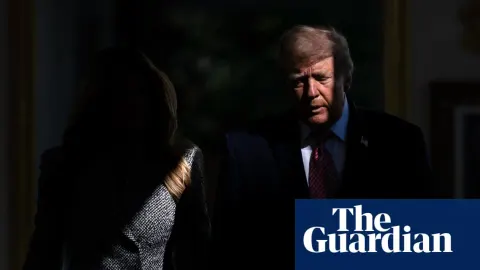
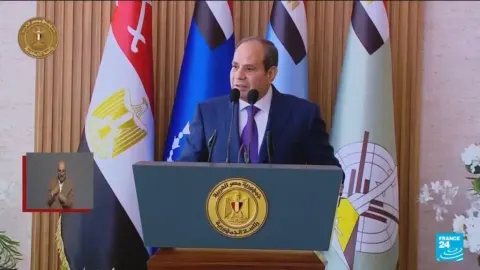
President Donald Trump has sent shockwaves through global markets by announcing that a memorandum of understanding to end the current hostilities between the United States and Iran has been "largely negotiated." According to emerging reports, the framework for this potential de-escalation hinges on a 60-day truce, the immediate reopening of the Strait of Hormuz to international shipping, and a commitment to revive stalled talks regarding Iran’s nuclear program. While the rhetoric from the White House suggests a historic breakthrough is imminent, Iranian officials have been more measured, emphasizing that any final agreement must pass through the Supreme National Security Council (SNSC) and receive the ultimate blessing of the Supreme Leader.
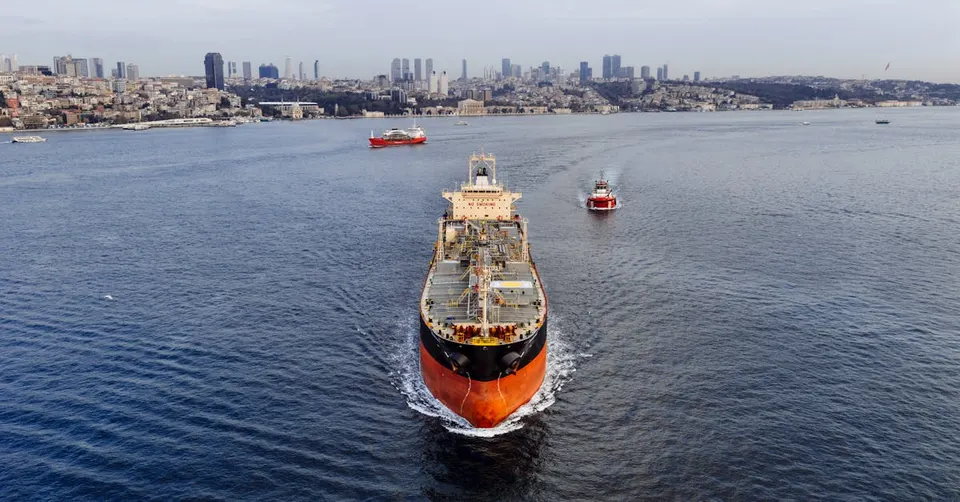
The discrepancy between the two sides' descriptions of the deal suggests that while the broad strokes may be drawn, the "murky details" remain a significant hurdle. For the international community, the reopening of the Strait of Hormuz is the primary economic prize, as it would stabilize global energy prices and remove the massive insurance premiums currently plaguing maritime trade. However, skeptics point out that a temporary truce is not a permanent treaty, and the underlying tensions regarding regional proxies and missile capabilities have yet to be addressed in a way that satisfies all stakeholders, including a notably silent Israeli leadership.
Tehran Markets React: The 'Peace Dividend' Hits the Toman
In the streets of Tehran and across digital trading floors, the reaction to the peace signals was immediate and decisive. The USD/IRR exchange rate, which had been hovering at higher levels due to war fears, dropped from 176,100 to 171,800, representing a 2.4% decline in just 24 hours. This rally for the Iranian Toman reflects a sudden injection of optimism among traders who believe that a de-escalation could lead to the unfreezing of assets and a reduction in the crippling sanctions that have defined the Iranian economy for years.
The gold market followed suit with even more volatility. The price of 18k gold per gram fell by 2.2% to 18,791,264 Toman, while the benchmark Emami coin saw a significant 3.7% drop, moving from 189,000,000 to 182,000,000 Toman. This sell-off indicates that investors are moving out of safe-haven assets and back into the local currency, betting that the "risk premium" associated with a potential direct conflict is finally evaporating. However, analysts warn that if the details of the Trump deal fail to materialize or if domestic hardliners block the progress, this market rally could reverse just as quickly as it began.
Regional Friction and the Pakistani Connection
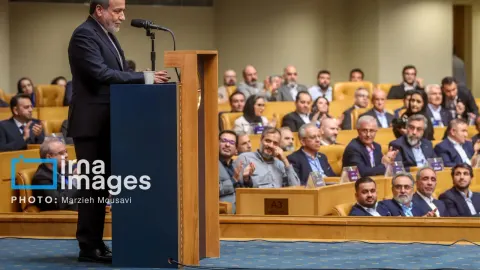
As the U.S. and Iran move toward a potential understanding, regional players are watching with a mix of hope and anxiety. Israeli leaders have remained uncharacteristically quiet, a silence that analysts suggest reflects deep-seated worries that any Trump-led deal might not sufficiently degrade Iran’s nuclear and missile capabilities. Meanwhile, in Tehran, Parliament Speaker Mohammad Bagher Ghalibaf reinforced a message of strength, stating that no tyrant can stand against Iran's faithful soldiers. This dual-track approach—negotiating at the table while maintaining a defiant military posture—is a classic hallmark of Iranian diplomacy intended to ensure they do not appear to be bargaining from a position of weakness.
Adding another layer to the regional puzzle is Pakistan, which has recently praised Iran’s "constructive engagement" in regional peace efforts. Pakistan’s Deputy Prime Minister Ishaq Dar expressed hope for a durable outcome, even as his own country faces internal security challenges, evidenced by a tragic bombing that derailed a train and killed 14 people earlier today. The instability in neighboring Pakistan serves as a reminder of the fragile security environment in which these peace talks are occurring. For the Toman to maintain its current gains, the diplomatic path must not only navigate the Washington-Tehran axis but also account for the complex web of security interests spanning from Tel Aviv to Islamabad.

Watch
Trump says Iran deal 'largely negotiated' including reopening Strait of Hormuz | BBC News
BBC News
Frequently Asked Questions
What are the main terms of the proposed 60-day truce?
Why did the Iranian Toman rally so significantly today?
What is the official Iranian stance on Trump's claims?
Geopolitical Risk and Financial Market Volatility
Geopolitical risk refers to the potential for political events, conflicts, or instability in one region to significantly impact global economic and financial conditions. These risks can range from wars and trade disputes to diplomatic tensions and leadership changes. They introduce a high degree of uncertainty, making investors and businesses apprehensive about future stability and profitability, which in turn influences their decisions regarding capital allocation and investment strategies.
When geopolitical tensions escalate, financial markets often react sharply. Currencies of countries perceived to be at the center of the instability, or those heavily reliant on trade with affected regions, tend to depreciate as investors move their capital to safer havens. Conversely, a de-escalation of tensions or the prospect of peace, as suggested by the headline's mention of a "peace deal," can lead to a strengthening of the affected currency, reflecting renewed confidence and potential for economic growth. This is precisely what's implied by the "Toman Rallies" in the headline.
Simultaneously, safe haven assets typically see their prices surge during periods of high geopolitical risk. Gold is a classic example, often sought out by investors as a store of value when traditional markets are volatile. Other safe havens include certain major currencies like the US Dollar, Japanese Yen, or Swiss Franc, and government bonds of stable economies. When geopolitical risks subside, the demand for these safe havens diminishes, leading to a decline in their prices. The "Tehran gold market crash" and "Emami coin price drop" mentioned in the keywords directly illustrate this phenomenon.
The strategic importance of locations like the Strait of Hormuz further amplifies these dynamics. As a critical chokepoint for global oil shipments, any threat to its stability immediately registers as a significant geopolitical risk, affecting global energy prices and investor sentiment worldwide. A "Hormuz Thaw" or reopening, therefore, signals a reduction in such risk, prompting positive market reactions. Understanding this intricate relationship between global politics and financial markets is crucial for anyone looking to navigate the complexities of the modern economy.
Topics
Related Articles