Summer Volatility Looms for Wall Street as Tehran Markets Rally on Potential 'Victory' Deal
بیم و امید در بازارهای جهانی؛ ریزش قیمت دلار و طلا در تهران همزمان با سیگنالهای توافق
US markets face a risky summer despite record earnings, while the Iranian Toman strengthens on news of a potential diplomatic breakthrough. Meanwhile, Russia escalates its missile campaign in Ukraine as Tehran frames upcoming negotiations as a strategic success.
At time of publishing
USD
171,900
Toman
Gold 18K
18.76M
Toman / gram
Bitcoin
$76,895
US Dollar
Tether
170,580
Toman
Wall Street’s Record Highs Meet a Summer of Discontent
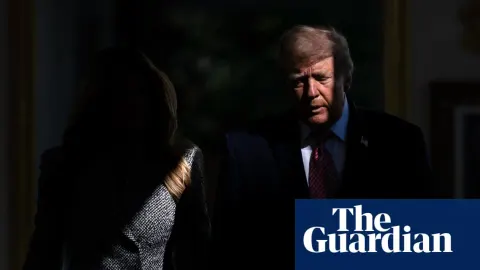
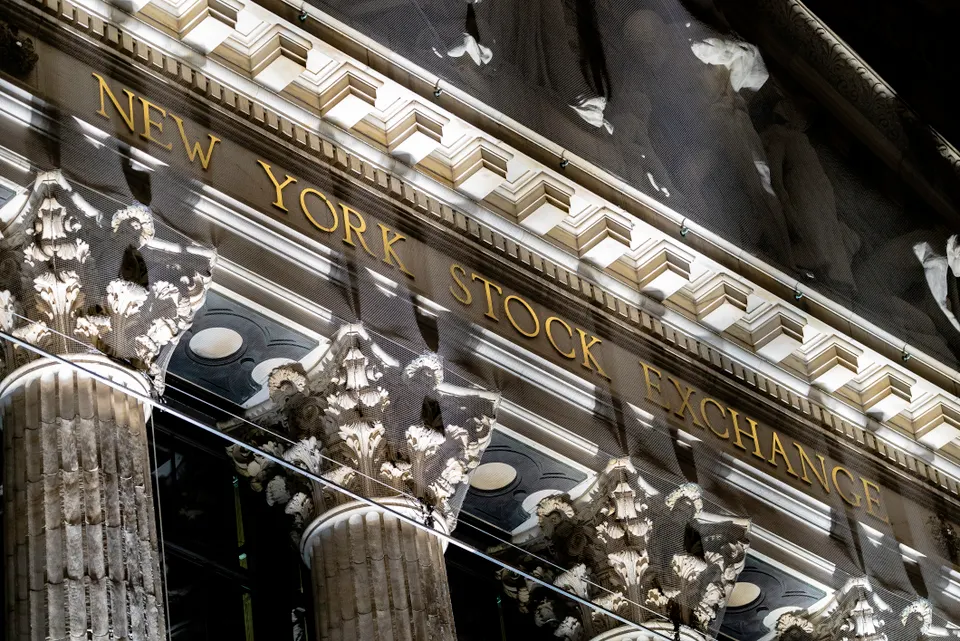
The U.S. stock market has entered the unofficial start of summer with major benchmarks sitting at record highs, fueled by a surprisingly resilient earnings season. However, analysts are warning that investors should brace for a "bumpy ride" in the months ahead. The primary concerns stem from the persistence of high interest rates and the potential for a hawkish Federal Reserve, especially with figures like Kevin Warsh being discussed for top roles. Investors are increasingly wary that current valuations leave little room for error, meaning any slight miss in corporate guidance or economic data could trigger a widespread sell-off across the S&P 500 and Nasdaq.
This global cautiousness is reflecting differently in the local Iranian market, where the focus has shifted from global inflation to domestic diplomatic breakthroughs. As of 17:00 Tehran time, the USD/IRR exchange rate has experienced a notable correction, moving from 176,100 to 171,900, representing a 2.4% decrease in just 24 hours. Similarly, the price of 18k gold per gram dropped from 19,204,487 to 18,758,714 (-2.3%), and the Emami coin fell sharply by 3.7% to 182,000,000 Toman. This cooling-off period suggests that the risk premium associated with geopolitical tension is being priced out as traders bet on a stabilization of the Rial.
The 'Victory' Narrative: Tehran Frames Diplomacy as Strategic Success
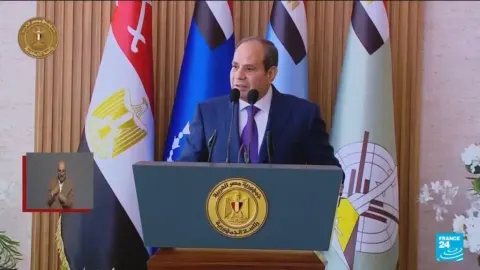
In the halls of power in Tehran, the rhetoric surrounding a potential deal with Washington has shifted toward a narrative of strategic triumph. Iranian leadership is increasingly projecting a sense of victory, suggesting that the nation's resilience under "maximum pressure" has finally forced Western powers to recognize Iran's regional influence. By framing a potential deal not as a compromise, but as a hard-won recognition of sovereignty, the administration aims to manage domestic expectations and maintain political leverage. This internal messaging is crucial as the market reacts to the possibility of sanctions relief and the reopening of the Strait of Hormuz.
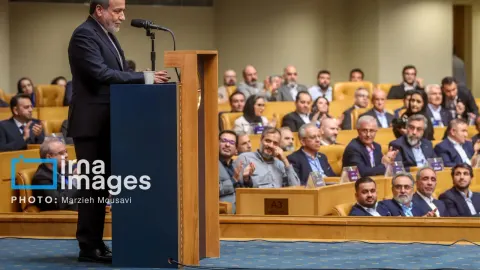
For the average citizen and market participant, this narrative translates into a wait-and-see approach that has temporarily halted the upward spiral of the Dollar. Deputy Foreign Minister Kazem Gharibabadi recently emphasized that any international agreement must be based on "equal sovereignty," signaling that Tehran will not accept "nuclear exceptionalism." This stance confirms that while a deal is being "largely negotiated," according to recent reports, the final hurdles involve deep-seated issues of international law that could still cause last-minute volatility. The market's current optimism is high, but it remains sensitive to any sign of a diplomatic stalemate.
Escalation in the East: Russia’s Hypersonic Strike on Kyiv
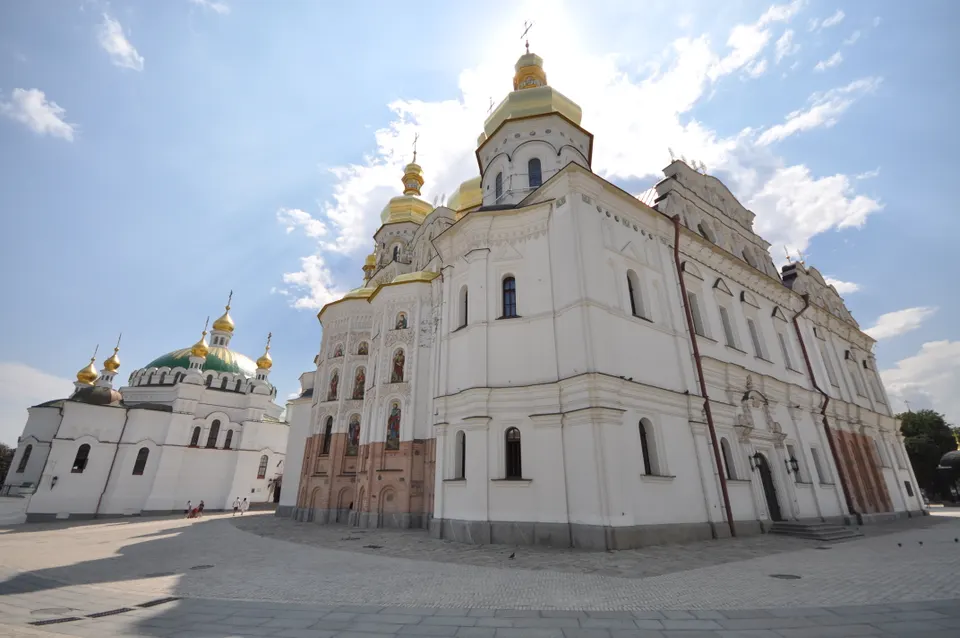
The geopolitical landscape remains fraught with danger as Russia launched a "deranged" hypersonic ballistic missile attack on the Ukrainian city of Bila Tserkva. This marks the third time the powerful Oreshnik missile has been used in the conflict, targeting critical water supply facilities and residential areas. President Volodymyr Zelenskyy has condemned the assault, which resulted in at least four deaths and dozens of injuries, as a sign of Moscow's increasing reliance on high-tech terror. The use of such advanced weaponry is a strategic message to the West regarding Russia's strike capabilities, adding a layer of extreme risk to global energy and commodity markets.
This escalation has immediate implications for global risk appetite. While the Toman is currently rallying on local peace hopes, a wider European conflict or a direct confrontation involving NATO powers could quickly reverse these gains by driving up global oil prices and strengthening the U.S. Dollar as a safe-haven asset. Investors are closely monitoring the situation in Kyiv, as the "Oreshnik factor" adds a new layer of unpredictability to the global security architecture, potentially complicating the very diplomatic efforts currently buoying the Iranian Rial. The contrast between Tehran's diplomatic optimism and Kyiv's kinetic escalation highlights the fragmented nature of global stability in 2026.
Diplomatic Balancing Acts and the End of the Season
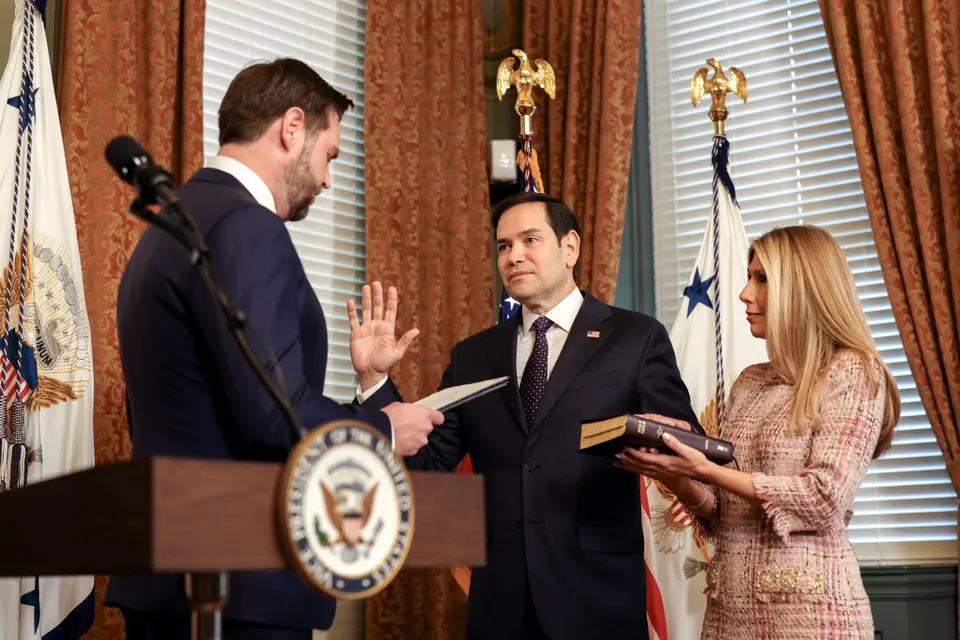
On the diplomatic front, Secretary of State Marco Rubio has been active in New Delhi, attempting to reassure Indian officials that U.S.-India ties remain strong despite friction over trade and immigration policies. The aggressive "America First" stance of the current administration has caused concern in Delhi, yet Rubio emphasized that the strategic partnership remains a cornerstone of Indo-Pacific security. This balancing act is mirrored in global trade, where nations are struggling to reconcile protectionist policies with the need for stable international cooperation. Such geopolitical maneuvering often dictates the long-term flow of capital, affecting everything from tech investments to emerging market currencies.
Finally, as the weekend draws to a close, cultural and sporting events provide a brief respite from the heavy news cycle. In the UK, the Premier League season concludes with Liverpool hosting Brentford, an event that draws millions of viewers worldwide. While seemingly disconnected from finance, these high-profile events often reflect the broader consumer sentiment and economic health of major economies. In Iran, the national taekwondo team's runner-up finish in the Asian Championships also provides a moment of national pride, even as the country navigates one of the most consequential diplomatic periods in its modern history.
Frequently Asked Questions
Why is the USD/IRR rate dropping so sharply today?
What is the 'Oreshnik' missile and why does it matter for markets?
Is the U.S. stock market expected to crash this summer?
Understanding the Geopolitical Risk Premium
The news headline highlights a critical concept in finance and economics: the Geopolitical Risk Premium. This term refers to the additional return investors demand for holding assets in a country or region perceived to have higher political instability or uncertainty. Conversely, it can also be seen as a discount applied to asset prices due to these risks. Essentially, it's the market's way of pricing in the potential for political events—ranging from conflicts and sanctions to peace deals and policy shifts—to negatively or positively impact investments.
When a significant geopolitical event, such as a potential "peace deal victory" between Iran and the U.S., is anticipated, the market's perception of risk can shift dramatically. In this scenario, the expectation of reduced sanctions and increased economic integration for Iran would likely lower the perceived geopolitical risk. This reduction in risk premium would make Iranian assets more attractive. For instance, the Iranian Rial (IRR) might strengthen against the U.S. Dollar as foreign currency inflows are expected to increase, leading to a drop in the USD/IRR exchange rate.
Furthermore, a decrease in geopolitical risk often reduces the demand for traditional safe-haven assets within the affected region. This explains the reported "Tehran gold price drop" and potential decline in the value of assets like the Emami coin. As confidence in the local economy and currency stability grows, investors are less inclined to hold physical gold or other alternative stores of value, instead seeking opportunities in more productive local investments. This shift in investor sentiment can also contribute to a rally in local stock markets, reflecting newfound optimism.
The ripple effect of such a significant shift in geopolitical risk perception is not confined to local markets. Global financial centers like Wall Street closely monitor these developments. While a peace deal might stabilize one region, it could introduce new variables into global commodity markets (e.g., oil supply if Iranian exports increase) or alter capital flows, potentially contributing to "summer volatility" as global investors re-evaluate their portfolios and risk exposures. Understanding the geopolitical risk premium is therefore crucial for grasping how political landscapes directly translate into financial market movements worldwide.
Topics
Related Articles