Trump’s Blockade Ultimatum: Toman Rallies as Lebanon’s Fate Hangs on US-Iran Deal
اولتیماتوم ترامپ و سقوط قیمتها در تهران: سرنوشت جنگ لبنان در گرو توافق بزرگ
As Tehran markets react to a 2.5% drop in USD rates, President Trump clarifies that the blockade on Iran remains in 'full force' despite claims of a nearly finished peace deal. Meanwhile, the fate of the conflict in Lebanon is increasingly tied to the outcome of these high-stakes negotiations between Washington and Tehran.
At time of publishing
USD
171,700
Toman
Gold 18K
18.75M
Toman / gram
Bitcoin
$76,377
US Dollar
Tether
171,999
Toman
The 'Full Force' Blockade vs. The 'Largely Negotiated' Deal
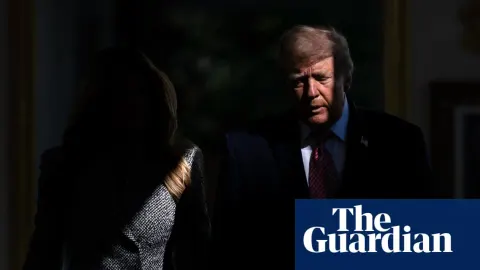
At 18:00 Tehran time, the geopolitical landscape remains a study in calculated contradictions. President Donald Trump has clarified his administration's stance, stating that the economic blockade on Iran will remain in "full force" until a final deal is physically signed and implemented. This comes less than 24 hours after his sensational claim that a peace deal was already "largely negotiated." The strategy appears to be one of maximum leverage, ensuring that Tehran remains under extreme economic duress even as the diplomatic finish line comes into view. This dual-track approach—promising peace while maintaining a chokehold—is designed to prevent any last-minute backtracking from the Iranian side.
For the average Iranian citizen and market participant, this creates a volatile environment of cautious optimism. The Toman has seen a significant rally today, with the USD selling price dropping from 176,100 to 171,700, a 2.5% decrease in just 24 hours. Gold prices followed suit, with the Emami coin shedding 3.7% of its value to settle at 182,000,000 Toman. Markets are betting heavily on the "negotiated" part of Trump’s rhetoric, effectively pricing in a de-escalation that has not yet been formalized. However, the insistence on the blockade's continuation serves as a reminder that the path to sanctions relief is still paved with significant political hurdles.
Lebanon’s Fate and the 'Outside Powers' Dynamic
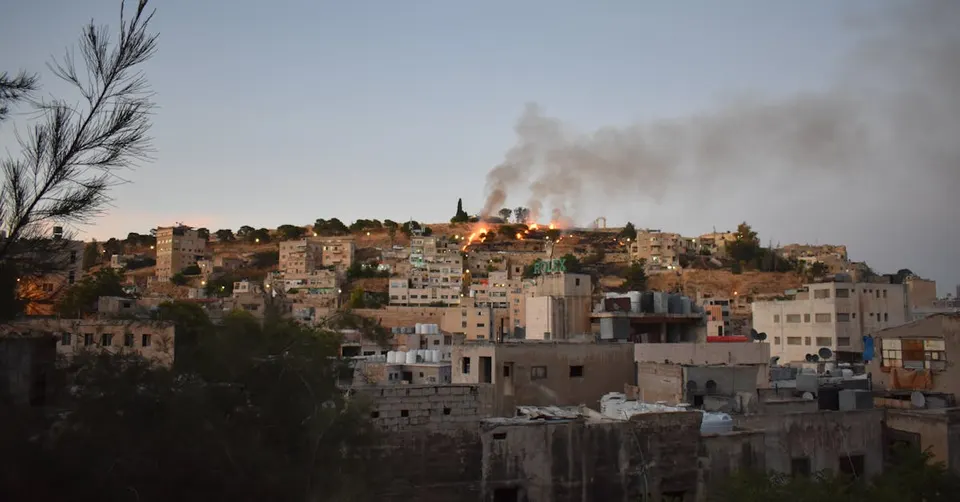
The conflict in Lebanon between Israel and Hezbollah has reached a critical juncture where local actors are no longer the primary deciders of their own fate. According to recent reports, the path to a ceasefire in Nabatieh and across southern Lebanon now rests almost entirely with the "outside powers"—specifically the United States and Iran. Analysts suggest that any US-Iran peace deal would necessitate a simultaneous cooling of the Lebanese front. The logic is simple: if Tehran reaches a grand bargain with Washington, its support for regional proxies like Hezbollah will be the primary bargaining chip. Conversely, Israel’s military movements are increasingly calibrated against the progress of the secret talks in the Gulf.
This shift in the war's center of gravity means that every diplomatic whisper in Washington or Tehran has an immediate kinetic impact on the ground in Lebanon. While the Lebanese Civil Defense reports the destruction of facilities in Nabatieh due to Israeli strikes, the broader strategic community is looking past the rubble toward the negotiating table. For Iran, the stakes involve maintaining its regional influence while securing the economic relief promised by the potential deal. The "victory" narrative being crafted in some circles suggests that a 60-day truce might be the first tangible fruit of this broader geopolitical realignment.
Maritime Reality: 33 Ships and the Strait of Hormuz Status
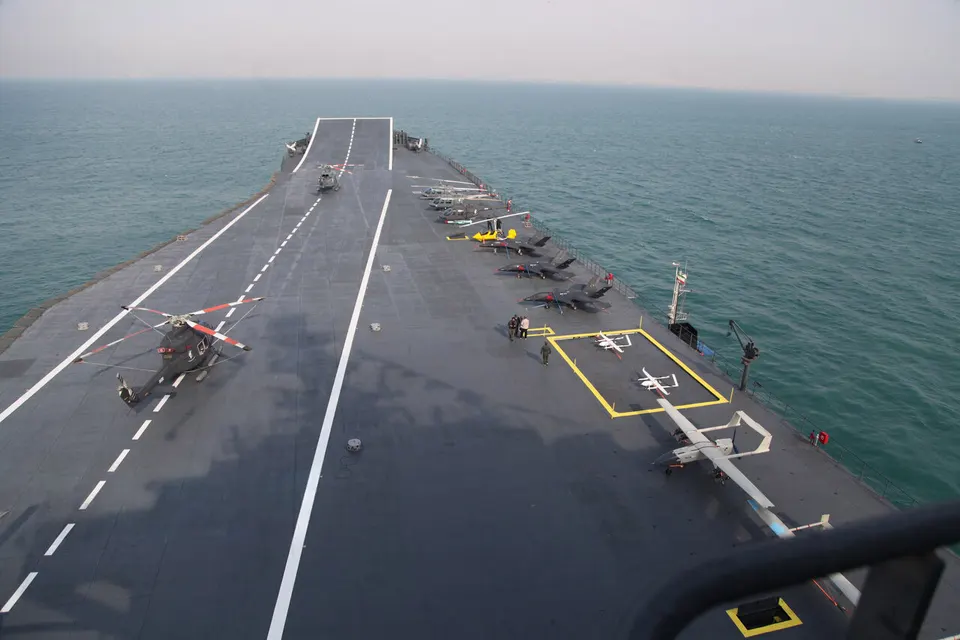
Amidst the high-level diplomatic posturing, the IRGC Navy has provided a window into the current operational reality of the world’s most sensitive maritime artery. Over the past 24 hours, 33 commercial vessels were permitted to transit the Strait of Hormuz in coordination with Iranian naval forces. This data point is crucial because it suggests a "managed tension" rather than an outright closure. By using the word "permitted," the IRGC asserts its sovereign control over the waterway, while the actual flow of 33 ships indicates that trade is continuing despite the broader "blockade" rhetoric coming from the White House.
This maritime stability is one of the key reasons global oil markets haven't spiked into the triple digits despite the regional turmoil. The coordination between merchant fleets and the IRGC Navy reflects a pragmatic understanding: neither side wants a total maritime shutdown that would trigger a global economic depression. However, the Deputy Speaker of the Iranian Parliament warned today that the "enemy" is still seeking to intensify economic pressure. This internal rhetoric serves as a defensive hedge, preparing the domestic audience for the possibility that the "largely negotiated" deal might still face sabotage from hardliners on either side of the Atlantic.
Market Analysis: The Peace Dividend Rally
The 24-hour price delta in Tehran is the most honest indicator of public sentiment. When the USD falls from 176,100 to 171,700, it represents more than just a currency fluctuation; it is a "peace dividend" rally. Investors who were hoarding gold and hard currency as a hedge against war are now liquidating those assets to capture profits before a potential deal further strengthens the Toman. The 3.7% drop in the Emami coin is particularly telling, as gold is traditionally the ultimate safe-haven asset in the Iranian economy. Its rapid decline suggests that the fear of imminent conflict is being replaced by the fear of missing out on a market recovery.
However, the global crypto market remains somewhat detached from these local geopolitical shifts. Bitcoin is currently trading at $76,377, showing resilience but not the explosive growth seen in the Toman's recovery. For Iranian crypto traders, the USDT/IRR rate of 171,999 remains the most critical bridge between local and global markets. As long as the "full force" blockade remains in place, the demand for stablecoins as a tool for cross-border trade will likely prevent the Toman-denominated price of USDT from falling as fast as the physical paper dollar in the streets of Ferdowsi.
Frequently Asked Questions
Why is the Toman rallying if Trump said the blockade remains in 'full force'?
How does the US-Iran deal affect the war in Lebanon?
What does the 33-ship transit in the Strait of Hormuz signify?
The Far-Reaching Impact of Economic Sanctions
Economic sanctions are punitive measures, often imposed by one or more countries or international bodies against another, with the primary goal of compelling a change in behavior, policy, or regime. Rather than resorting to military force, sanctions aim to inflict economic pain to achieve political objectives. They can be broad, targeting an entire economy, or highly specific, aimed at particular sectors, industries, individuals, or entities.
These measures operate through various mechanisms. Common types include trade embargoes, which restrict imports and exports; financial restrictions, such as freezing assets, limiting access to international banking systems, or preventing foreign investment; and travel bans on key officials. A particularly potent form is "secondary sanctions," where third-party entities that continue to engage in business with the sanctioned country can also face penalties, significantly amplifying the reach and coercive power of the sanctions.
The economic consequences for the targeted country are often severe. Sanctions can lead to sharp currency depreciation—as seen with the Iranian Toman (IRR) in response to tightening restrictions—hyperinflation, shortages of essential goods, reduced foreign direct investment, and overall economic contraction. This often translates into significant hardship for the general population, eroding purchasing power and potentially fueling social unrest and instability.
Beyond the immediate target, economic sanctions have profound geopolitical and regional ripple effects. They can disrupt global supply chains, force countries to seek alternative trade partners, and alter established trade routes, such as those through the Strait of Hormuz, if shipping is impacted. The fate of neighboring countries or regional stability can become intertwined with the effectiveness or lifting of sanctions, demonstrating how these economic tools become central to complex international diplomacy and regional power dynamics.
Topics
Related Articles