Toman Rallies as Trump Signals Hormuz Breakthrough; Tech Markets Brace for Memorial Day Shifts
جهش ریال در پی سیگنالهای ترامپ برای بازگشایی هرمز؛ تخفیفهای ویژه اپل در آستانه تعطیلات آمریکا
The Iranian Toman has strengthened by over 2% as reports emerge of an 'agreement in principle' to reopen the Strait of Hormuz. Meanwhile, Apple triggers a tech frenzy with significant MacBook discounts ahead of the US Memorial Day weekend.
At time of publishing
USD
172,400
Toman
Gold 18K
18.82M
Toman / gram
Bitcoin
$76,380
US Dollar
Tether
171,328
Toman
Apple’s Memorial Day Discounts and the Iranian Tech Ripple
As the United States approaches the Memorial Day holiday, major retailers like Amazon have slashed prices on flagship technology, most notably Apple’s latest MacBook Air. The M5-equipped laptops are currently seeing a $200 price reduction, a move that typically signals a clearing of inventory before seasonal refreshes. While this might seem like a localized US retail event, its impact resonates deeply in the Iranian 'gray market' where tech prices are hyper-sensitive to global MSRP shifts and currency fluctuations. For Iranian professionals and students, these discounts, combined with the current strengthening of the Toman, represent a rare window of increased purchasing power for high-end hardware.
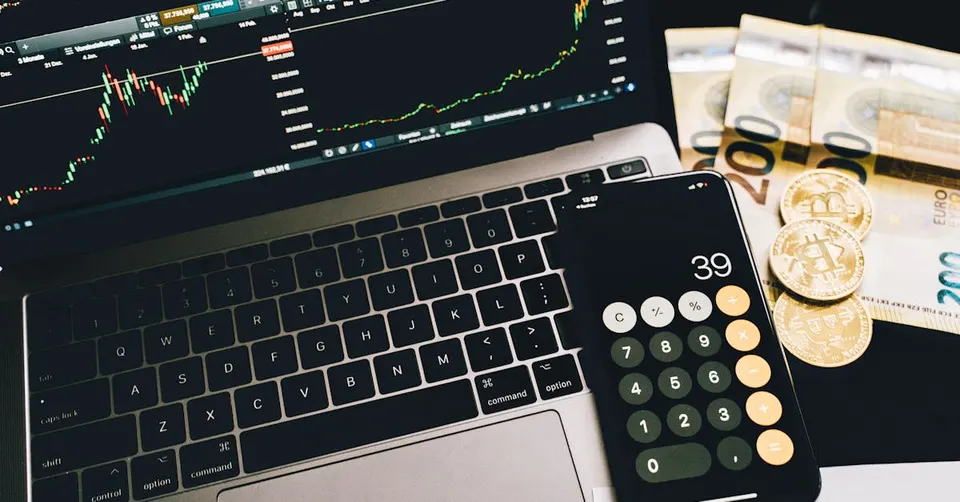
The broader tech landscape is currently navigating a complex intersection of high demand and shifting logistics. As supply chains stabilize following the regional tensions of early 2026, these price cuts suggest that tech giants are eager to maintain momentum. For the Iranian consumer, the cost of imported electronics is a primary indicator of economic sentiment; when global prices drop and the local currency gains ground, it often leads to a temporary surge in domestic retail activity, providing a much-needed boost to the local IT sector which has struggled under the weight of high import costs.
The Hormuz Breakthrough: Markets React to Peace Signals
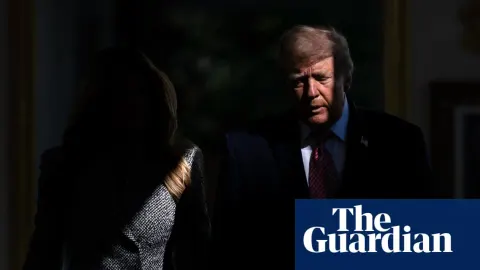
Geopolitical tensions in the Persian Gulf appear to be reaching a critical turning point as US officials suggest an agreement in principle has been reached to reopen the Strait of Hormuz. President Trump has characterized the current relationship with Tehran as becoming "more professional and productive," though he remains firm on the condition that Iran must not develop nuclear weapons. This diplomatic thaw is a massive departure from the aggressive rhetoric seen earlier this year and has immediately translated into market confidence. The Iranian Toman has responded sharply to these developments, with the USD selling rate moving from 176,100 to 172,400 Toman, marking a significant 2.1% appreciation in just 24 hours.
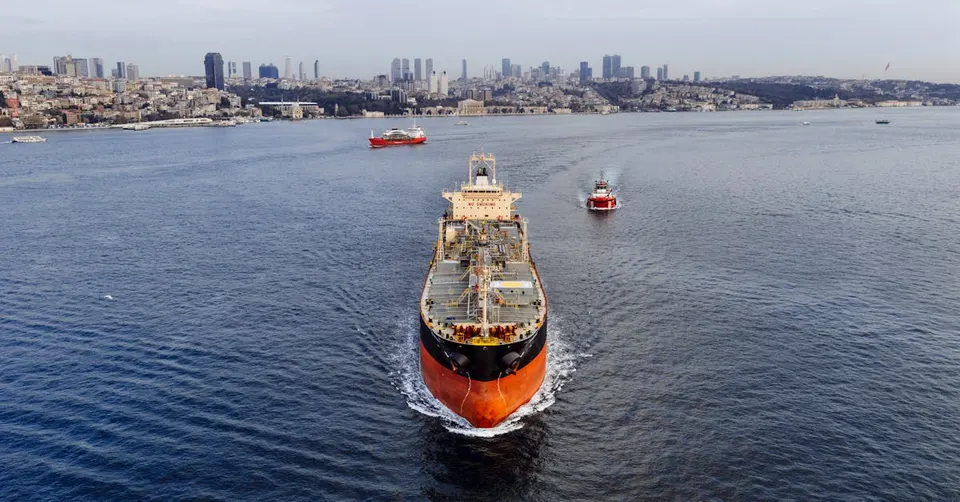
However, the path to a finalized peace deal remains fraught with domestic political challenges in both nations. In Washington, Republican hawks have warned that a 'rushed' deal could be a disastrous mistake, urging the administration to maintain leverage. In Tehran, the market's reaction—including a 3.7% drop in the price of the Emami gold coin—reflects a desperate hope for sanctions relief and the restoration of oil export routes. The reopening of the Strait would not only stabilize the Iranian economy but also alleviate the global energy pressures that have plagued Europe and Asia since the escalations in February.
Energy Shifts: Europe’s Pivot to Heat Pumps Amid Shortages
While the Middle East eyes a potential de-escalation, Europe is still grappling with the long-term consequences of the energy shortages sparked by the February conflicts. Data shows a massive surge in heat pump sales across the continent as consumers abandon gas-reliant heating systems. This shift is a direct response to the volatility of global energy markets, which were thrown into chaos following the US-Israeli strikes on Iranian infrastructure earlier this year. For European households, the move toward electrification is no longer just a green initiative; it is a matter of economic survival and energy security in an increasingly unpredictable geopolitical environment.
This energy transition has secondary effects on the Iranian economy as well. As Europe reduces its reliance on natural gas, the long-term value proposition of Iran’s massive gas reserves may shift. If a peace deal is finalized, Iran will enter a global market that is significantly more focused on renewables and efficiency than it was five years ago. This means that any 'victory' in reopening trade routes must be accompanied by a strategic pivot in how Iran manages its energy exports, moving beyond crude sales toward more integrated energy partnerships that can withstand the global shift toward decarbonization.
Legal Crisis in the UK: A Systemic 'Horror Show'
Away from the high-stakes diplomacy of the Middle East, the United Kingdom is facing a domestic crisis within its judicial system. Reports indicate that arrest warrants for defendants skipping court have surged by 50% since 2020, with nearly 60,000 warrants issued in the last year alone. Former Justice Secretary Alex Chalk has described the situation as a "horror show," pointing to a system that is struggling to maintain order. While this may seem distant from Tehran, it highlights a growing trend of institutional strain across Western democracies, which can affect everything from international legal cooperation to the stability of global financial hubs like London.
Frequently Asked Questions
Why is the Toman rallying despite no signed peace deal yet?
How does the MacBook discount in the US affect prices in Iran?
What are the main obstacles remaining for the Iran-US peace deal?
Why are heat pump sales in Europe relevant to the Iranian economy?
Geopolitical Risk and Currency Valuation
The news of the Toman rallying on signals of a "Hormuz breakthrough" and potential "Iran-US peace deal" highlights a crucial economic concept: Geopolitical Risk and Currency Valuation. Geopolitical risk refers to the uncertainty and potential instability arising from international political events, conflicts, or policy changes that can significantly impact global markets and individual economies. For nations heavily integrated into global trade or those facing international sanctions, these risks can be particularly acute, directly influencing investor confidence and, consequently, the value of their national currency.
When geopolitical tensions are high, as they often have been concerning the Strait of Hormuz (a critical chokepoint for global oil shipments) and Iran's international relations, investors typically perceive higher risk in that region's economy. This heightened risk can lead to capital flight, reduced foreign investment, and increased demand for more stable foreign currencies (like the USD) among domestic savers, all of which put downward pressure on the local currency. Furthermore, the threat or imposition of sanctions can restrict trade, limit access to international financial systems, and reduce export revenues, further weakening the currency.
Conversely, signals of de-escalation, such as a potential "Hormuz breakthrough" or an "Iran-US peace deal," are interpreted by markets as a reduction in geopolitical risk. This optimism can lead to an increase in confidence, encouraging potential foreign investment and reducing the incentive for capital flight. For the Toman, such news suggests a possible easing of sanctions, improved trade prospects, and greater stability, which can prompt a rally as market participants anticipate a stronger economic outlook and increased demand for the local currency. This immediate market reaction to signals rather than confirmed events underscores how expectations about future geopolitical stability play a pivotal role in currency valuation.
Topics
Related Articles