Lebanon Strikes Test Peace Hopes as Toman Rallies on 'Negotiated' Deal Rumors
تداوم تنش در لبنان همزمان با رالی ریال؛ ابهام در توافق «تقریباً نهایی» ترامپ
Despite reports of a 'largely negotiated' peace deal, Israeli strikes in Lebanon have intensified, creating a complex backdrop for Tehran's rallying markets. As the USD drops to 172,400 Toman, the gap between diplomatic optimism and military reality remains the primary driver of volatility.
At time of publishing
USD
172,400
Toman
Gold 18K
18.82M
Toman / gram
Bitcoin
$76,552
US Dollar
Tether
171,725
Toman
The Fog of War and the Toman's Rally
As of 20:00 Tehran time, the Iranian markets are witnessing a significant relief rally, primarily driven by the narrative of a potential breakthrough in US-Iran relations. The US Dollar has moved from 176,100 to 172,400 Toman, marking a 2.1% decrease in 24 hours. This shift comes as President Trump claims a peace deal involving the reopening of the Strait of Hormuz is "largely negotiated." However, the ground reality in Lebanon tells a more violent story. Israeli strikes have continued to pound southern and eastern Lebanon, following a devastating raid that killed 11 people, including women and children. This juxtaposition of high-level diplomatic optimism and escalating regional violence creates a precarious environment for investors who are betting on a permanent de-escalation.
For the average Iranian reader, this rally provides a temporary sense of purchasing power recovery, but the sustainability of these gains is under scrutiny. The Emami gold coin has seen an even sharper decline, falling from 189,000,000 to 183,000,000 Toman (-3.2%). This suggests that the "risk premium"—the extra cost Iranians pay for assets due to the threat of war—is being priced out rapidly. Yet, if the strikes in Lebanon trigger a wider response or if the ceasefire fully collapses, the market could see a sharp reversal, as the geopolitical foundations of the current Toman strength are still built on verbal promises rather than signed treaties.
Nuclear Leverage and the 'No Rush' Strategy
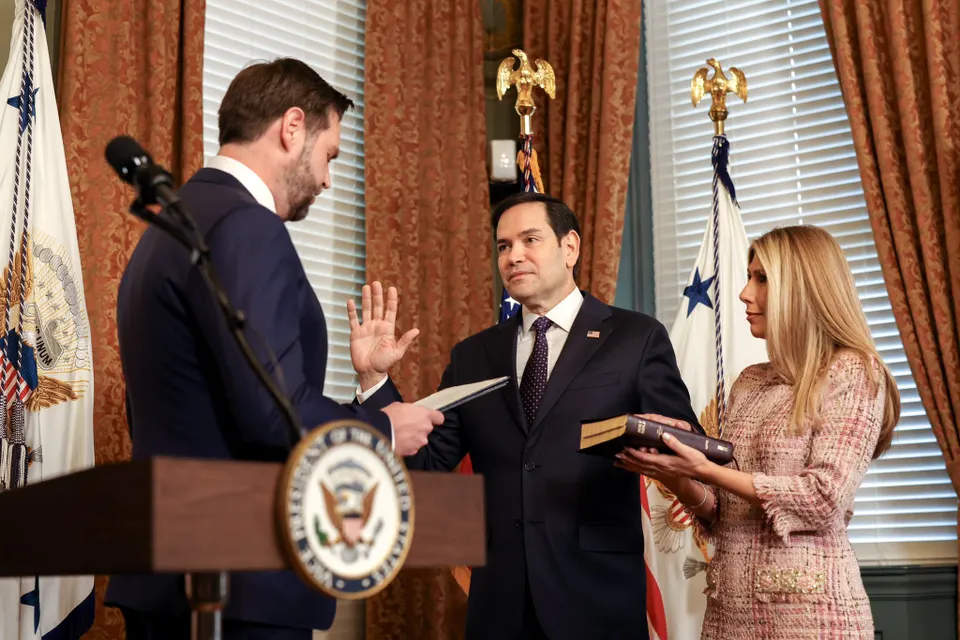
While the market celebrates the potential reopening of the Strait of Hormuz, Secretary of State Marco Rubio has clarified that the details regarding Iran's nuclear program are still very much on the table. Rubio noted that the United States is prepared to enter formal negotiations only if the maritime blockade is lifted, signaling that the Trump administration is using economic relief as a carrot to secure long-term nuclear concessions. This "peace through strength" approach was echoed by Trump himself, who posted that the U.S. will not "rush" into an agreement. He emphasized that while the relationship is becoming more "professional," the red line remains the total prevention of a nuclear-armed Iran.
This deliberate pacing by Washington serves two purposes: it maintains pressure on Tehran to make the first move in the Hormuz corridor while keeping the Iranian economy in a state of expectant suspense. The 2.0% drop in 18k gold prices (now at 18,823,814 Toman per gram) reflects this suspense. Traders are hesitant to hold physical gold when a major diplomatic breakthrough seems imminent, yet the "no rush" rhetoric from the White House suggests that the path to a comprehensive deal—and the lifting of primary sanctions—will be a marathon, not a sprint. The market is currently pricing in the hope of a deal, but it has yet to price in the details of a nuclear compromise.
Regional Diplomacy and the Omani Messenger
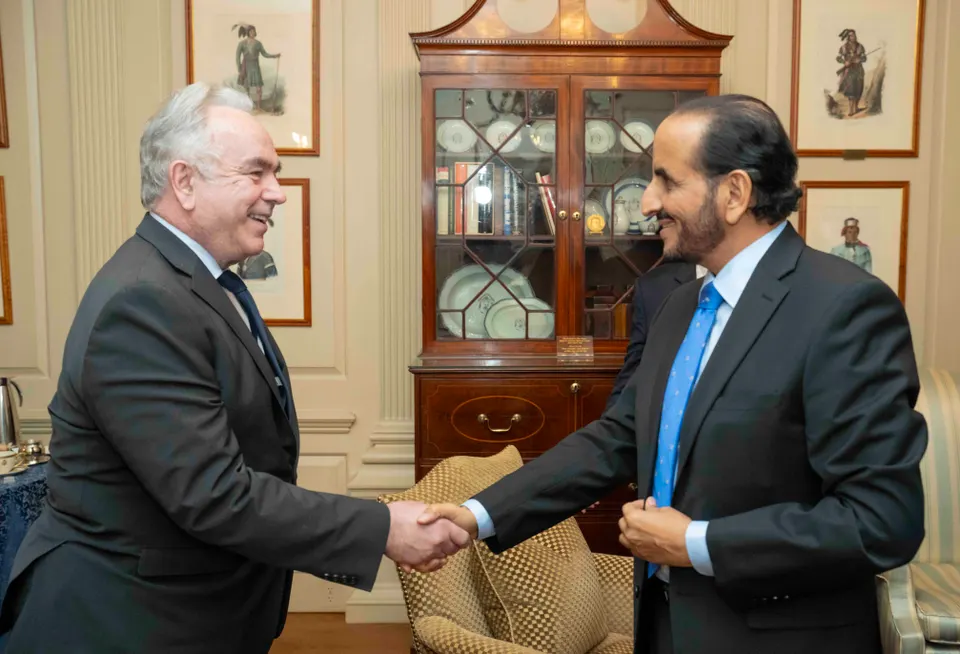
In the midst of these high-stakes signals from Washington, Tehran is intensifying its own regional diplomacy. Deputy Foreign Minister Kazem Gharibabadi traveled to Muscat to deliver a message from Foreign Minister Abbas Araghchi to his Omani counterpart. Oman has historically served as the primary backchannel for US-Iran communications, and this visit suggests that the technical work of the "negotiated deal" mentioned by Trump is being handled through these trusted intermediaries. Gharibabadi’s focus on international law and the situation in Gaza highlights that Iran is attempting to frame any potential deal within a broader regional framework, rather than a narrow bilateral surrender.
Simultaneously, Iran’s condemnation of the terrorist attack on Pakistan’s Quetta railway underscores its desire to appear as a pillar of regional stability. By positioning itself as a victim and opponent of terrorism, Tehran is attempting to bolster its diplomatic standing as it prepares for the "gargantuan task" of negotiating with a second Trump term. For the Iranian public, these diplomatic maneuvers are the invisible gears behind the currency fluctuations. The success of the Omani backchannel is arguably more important for the Toman’s long-term stability than any single social media post from the White House. If Muscat can bridge the gap between Rubio’s nuclear demands and Tehran’s economic requirements, the current rally might transition from a speculative spike into a structural recovery.
Global Risk: The Oreshnik Factor
While the Middle East dominates the local narrative, global risk appetite is being suppressed by developments in Eastern Europe. Russia has launched an Oreshnik intermediate-range ballistic missile at Kyiv for only the third time in the war, signaling a significant escalation in its tactical approach. Such events typically drive investors toward safe-haven assets like gold and Bitcoin. Bitcoin is currently holding at $76,552, while global gold stands at a staggering $4,510.50 per ounce. This global surge in gold prices creates a unique divergence for Iranian investors; while the global price is high, the local price is falling due to the Toman's 2.1% appreciation against the dollar.
This divergence creates a complex arbitrage situation. If the Ukraine conflict escalates further, the global gold price could continue its ascent, eventually making it too expensive for the Toman’s rally to suppress. For now, the "Trump Peace" narrative in the Middle East is outweighing the "Oreshnik Escalation" in Europe for Tehran traders. However, the interconnected nature of global energy markets means that any disruption in Ukraine or further sanctions on Russia could indirectly impact Iran's oil export revenues and its bargaining power in the ongoing nuclear talks. Investors should remain wary of the fact that the Toman is currently trading in a geopolitical vacuum that ignores the worsening situation in the North.
Frequently Asked Questions
Why is the Toman rallying despite the ongoing strikes in Lebanon?
What are the specific conditions Marco Rubio set for nuclear talks?
How is the Oreshnik missile attack in Ukraine affecting Iranian gold prices?
Is the current drop in USD/IRR sustainable?
Geopolitical Risk and Currency Valuation
Geopolitical risk refers to the potential for political events, conflicts, or international tensions to disrupt the normal course of economic activity. For nations like Iran, which are frequently at the center of complex international relations and subject to economic sanctions, geopolitical developments are paramount drivers of their currency's value. Rumors of a "negotiated deal," as mentioned in the headline, can trigger significant shifts in market sentiment, leading to rapid appreciation or depreciation of the local currency, such as the Iranian Toman.
Economic sanctions, a primary tool of geopolitical pressure, directly impact a country's currency by restricting its ability to engage in international trade, access global financial markets, and attract foreign investment. This scarcity of foreign currency (like USD) within the domestic economy can lead to a depreciation of the local currency, as demand for hard currency outstrips supply. Conversely, any credible sign of sanctions relief or improved diplomatic relations can inject optimism, encouraging capital inflows and reducing the perceived risk, thereby strengthening the currency.
The market's reaction to such news is often driven by speculation. Traders and investors, anticipating future changes in economic conditions or policy, will buy or sell the currency accordingly. If a "negotiated deal" is perceived to alleviate sanctions or open up new trade avenues, market participants might anticipate increased foreign currency inflows or reduced inflation, leading them to buy the local currency (Toman), causing it to rally. This immediate reaction reflects the market's forward-looking nature, pricing in expected future conditions even before they materialize.
Understanding this dynamic is crucial for anyone monitoring economies under geopolitical stress. The value of a currency like the Toman is not solely determined by traditional economic fundamentals but is profoundly influenced by the ebb and flow of international diplomacy, the imposition or lifting of sanctions, and the prevailing geopolitical climate. These external factors can often override domestic economic indicators, making the currency highly volatile and sensitive to political pronouncements and rumors.
Topics
Related Articles