Trump’s ‘No Rush’ Warning Tests Toman Rally as Hormuz Deal Faces Republican Pushback
هشدار ترامپ برای «عجله نکردن» در توافق با ایران؛ ریزش قیمتها در بازار تهران علیرغم فشارهای سیاسی
President Trump has signaled a more cautious approach to the pending Iran deal, telling negotiators not to rush despite reports of a 60-day ceasefire. Meanwhile, the Toman continues to rally as markets price in a potential reopening of the Strait of Hormuz.
At time of publishing
USD
174,100
Toman
Gold 18K
19.05M
Toman / gram
Bitcoin
$76,558
US Dollar
Tether
173,100
Toman
The 'No Rush' Pivot: Trump Manages Expectations
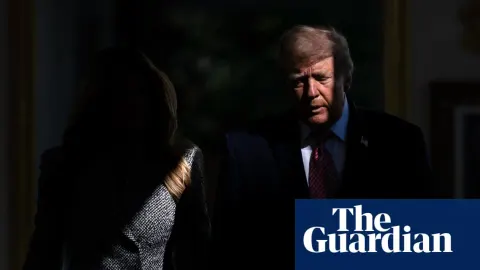
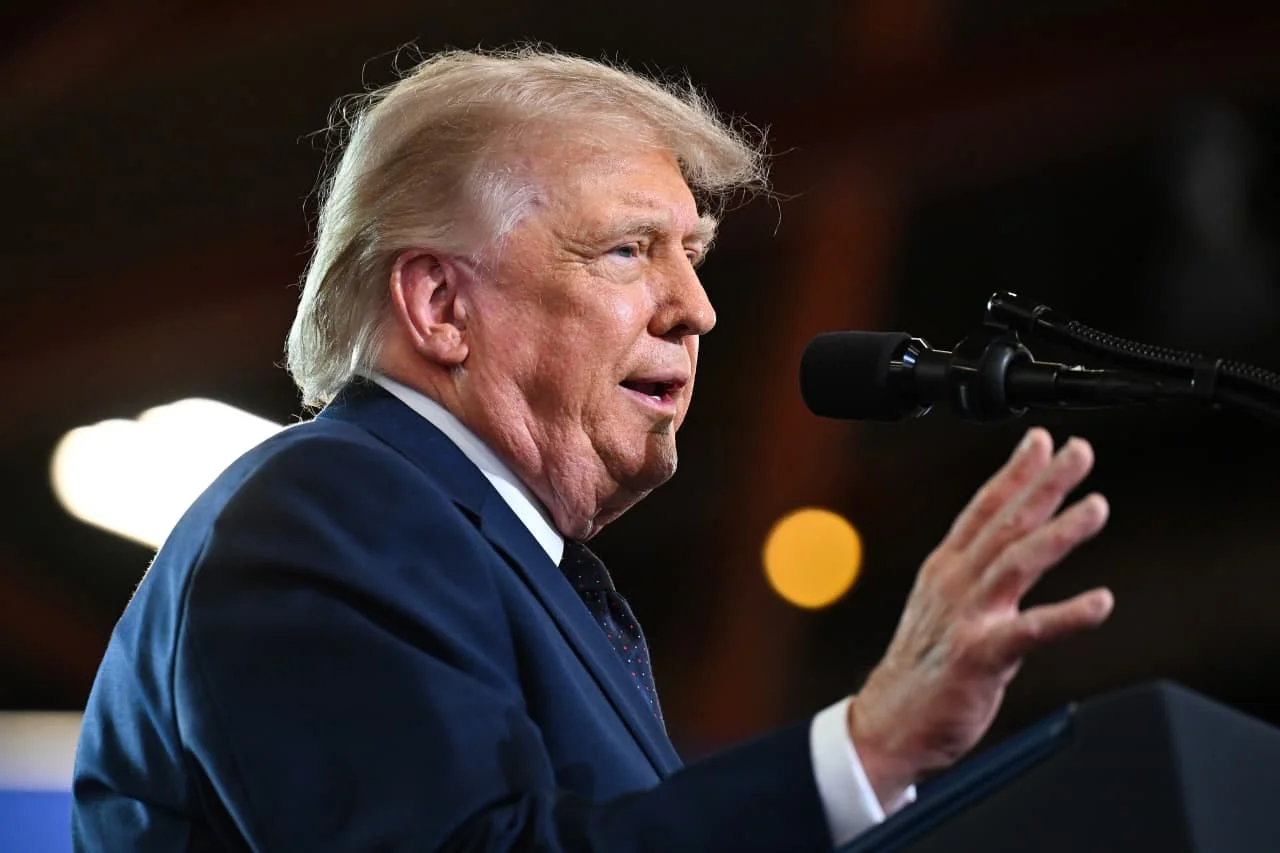
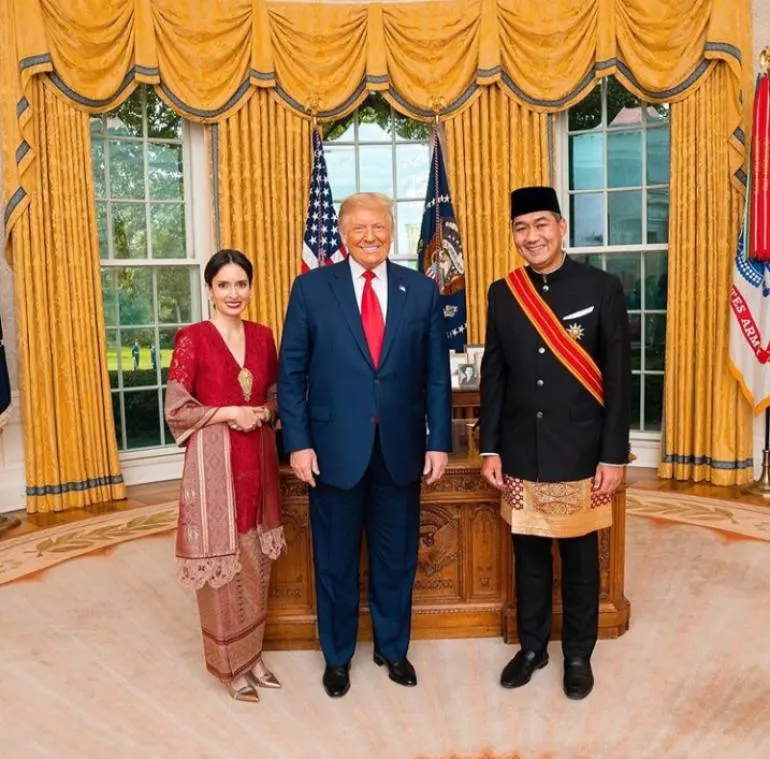
President Donald Trump has injected a fresh dose of caution into the diplomatic frenzy surrounding a potential deal with Iran. On Sunday night, Trump instructed U.S. negotiators not to rush into an agreement, even as reports suggest a framework for a 60-day ceasefire and the reopening of the strategic Strait of Hormuz is largely in place. This shift in tone appears to be a strategic move to address mounting domestic pressure. Republican hawks, including heavyweights like Ted Cruz and Lindsey Graham, have characterized the potential deal as a "disastrous mistake," arguing that it fails to sufficiently degrade Tehran's long-term capabilities.
By publicly stating that he is in no hurry, Trump is attempting to reclaim leverage at the final hour. He emphasized that any deal must be "good and proper," responding to criticisms that his administration might be sacrificing long-term security for a short-term economic win. This 'art of the deal' posturing is designed to signal to both Tehran and his domestic critics that the U.S. will not be forced into a weak agreement by the ticking clock of the global energy crisis. However, the underlying pressure to stabilize oil routes remains the primary driver behind the scenes.
The Israeli Red Line and Nuclear Alignment
Parallel to the U.S. negotiations, a critical alignment has emerged between Washington and Tel Aviv. Following high-level discussions, Israeli leaders announced that they and Trump are in full agreement on the necessity of blocking an Iranian nuclear weapon. This consensus suggests that any deal involving the reopening of the Strait of Hormuz will likely include stringent, non-negotiable clauses regarding nuclear enrichment and missile development. Analysts suggest that Israel’s primary concern is that a temporary truce might provide Iran with the economic breathing room to advance its strategic programs in secret.
This geopolitical coordination adds a layer of complexity to the 60-day ceasefire proposal. If the U.S. insists on the "degradation of nuclear capabilities" as a prerequisite for the Hormuz reopening, the negotiations could hit a significant roadblock. The Iranian side has already signaled that some U.S. demands are obstructing the progress of the agreement. This tension between the immediate need for maritime security and the long-term goal of nuclear containment is currently the main point of friction in the closed-door sessions.
Tehran Market Analysis: Pricing in the Peace
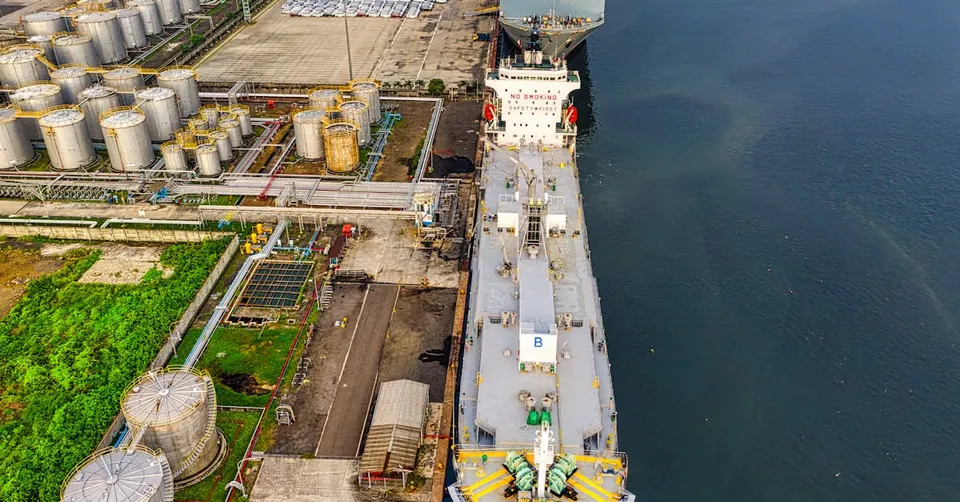
Despite the "no rush" rhetoric coming from the White House, the markets in Tehran are behaving as if a deal is a foregone conclusion. Over the last 24 hours, the USD/IRR rate has shifted from 176,100 down to 174,100, a decrease of 1.1%. This downward trend reflects a growing confidence among local traders that the diplomatic stalemate is finally breaking. The most significant movement was seen in the gold market, where the Emami coin dropped by 2.1%, falling from 189,000,000 to 185,000,000 Toman.
This decoupling of market behavior from political rhetoric suggests that investors are looking past Trump’s public warnings. For the average Iranian consumer, the strengthening of the Toman provides a rare moment of psychological relief, though the volatility remains high. If the 60-day ceasefire is officially signed, analysts expect a further sharp correction in the price of hard assets as the "war premium" evaporates. However, if Trump’s "no rush" stance turns into a genuine stalemate, the market could see a violent reversal of these recent gains.
Global Health Alert: Ebola Crisis Deepens in Congo
While the world's eyes are fixed on the Middle East, a humanitarian crisis is escalating in the Democratic Republic of Congo. Suspected Ebola cases have now surpassed 900, with over 119 deaths reported by the Congolese Ministry of Communication. Health workers on the ground are facing a perfect storm of challenges, including direct attacks on medical facilities and significant cuts to international aid budgets. The World Health Organization has classified the risk within the region as "very high," even as the global threat remains low for now.
The situation in the DRC is a grim reminder of how geopolitical instability and economic shifts can derail public health efforts. Aid cuts, often a secondary effect of shifting global priorities toward conflict zones like the Middle East or Ukraine, have left Congolese health workers without the necessary resources to contain the outbreak. As the number of cases climbs, the international community faces increasing pressure to restore funding before the virus spreads beyond the country's borders, potentially creating a new global health emergency.

Frequently Asked Questions
Why did Trump tell negotiators 'not to rush' despite a deal being close?
How has the Iranian Toman reacted to the news of a potential 60-day ceasefire?
What is the significance of the 60-day ceasefire mentioned in reports?
What are the main obstacles to the US-Iran deal right now?
Geopolitical Risk and Currency Volatility
Geopolitical risk refers to the potential for political events, international tensions, or conflicts to disrupt global stability and impact financial markets. These risks can stem from a wide array of sources, including diplomatic disputes, trade wars, military conflicts, or significant policy shifts in major nations. For countries with economies heavily integrated into global trade or those under international scrutiny, geopolitical developments can exert a profound influence on their domestic financial landscape, particularly on the value of their national currency. The uncertainty generated by such events often leads investors to reassess risk, shifting capital in ways that can cause significant market fluctuations.
In the context of Iran, the interplay between geopolitical events and currency volatility is particularly pronounced. Discussions surrounding international agreements, such as the Iran nuclear deal (JCPOA), or threats to vital trade arteries like the Strait of Hormuz, directly influence the perceived stability of the Iranian economy. When political rhetoric intensifies, or when there is "pushback" against a deal, as mentioned in the headline, it signals increased risk. This heightened risk perception can trigger a flight of capital, reduce foreign investment, and lead to speculative selling of the Iranian Toman (or Rial), thereby depreciating its value against major currencies like the U.S. dollar. Conversely, periods of de-escalation or diplomatic progress can instill confidence, potentially leading to a "rally" in the Toman.
The mechanism behind this volatility is largely driven by investor sentiment and economic fundamentals. Geopolitical instability can disrupt supply chains, impact oil revenues (a crucial income source for Iran), and increase the cost of doing business, all of which weaken the underlying economic strength supporting the currency. Furthermore, the fear of new sanctions or the continuation of existing ones can limit access to international financial systems, making it harder for businesses to conduct trade and for the central bank to manage currency reserves. In such uncertain times, domestic investors often seek safe-haven assets, such as gold or foreign currencies, further contributing to the depreciation of the local currency and price drops in assets like the Emami coin, as seen in the Tehran gold market.
Understanding this dynamic is crucial for interpreting market movements in regions prone to geopolitical tensions. It highlights how political statements, international negotiations, and regional conflicts are not merely abstract diplomatic issues but have tangible, immediate effects on exchange rates, inflation, and the economic well-being of citizens.
Topics
Related Articles