Peace Within Reach? Oil Prices Slump as US-Iran Deal Nears 'Solid' Status and Hormuz Reopens
صلح در دسترس؟ ریزش قیمت نفت همزمان با نزدیک شدن به توافق «محکم» ایران و آمریکا و بازگشایی هرمز
Secretary of State Marco Rubio describes the emerging US-Iran peace deal as 'pretty solid,' sparking a global oil price decline. As the Strait of Hormuz begins to see regular tanker traffic again, markets are pricing in a major geopolitical de-escalation.
At time of publishing
USD
174,100
Toman
Gold 18K
19.05M
Toman / gram
Bitcoin
$77,154
US Dollar
Tether
174,999
Toman
The 'Solid' Path to De-escalation
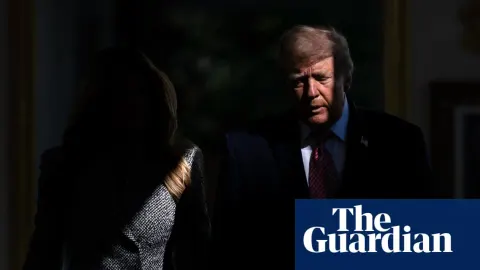
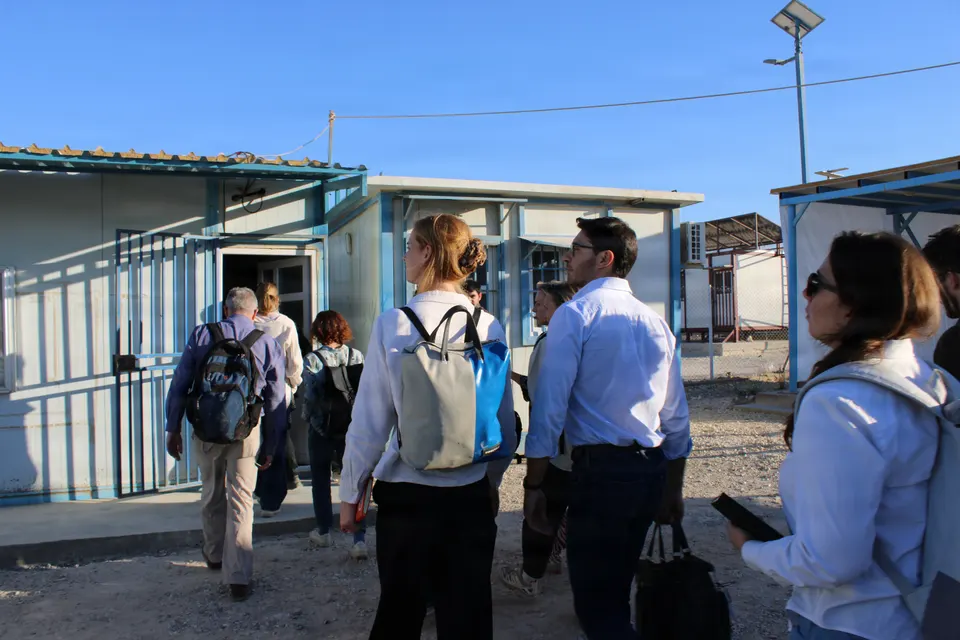
The diplomatic atmosphere in Tehran and Washington has shifted dramatically as of Monday morning. Secretary of State Marco Rubio has characterized the ongoing negotiations for a comprehensive peace deal between the United States and Iran as "pretty solid," suggesting that a formal agreement could materialize as early as today. This optimism follows comments from President Donald Trump, who noted that talks are proceeding constructively despite significant friction from hardliners within his own party. The core of the deal, according to high-ranking officials, involves Iran disposing of its highly enriched uranium and the permanent reopening of the Strait of Hormuz in exchange for a sweeping rollback of economic sanctions.
However, the road to peace remains blood-stained. Even as diplomats talk, the human cost of the regional conflict continues to mount. Reports from southern Lebanon confirm the death of an Israeli soldier from the 601st Combat Engineering Battalion, bringing the total number of Israeli troops killed in the war with Iran-backed Hezbollah to 23. This juxtaposition of high-level diplomacy and active combat highlights the fragility of the current ceasefire. For the Iranian reader, the stakes could not be higher; the transition from a wartime footing to a signed peace treaty represents the difference between continued economic isolation and a potential flood of foreign investment.
, Public domain]
Energy Markets Breathe as Hormuz Reopens
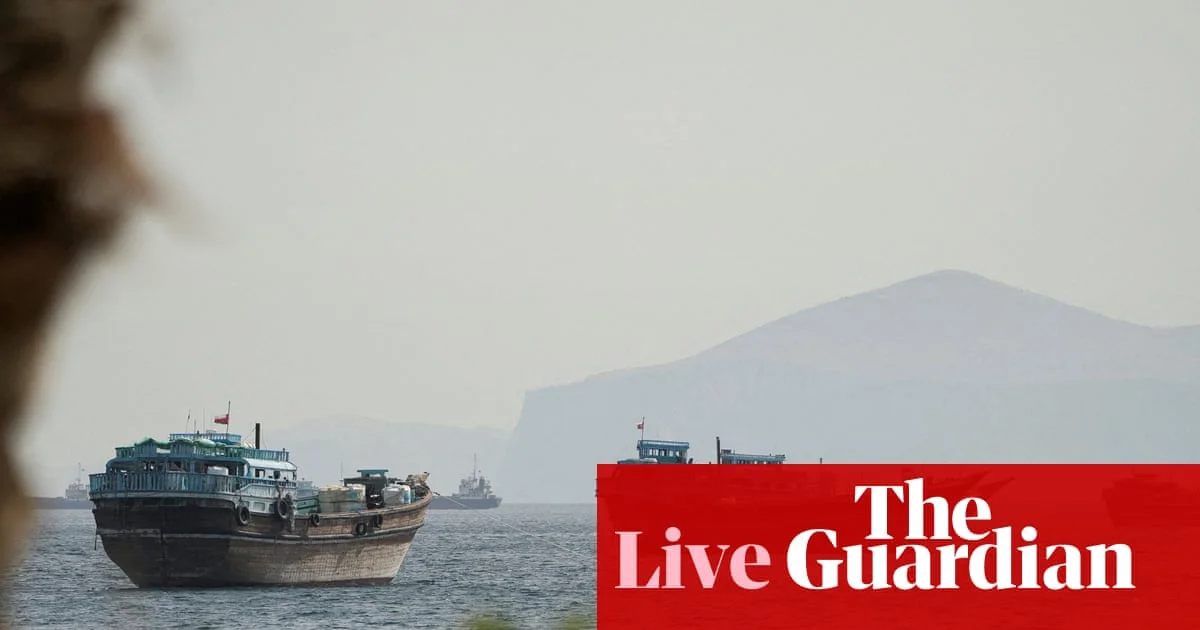
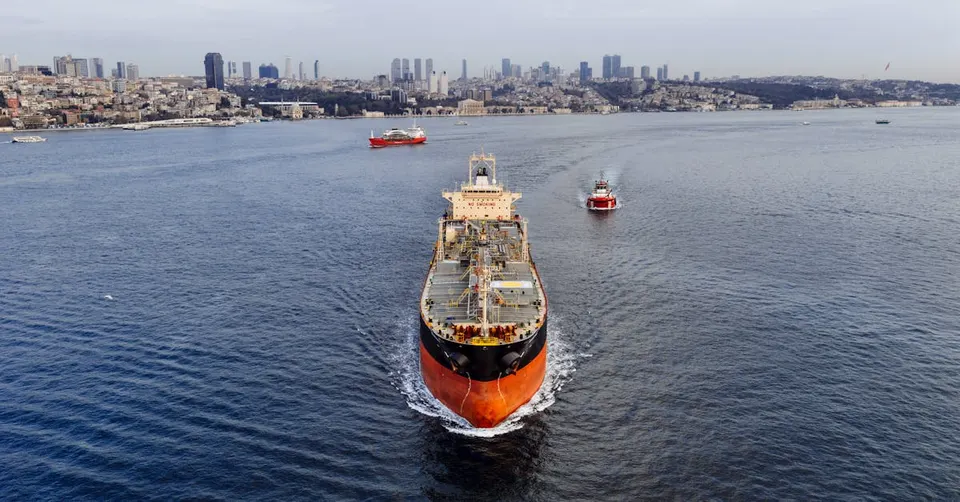
Global energy markets are already reacting to the scent of stability. Oil prices have begun a steady decline as traders price in the return of Iranian barrels to the global market and the securing of the world’s most vital maritime chokepoint. Data shows that at least three major vessels—two LNG carriers and one supertanker—have successfully navigated the Strait of Hormuz in the last 48 hours. These ships followed the specific maritime corridors designated by Iranian authorities, signaling a functional, if tense, cooperation between Tehran and international shipping interests. The supertanker, carrying Iraqi Basrah crude, is currently en route to China, providing a much-needed relief valve for global supply chains.
This reopening comes at a critical time for Europe, which has been grappling with a looming energy crisis. Senior executives at Equinor have warned that European gas storage levels are sitting dangerously low, at roughly 35-37% capacity, compared to the seasonal norm of 50%. Without the consistent flow of LNG through Hormuz, Europe would likely fail to hit its 90% storage target before winter. Meanwhile, in the UK, households are facing a 13% spike in energy bills, adding to a sense of global "energy anxiety." The successful implementation of the US-Iran deal is no longer just a regional political goal; it has become a fundamental requirement for global economic stability.
Geopolitical Friction and Domestic Market Reactions
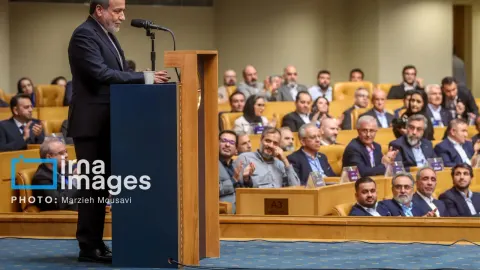
While the West moves toward a deal, Russia is playing a complex role in the background. Mikhail Ulyanov, Russia’s permanent representative in Vienna, has publicly pushed back against calls from Donald Trump and Benjamin Netanyahu to fully dismantle Iran’s nuclear infrastructure. Ulyanov’s rebuttal suggests that while Moscow supports a de-escalation that stabilizes the region, it remains protective of Iran’s technological sovereignty—a stance that could complicate the final "nailing down" of the peace treaty. This international tug-of-war is occurring just as the US legal landscape faces its own tremors; for instance, the Australian chain Guzman y Gomez is facing class-action lawsuits from US workers over abrupt store closures, illustrating a volatile domestic environment in the States that Trump must balance against his foreign policy ambitions.
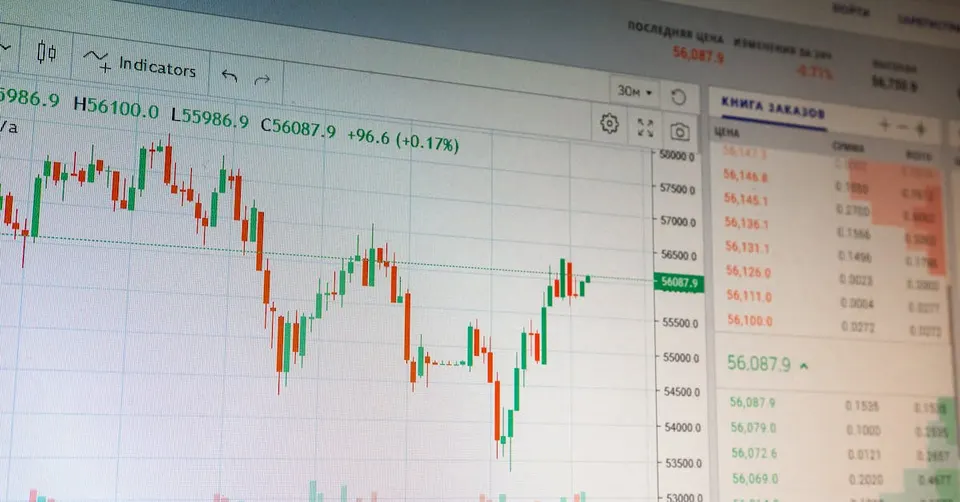
In Tehran, the local markets are showing a mix of caution and opportunistic buying. The USD/IRR rate remains steady at 174,100 Toman, but the Emami gold coin has surged by 1.6% to reach 188,000,000 Toman. This divergence suggests that while the currency is holding firm on news of the deal, local investors are still hedging into gold as they wait for the final signatures. The next few hours are critical; if the "solid" deal Rubio mentioned is signed, we could see a significant correction in the dollar rate as the market adjusts to a post-sanctions reality. For now, the city waits with bated breath, watching the tickers as much as the news headlines.
Frequently Asked Questions
What did Marco Rubio say about the Iran deal?
How has the Strait of Hormuz situation changed?
Why is the Emami coin price rising while the USD is stable?
What is Russia's position on the current negotiations?
The Strait of Hormuz: Why This Narrow Waterway Moves Global Oil Prices
The Strait of Hormuz, a 21‑mile-wide channel between Oman and Iran, is the world’s most critical oil chokepoint. Roughly 20% of daily global oil consumption—about 21 million barrels—passes through the strait each day, making any disruption a direct shock to supply and, consequently, to price. Because the waterway is so narrow, naval vessels can easily threaten or block traffic, turning geopolitical tension into a market risk premium that traders price into crude.
Historically, the strait has been a flashpoint. During the Iran‑Iraq War in the 1980s, Iran mined the waters and attacked tankers, causing a sharp spike in oil prices. More recently, in 2019 the United States threatened to close the strait in response to Iranian attacks on oil platforms, and the mere threat of a closure sent Brent crude above $80 per barrel. These episodes illustrate how the perceived probability of a shutdown is baked into futures contracts, creating a “geopolitical risk premium” that can add several dollars per barrel even when physical supply is unchanged.
When diplomatic breakthroughs occur—such as the 2026 US‑Iran agreement that led to the reopening of the strait—this risk premium collapses. Traders reassess the likelihood of disruption as low, and oil futures prices fall accordingly. The May 2026 slump in crude prices was largely attributed to the perception that the Hormuz bottleneck was no longer a looming threat, allowing markets to focus on fundamentals like global demand and OPEC production cuts rather than geopolitical uncertainty.
Understanding the Hormuz effect is essential for anyone following energy markets. It shows how a narrow geographic feature can amplify political events into global price swings, and why analysts watch diplomatic developments as closely as inventory data. The strait’s importance also underscores the strategic value of alternative routes—such as the Suez Canal or pipelines—to diversify supply risk.
For policymakers, the Hormuz case highlights the interplay between security and economics: maintaining free navigation not only supports regional stability but also helps keep energy costs predictable for consumers worldwide.
Topics
Related Articles