Singapore Warns of Iran War Fallout as GDP Surges; Gold Rises Amid 'Solid' Deal Hopes
هشدار سنگاپور درباره پیامدهای جنگ ایران همزمان با رشد اقتصادی؛ تداوم صعود طلا در آستانه توافق
Singapore reports a 6% GDP growth but issues a stark warning over Middle East instability, while markets eye a potential 'solid' Iran deal mentioned by Marco Rubio. Meanwhile, gold prices continue their upward trajectory in Tehran as the Emami coin gains 1.6%.
At time of publishing
USD
174,100
Toman
Gold 18K
19.20M
Toman / gram
Bitcoin
$77,147
US Dollar
Tether
173,889.687
Toman
Global Trade Hub Issues Stark Warning Over Iran Conflict
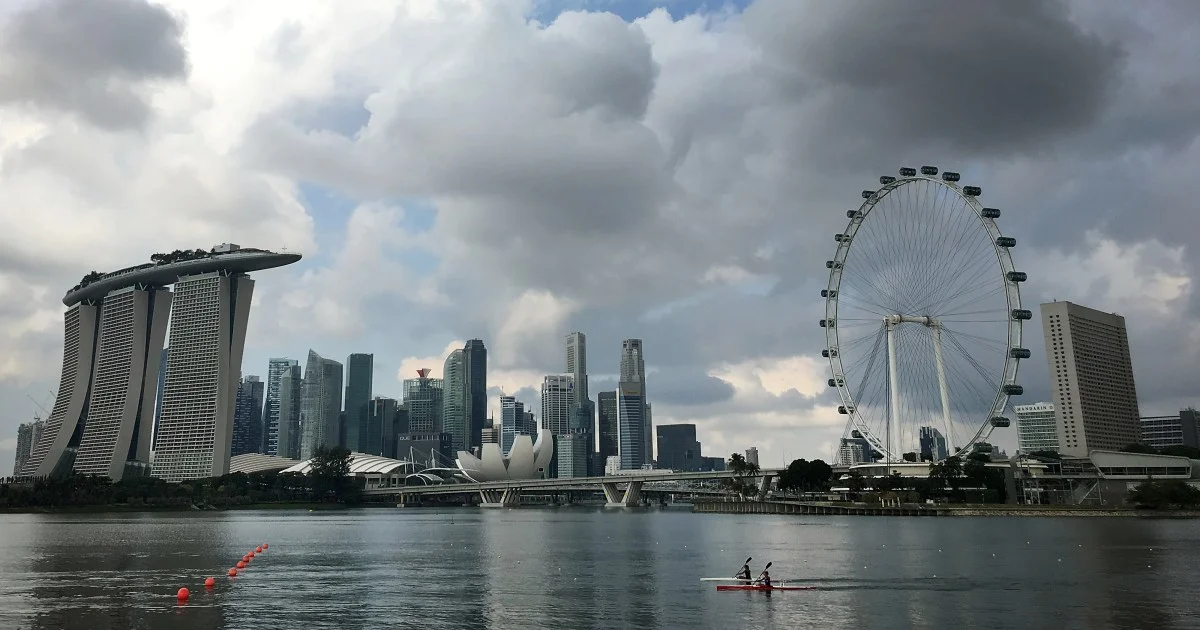
Singapore’s economy has significantly outperformed expectations in the first quarter of 2026, recording a year-on-year GDP growth of 6 percent. This surge has been primarily driven by the ongoing global boom in artificial intelligence and high-tech manufacturing, which has managed to outweigh the rising costs of energy. However, the celebration in the city-state is tempered by a sobering warning from the Singaporean government regarding the potential fallout from prolonged regional instability involving Iran. As a critical node in global shipping and finance, Singapore’s alert serves as a barometer for how international markets view the persistence of geopolitical risk in the Middle East.
For Iranian observers and those tracking the regional economy, this warning is a double-edged sword. While it highlights the resilience of global demand for tech, it also underscores that even the most stable global economies are pricing in the risk of a major supply chain disruption. The government in Singapore noted that while they have navigated the initial shocks, a failure to reach a lasting settlement in the Persian Gulf could eventually stifle the very growth they are currently seeing. This highlights why the current diplomatic maneuvers in Washington and Tehran are being watched with such intensity by trade partners as far away as Southeast Asia.
The 'Solid' Deal: Rubio Signals Imminent Breakthrough
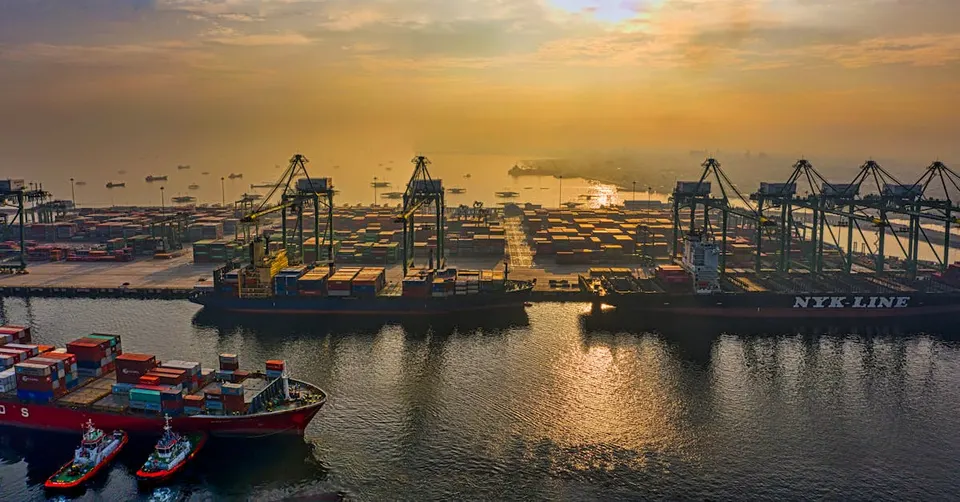
Geopolitical tensions saw a momentary shift in tone as reports surfaced that a "solid" deal regarding Iran could be reached as early as Monday. U.S. Senator Marco Rubio indicated that the framework under discussion involves a 60-day ceasefire extension, a move that would fundamentally alter the current maritime security landscape. The most significant component of this potential agreement is the reopening of the Strait of Hormuz, a development that has already sent ripples through the energy and crypto markets. Bitcoin has managed to hold its ground above the $77,000 mark, partly supported by the optimism that a de-escalation would stabilize global equity markets.
In Tehran, the reaction to these diplomatic signals has been one of cautious positioning. While the USD/IRR exchange rate remained flat at 174,100 Toman, the gold market showed more volatility and upward pressure. Gold 18k rose from 19,052,356 to 19,202,871 Toman (+0.8%), and the Emami coin surged by 1.6% to reach 188,000,000 Toman. This divergence suggests that while the currency market is waiting for official confirmation of the deal, domestic investors are still seeking the safety of gold as a hedge against the possibility that the "solid" deal might face last-minute hurdles or fail to address long-term inflationary pressures.
Global Economic Strains: From NHS Outsourcing to Fast Food Retreats
While the focus remains on high-level diplomacy, the broader global economy is showing signs of structural strain. In the United Kingdom, the National Health Service (NHS) has reportedly spent a record £241 million outsourcing diagnostic scan analysis to private firms, a symptom of severe staffing shortages and systemic underinvestment. This "ballooning" cost reflects a global trend where public sectors are struggling to keep pace with demand, forcing a reliance on expensive private alternatives. For the global reader, this serves as a reminder that even in developed economies, the cost of living and the cost of maintaining basic infrastructure are rising at an unsustainable rate.

Similarly, the corporate world is facing its own set of challenges as the post-pandemic expansion era meets the reality of 2026's economic climate. The Australian fast-food chain Guzman y Gomez is currently facing a class-action lawsuit in the United States after abruptly closing its Chicago stores. The legal action, filed by former employees, alleges that the company terminated staff without adequate notice or pay as it retreated from its ambitious U.S. expansion plans. These stories of public sector outsourcing and private sector retreats illustrate the fragmented nature of the current global recovery—where AI-driven sectors thrive while traditional services and labor-heavy industries struggle with the weight of high interest rates and shifting consumer behavior.
Sports Diplomacy: Iran’s Judo Success in North Africa
Away from the high-stakes world of finance and geopolitics, Iran’s national judo team has secured a significant psychological and diplomatic victory at the Africa Cup in Algeria. The team completed a "golden hat-trick," with all three of its competing athletes bagging gold medals. This performance is seen as a major boost for the country’s sports standing ahead of upcoming international competitions. In a time of heavy sanctions and political isolation, such achievements in international arenas provide a rare sense of normalcy and national pride, demonstrating the resilience of the country’s human capital despite the surrounding economic turmoil.
This success in Algeria also points to Iran’s continued effort to maintain and expand its cultural and athletic ties within the Global South. While the headlines are often dominated by the price of oil or the latest diplomatic cable, these regional engagements in Africa and elsewhere represent a different layer of Iranian foreign policy—one built on soft power and institutional participation. For the average Iranian citizen, these victories offer a momentary reprieve from the daily focus on the Toman's value or the price of gold, reinforcing the idea that the country remains a competitive force on the global stage in more ways than one.
Frequently Asked Questions
Why is Singapore warning about an Iran conflict despite its own economic growth?
What are the details of the 'solid' Iran deal mentioned by Marco Rubio?
Why did gold prices rise in Tehran while the USD remained stable?
How is the AI boom affecting global GDP in 2026?
The Strait of Hormuz: Global Energy's Vital Chokepoint and its Economic Ripple Effects
The Strait of Hormuz, a narrow waterway connecting the Persian Gulf to the open ocean, stands as one of the world's most critical geopolitical chokepoints. Roughly one-fifth of the world's total petroleum consumption, and a significant portion of its liquefied natural gas (LNG), transits through this 21-mile wide channel daily. Its strategic importance is immense, serving as the sole sea passage for oil exports from major producers like Saudi Arabia, Iran, the UAE, Kuwait, and Iraq. Any disruption to traffic in the Strait, whether due to military conflict, political tensions, or blockades, sends immediate shockwaves across global energy markets.
A closure or significant impediment to shipping in the Strait of Hormuz would trigger an unprecedented global energy crisis. Oil and gas prices would skyrocket, impacting everything from transportation costs and manufacturing to consumer prices worldwide. Such an event would not only fuel inflation but could also push many economies into recession, as businesses face higher input costs and consumers grapple with reduced purchasing power. The interconnectedness of the global economy means that the fallout would extend far beyond energy-producing nations, affecting supply chains, trade balances, and financial markets across the globe.
In times of such profound geopolitical instability and economic uncertainty, investors often seek refuge in "safe-haven assets." Gold, with its long history as a store of value, is a prime example. When traditional financial markets become volatile, and the stability of currencies or government bonds is questioned, gold tends to appreciate. Its appeal lies in its perceived intrinsic value and its role as a hedge against inflation and economic downturns. The prospect of conflict in a region as vital as the Persian Gulf, and the potential disruption to global energy supplies, invariably drives up demand for gold, reflecting its status as a reliable asset in turbulent times.
The ongoing geopolitical dynamics surrounding Iran and the broader Middle East underscore the Strait of Hormuz's critical role. Even the threat of conflict or disruption can cause market jitters, influencing oil prices and the valuation of safe-haven assets. Understanding this vital artery of global trade and its vulnerability is key to comprehending the potential for widespread economic fallout and the mechanisms by which global events impact everything from international trade to the price of your daily commute and the value of your investments.
Topics
Related Articles