London Clashes & Deal Doubts: USD Hits 176,000 as Iran Warns Peace is Not ‘Imminent’
درگیری مخالفان در لندن و تردید در توافق؛ دلار به ۱۷۶ هزار تومان رسید
Tensions flare among Iranian opposition groups in London while Tehran cools expectations of an immediate US deal. Domestic markets react with a 1.1% rise in USD and over 2% surge in gold coins as the risk premium returns.
At time of publishing
USD
176,000
Toman
Gold 18K
19.42M
Toman / gram
Bitcoin
$77,223
US Dollar
Tether
174,675
Toman
Opposition Fractures on the Streets of London
The ideological battle over Iran’s future has spilled onto the streets of London, specifically in the Golders Green neighborhood, where supporters of Reza Pahlavi and their detractors have engaged in visible confrontations. The scene was marked by the presence of cultural figures like the rapper Tony Mohraz, known as 021kid, who was seen wearing a blue Adidas hoodie and khaki shorts while engaging with crowds in front of a memorial wall. The clash highlights a deep-seated division within the Iranian diaspora, as those waving the lion and sun flag of the pre-1979 era face off against other opposition factions who remain wary of a return to monarchy.
This friction is not merely a local disturbance but a reflection of the broader political uncertainty regarding Iran's leadership transition and the lack of a unified front among those outside the country. For Iranians back home, these images serve as a reminder of the complex and often disorganized nature of the opposition, which many analysts believe strengthens the current regime's hand. The inability of these groups to find common ground, even in symbolic spaces like London, suggests that any political alternative to the status quo remains fragmented and far from achieving a cohesive strategy.
Market Jitters as Tehran Cools 'Imminent' Deal Hopes
Despite recent optimism regarding a potential breakthrough in US-Iran relations, the Iranian Foreign Ministry has officially tempered expectations, stating that while progress has been made, a final deal is not "imminent." This statement comes at a critical juncture where a 60-day ceasefire extension and the reopening of the Strait of Hormuz were rumored to be on the table. The spokesperson emphasized a lack of trust in Washington, citing the absence of "guarantees" that any future administration would honor the agreement. This cautious stance has immediately resonated in the domestic markets, signaling that the "peace dividend" may be premature.
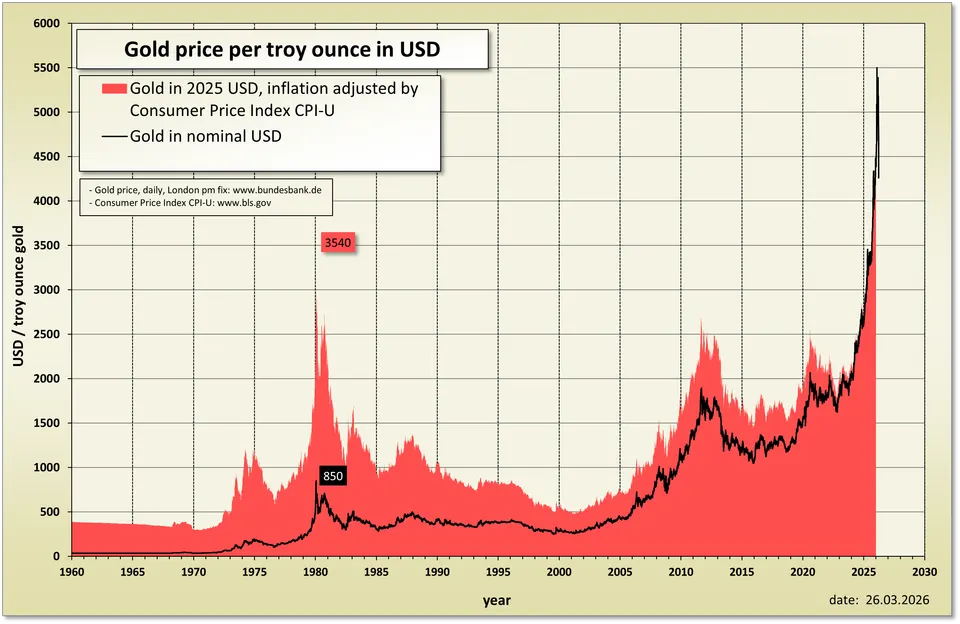
In the last 24 hours, the Iranian Toman felt the weight of this uncertainty. The USD/IRR exchange rate moved from 174,100 to 176,000, marking a 1.1% depreciation. The gold market saw even sharper movements; 18k gold rose from 19,052,356 to 19,418,486 Toman per gram (+1.9%), while the Emami coin jumped from 185,000,000 to 189,000,000 Toman (+2.2%). These price actions suggest that investors are hedging against a potential breakdown in talks, especially as US Senator Chris Van Hollen continues to criticize past "blunders" in Iran policy, adding to the sense of political volatility.
Global Energy Crisis Hits Consumers in India
The ripple effects of the ongoing Middle East tensions and the previous closure of the Strait of Hormuz are manifesting in severe economic pain for global consumers, most notably in India. State-owned energy giants, including Indian Oil Corp and Bharat Petroleum, have raised pump prices for the fourth time in just one month. Diesel prices have surged by 8.6% and gasoline by 7.8% since the start of May. This cumulative hike is a direct consequence of the supply chain disruptions that have plagued the region, proving that even as talks of reopening the Strait circulate, the logistical and financial damage is already embedded in the global economy.
For the Iranian reader, this serves as a double-edged sword. While higher global fuel prices theoretically increase the value of energy exports, the regional instability that drives these prices also brings sanctions and banking hurdles that prevent Iran from fully capitalizing on the boom. Furthermore, the inflationary pressure seen in India is a mirror of the global trend where energy costs drive up the price of all imported goods, including those that find their way into the Iranian market through various trade routes. The "oil crisis" is no longer a localized threat but a persistent drag on global recovery.
Climate Extremes and Infrastructure Vulnerability
While geopolitics dominates the headlines, the physical world is presenting its own set of challenges that threaten economic stability. New York City recently experienced devastating flash floods, with parts of Brooklyn and Queens receiving 2 inches of rain in just 20 minutes. This deluge overwhelmed an aging sewer system designed for far less intense weather, causing massive disruptions to subway services and major expressways like the Long Island Expressway. Simultaneously, Europe is bracing for a "heat dome" with record-breaking temperatures in France, highlighting a global pattern of extreme weather that is increasingly impacting urban infrastructure and productivity.
These events are significant for markets because they represent "unpriced risks" to global supply chains and insurance sectors. When a major financial hub like New York or a production center in Europe is paralyzed by weather, the resulting delays affect everything from tech shipping to commodity futures. As the world remains focused on the US-Iran deal, these environmental shocks serve as a reminder that the global economy is fighting a war on two fronts: one against political instability and another against a rapidly changing climate that the current infrastructure is simply not built to handle.
Frequently Asked Questions
Why did the price of USD and Gold increase in Iran today?
What caused the clashes among Iranians in London?
How is the Strait of Hormuz situation affecting India?
The Ripple Effect: Geopolitical Risk and Currency Depreciation
Geopolitical risk refers to the uncertainty and potential instability arising from political events, conflicts, or tensions between nations. These risks, such as diplomatic disputes, trade wars, or regional conflicts, cast a long shadow over global markets, profoundly influencing economic indicators like currency exchange rates. When geopolitical tensions escalate, investors and businesses often become wary, leading to a re-evaluation of a country's economic stability and future prospects.
The primary mechanism through which geopolitical risk impacts currency value is a loss of confidence. Increased uncertainty can trigger capital flight, where domestic and foreign investors move their assets out of the perceived risky country and into more stable economies or 'safe-haven' currencies, most notably the U.S. Dollar. This outflow of capital reduces the demand for the local currency and increases its supply on international markets, inevitably leading to its depreciation against stronger, more stable currencies. Furthermore, heightened risk can deter foreign direct investment and disrupt trade, further weakening the economic fundamentals that underpin a currency's strength.
A compelling example of this phenomenon is the Iranian Rial (IRR). Decades of geopolitical tensions, international sanctions, and domestic political uncertainty have consistently undermined the Rial's value against the U.S. Dollar. The headline's mention of the USD hitting 176,000 IRR (a hypothetical future value, but illustrating a trend) directly reflects this ongoing depreciation. Events like "Iran US peace deal doubts" or "Strait of Hormuz oil impact" are significant geopolitical flashpoints that exacerbate this risk, leading to further erosion of confidence and accelerated currency decline.
For ordinary citizens, a depreciating currency means a significant loss of purchasing power. Imported goods become more expensive, fueling inflation and eroding savings. For governments, it complicates economic planning, debt management, and efforts to attract foreign investment. Understanding this intricate link between geopolitical events and currency stability is crucial for comprehending global economic dynamics and the real-world consequences of international relations.
Topics
Related Articles