US-Iran Peace Talks Advance Amidst Republican Scrutiny, Oil Prices Dip
پیشرفت مذاکرات صلح آمریکا و ایران در بحبوحه بررسیهای جمهوریخواهان؛ قیمت نفت کاهش یافت
The United States and Iran appear to be moving closer to a peace deal to end their protracted conflict, with President Trump defending the potential agreement against criticism from within his own party. Meanwhile, European markets reacted to the news, with oil prices seeing a notable dip as speculation mounts about a de-escalation in the Middle East.
At time of publishing
USD
176,200
Toman
Gold 18K
19.50M
Toman / gram
Bitcoin
$77,444
US Dollar
Tether
175,173
Toman
US-Iran Peace Deal Edges Closer Amidst GOP Criticism
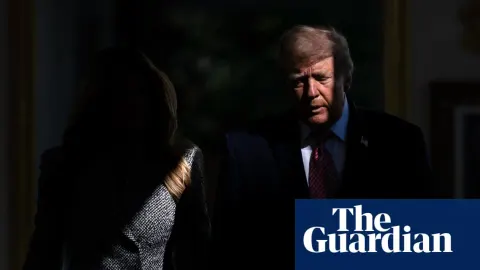
President Donald Trump is reportedly navigating increasing criticism from within the Republican party as the United States and Iran inch closer to a potential peace agreement to end their ongoing conflict. While Trump has publicly stated that any deal would be "great and meaningful," foreign policy hawks within the GOP have voiced strong opposition, raising concerns about the terms and implications of such an accord. This internal party division highlights the delicate balancing act the administration faces in pursuing de-escalation.
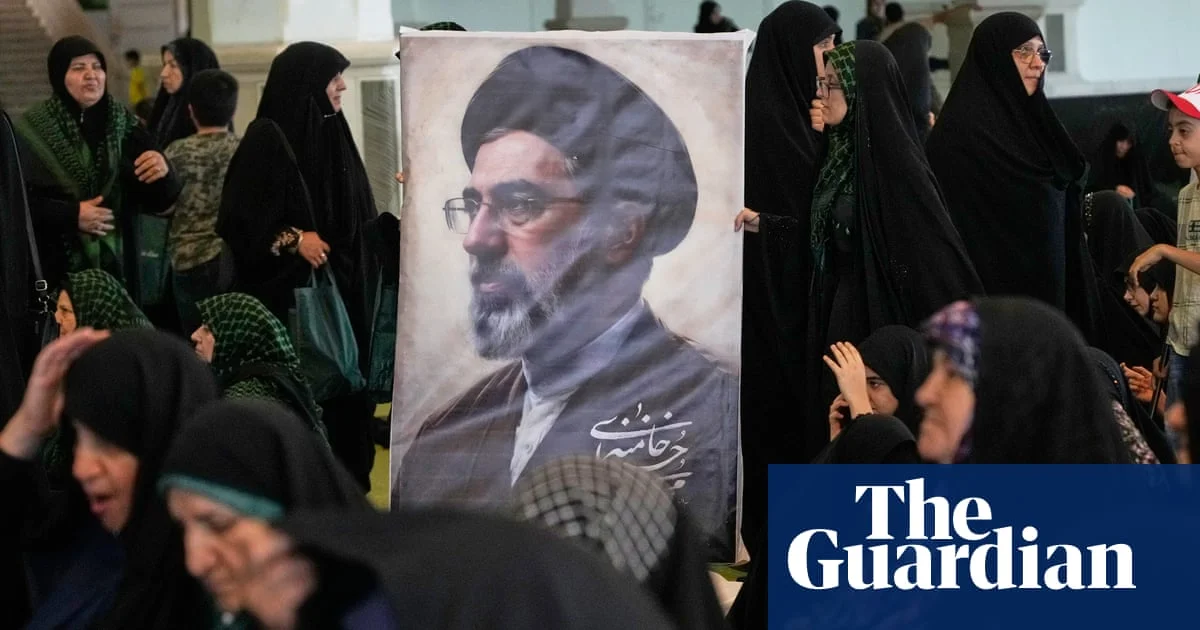
Iranian officials, while acknowledging progress in discussions, have cautioned against premature declarations of an imminent agreement. Esmail Baghaei, a spokesperson for Iran's foreign ministry, stated that while a "large portion of the issues under discussion" have been resolved, declaring an agreement "imminent" would be inaccurate. Similarly, Ebrahim Rezaei, a member of the Iranian parliament's national security commission, emphasized a tit-for-tat approach in diplomatic negotiations, warning that "time is working against the US" and that Iran does not respond to threats. This measured response from Tehran suggests a strategic approach to the negotiations, aiming to secure favorable terms without succumbing to external pressure.

Market Reaction: Oil Prices Fall, Toman Holds Steady
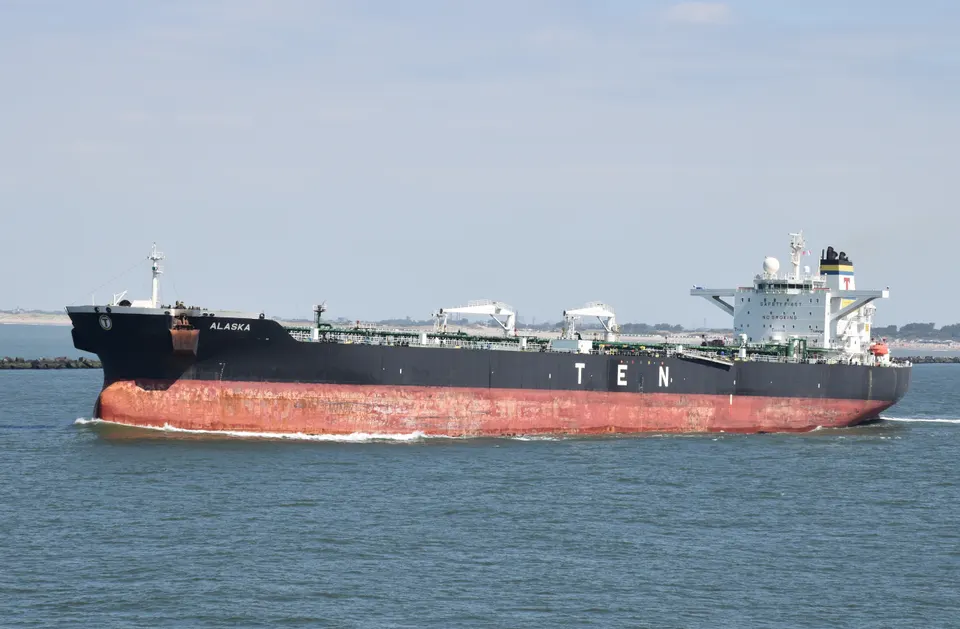
Global oil prices experienced a notable decline as news of the potential US-Iran peace deal gained traction. Brent Crude slipped below the $100 per barrel mark, reflecting market sentiment that a de-escalation in the Middle East could lead to increased stability and potentially higher supply. This price movement underscores the significant impact geopolitical developments in the region have on energy markets worldwide. The decrease, while significant, was reportedly contained to around 3-4% in early European trading, indicating that while optimism is present, the market remains cautious.
In Iran, the national currency, the Toman, showed resilience despite the broader market fluctuations. The USD sell rate moved from 174,100 to 176,200 Toman, marking a 1.2% increase. However, the overall stability of the Toman in the face of significant geopolitical news suggests a degree of market confidence, possibly linked to expectations of reduced regional tensions and their potential impact on economic activity and sanctions. Gold prices also saw a modest rise, with 18k gold per gram increasing by 2.3% to 19,498,822 Toman, and Emami coins rising 1.1% to 187,000,000 Toman, indicating a continued demand for safe-haven assets amidst ongoing global uncertainties.
Broader Geopolitical Ripples and Tech's AI Debate
Beyond the immediate US-Iran developments, the global stage remains active. In the Philippines, a tragic building collapse in Manila has resulted in fatalities and numerous missing persons, highlighting ongoing concerns about construction safety standards. Meanwhile, Pope Leo has issued a significant encyclical, a lengthy papal document, warning about the potential risks associated with artificial intelligence. This intervention by a major global religious figure injects a moral and ethical dimension into the burgeoning AI debate, urging caution and responsible development.
In a more unusual development, a retweet by tech mogul Elon Musk has been interpreted as signaling a potential split within the right-wing political landscape in Britain, with implications for upcoming local elections. While seemingly a minor digital interaction, it underscores Musk's outsized influence on public discourse and political currents. These varied global events, from tragic accidents to high-level religious warnings and digital political commentary, paint a complex picture of the world stage, where geopolitical stability, technological advancement, and societal issues are all in constant flux.
Watch
Oil prices ease on renewed hopes of US-Iran peace deal • FRANCE 24 English
FRANCE 24 English
Frequently Asked Questions
What is the latest status of the US-Iran peace negotiations?
How have global oil prices reacted to the potential US-Iran deal?
What is the current trend for the Iranian Toman against the US Dollar?
What other significant global news was reported?
How is the gold market performing in Iran?
Understanding the Oil Market's Geopolitical "Risk Premium"
When headlines like "US-Iran Peace Talks Advance, Oil Prices Dip" emerge, it highlights a crucial concept in commodity markets: the geopolitical "risk premium." This term refers to the additional cost built into the price of a commodity, particularly oil, due to perceived political instability or potential supply disruptions in key producing regions. Essentially, it's an insurance policy against the unknown, a buffer that traders and investors add to the base price to account for the possibility of future events, such as conflicts, sanctions, or political upheavals, that could restrict supply.
The Middle East, being a cornerstone of global oil production, is particularly susceptible to this phenomenon. Tensions between major players like the U.S. and Iran, or broader regional crises, introduce significant uncertainty into the global oil supply chain. Markets react by factoring in the possibility of an oil embargo, attacks on shipping lanes, or disruptions to production facilities. This speculative pricing means that even if actual supply isn't immediately affected, the fear of future disruption drives prices higher, creating this risk premium.
Conversely, when there are signs of de-escalation or progress in peace talks, as indicated by the headline, the perceived risk of supply disruption diminishes. A potential US-Iran peace deal, for instance, could lead to a more stable geopolitical environment in the Persian Gulf, potentially easing sanctions on Iranian oil exports and increasing global supply. As the likelihood of conflict or supply shocks decreases, the need for that "insurance policy"—the risk premium—also lessens. Traders then begin to unwind these speculative positions, leading to a downward adjustment in oil prices.
Understanding the risk premium is vital for anyone tracking global economics, energy markets, or international relations. It illustrates how deeply intertwined geopolitics and commodity prices are, affecting everything from gasoline prices at the pump to the fiscal health of oil-exporting nations and the stability of the global economy. It's a testament to the market's forward-looking nature, constantly attempting to price in potential future events based on current political signals.
Topics
Related Articles